The Algorithm's Gift: How Britain Outsourced Its Personal Taste to a Monthly Parcel
The Doorstep Oracle
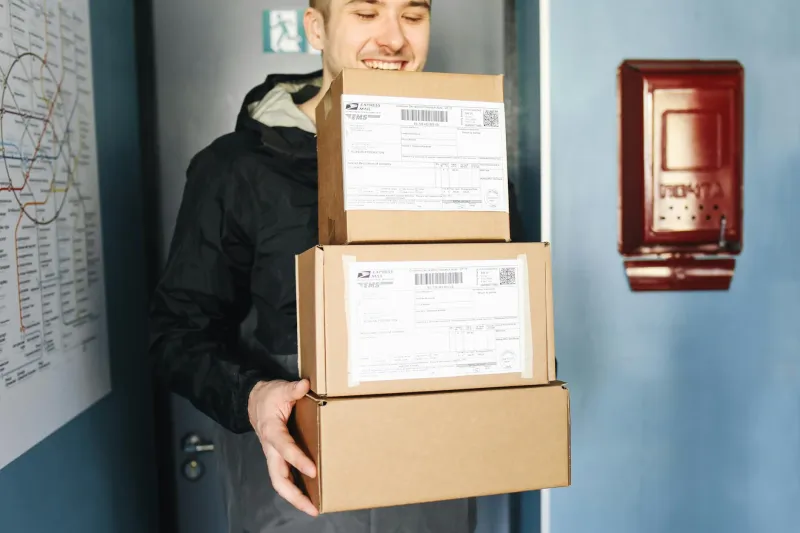
Every month, millions of Britons experience the same peculiar ritual: the arrival of a cardboard oracle that promises to reveal who they truly are. Inside these carefully branded boxes lie the assembled fragments of a curated self — perhaps some small-batch gin, a novel by an author they've never heard of, and a candle that supposedly captures the essence of 'Nordic hygge'. For £29.99, someone else has decided what will bring them joy.
The subscription box industry has exploded across Britain with the quiet efficiency of Japanese knotweed. From Graze's algorithmic snacking to Liberty London's monthly style interventions, we've created an entire economy built on the premise that personal taste is too important to be left to individuals. The promise is seductive: professional curators will sift through the overwhelming marketplace of modern life and deliver only what matters, wrapped in tissue paper and accompanied by explanatory cards that tell you why you should be delighted.
 Photo: Liberty London, via yorkavenueblog.com
The Outsourcing of Instinct
This represents something more profound than mere convenience culture. We're witnessing the industrialisation of serendipity, the mass production of spontaneity. Where once discovering a new wine involved wandering into an independent merchant and trusting your nose, now it arrives pre-selected by data scientists who've analysed your previous purchases, postcode, and purchasing power.
The British relationship with consumption has always been fraught with class anxiety. We're a nation that simultaneously celebrates eccentricity whilst policing taste with ruthless precision. The subscription box offers a solution to this cultural neurosis: outsource the responsibility for your preferences to someone with better credentials. If the selection disappoints, blame the algorithm. If it delights, credit your sophisticated taste in curators.
Consider the phenomenon of literary subscription services. Companies like Goldsboro Books promise to deliver signed first editions of novels you'll supposedly love, based on a brief questionnaire about your reading preferences. Subscribers pay premium prices for books they might have discovered themselves in any decent bookshop, but the curation fee transforms browsing from a democratic pleasure into an exclusive service. You're not just buying books; you're buying membership in a club of people whose taste is worth monetising.
 Photo: Goldsboro Books, via goldsborobooks.com
The Paradox of Personalised Mass Production
The cruel irony is that these supposedly bespoke services operate through industrial-scale personalisation. Your unique box of artisan treats was selected by the same algorithm that chose thousands of others, differentiated only by variables in a database. The 'personal shopper' is a spreadsheet. The 'curator' is a supply chain optimisation system designed to shift inventory whilst maintaining the illusion of individual attention.
Yet subscribers actively collude in this fiction. Social media feeds fill with carefully staged 'unboxing' videos, where the performance of surprise becomes part of the product's value proposition. The subscription box has created its own grammar of artificial spontaneity, complete with branded hashtags and influencer partnerships. Receiving your monthly selection becomes an opportunity to perform your curated self for an audience that's performing theirs right back.
The Guilt Economy
Perhaps most tellingly, the subscription box industry thrives on a peculiarly British form of guilt. We feel guilty about our impulse purchases, our lack of sophistication, our inability to navigate the overwhelming choices of contemporary consumer culture. The monthly box offers absolution: someone qualified has made these choices for you. If you don't use the artisanal beard oil or read the literary fiction, the fault lies not with your taste but with their algorithm.
This guilt extends to the act of subscription itself. Many subscribers admit to feeling trapped by services they've forgotten to cancel, accumulating unwanted products whilst lacking the social confidence to admit that their curated lifestyle doesn't actually suit them. The subscription model exploits our optimistic future selves — the person who will definitely appreciate that experimental cheese, read that challenging poetry, or find time for that elaborate skincare routine.
The Democratic Deficit
What we're witnessing is the privatisation of taste-making institutions that once operated as genuine public goods. Independent bookshops, wine merchants, and specialty retailers didn't just sell products; they fostered communities of shared discovery. The knowledgeable shopkeeper who remembered your preferences and could suggest something adventurous represented a form of cultural democracy — expertise offered freely, relationships built through repeated interaction.
Subscription boxes simulate this relationship whilst eliminating its essential element: reciprocity. The algorithm knows your purchase history, but you'll never know its other recommendations. The curator understands your demographic profile, but you'll never meet them in person. We've gained efficiency and lost the possibility of genuine surprise — the kind that emerges from human connection rather than data analysis.
The subscription box promises to solve the problem of choice paralysis by eliminating choice altogether. But in doing so, it reveals something troubling about our relationship with our own preferences. We've become so uncertain about what we actually like that we're willing to pay someone else to like things for us. The cardboard oracle arrives monthly, but it's reading from a script we helped write through our digital footprints.
In the end, perhaps the subscription box industry's greatest achievement isn't delivering products we love, but convincing us that love itself can be outsourced for the price of a decent dinner. The British consumer, once celebrated for bloody-minded individualism, now queues politely for algorithmically determined joy, delivered to the door with a satisfaction guarantee.