The Last Rites of Ritual
Every Saturday morning for thirty-seven years, Frank Morrison walked the same route from his Coventry council flat to Ladbrokes on Hertford Street. Not for the flutter—though he'd have a modest each-way bet on the 2:30 at Kempton—but for something harder to quantify: the companionship of strangers united by hope, mathematics, and the peculiar democracy of chance.
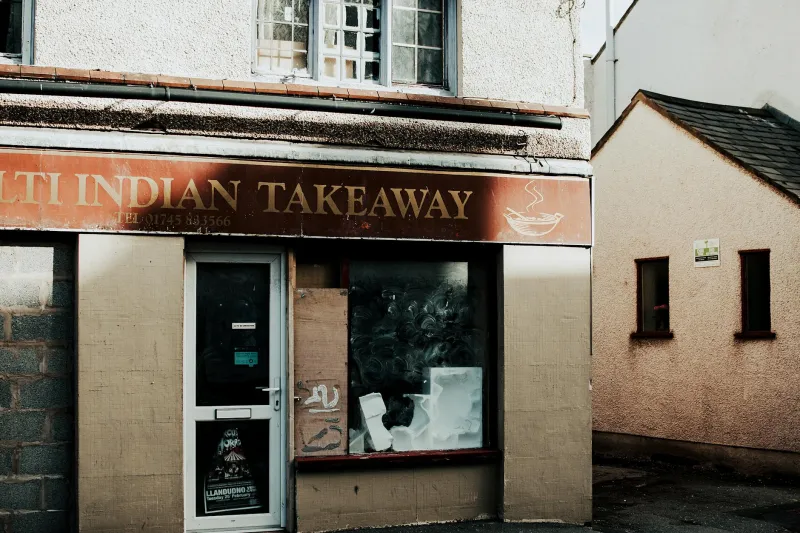
Morrison's ritual ended last autumn when the shop closed, victim to online migration and regulatory pressure. The unit now houses an artisan bakery whose sourdough costs more than Frank's typical weekly stake. "It's not about the gambling," he insists, though he struggles to articulate what it actually was about. "It was... somewhere to go."
The Sociology of Small Stakes
To understand what Britain loses when betting shops disappear, we must look beyond the obvious narratives of addiction and exploitation—though these remain valid concerns. These establishments served a function that their critics rarely acknowledged: they were among the few genuinely cross-class social spaces on the British high street.
In Morrison's former haunt, retired factory workers shared tips with university students, unemployed men debated form with visiting businessmen, and elderly women studied racing papers alongside young fathers killing time between school runs. The £2 minimum bet created a low barrier to entry that welcomed participation regardless of economic status.
Dr Angela Thompson, who studied betting shop culture for her sociology doctorate at Manchester University, argues that "these spaces operated as informal men's clubs for people who couldn't access traditional institutions. They provided structure, routine, and social contact for men who might otherwise be isolated."
The Theatre of Uncertainty
The betting shop's appeal wasn't primarily financial—most punters understood they were paying for entertainment rather than investment opportunity. Instead, these venues offered something more valuable: the theatrical experience of uncertainty resolved.
Watch a betting shop during a major race and you'll witness pure human drama. The nervous energy before the off, the collective intake of breath as horses round the final turn, the brief moment when everyone's fate hangs in balance. Win or lose, participants had shared something immediate and authentic—increasingly rare in Britain's digital age.
This ritualistic aspect distinguished betting shops from online gambling, which lacks communal dimension. Placing bets through smartphone apps provides none of the social scaffolding that made physical venues meaningful to their regulars.
Imperfect but Irreplaceable
None of this is to romanticise institutions that undoubtedly caused harm. Problem gambling destroyed lives and families, whilst the industry's targeting of vulnerable communities deserves continued scrutiny. Yet the binary thinking that frames betting shops as purely exploitative misses their complex social function.
Consider what has replaced them on British high streets: chain coffee shops that discourage lingering, boutique retailers with intimidating price points, or empty units awaiting development. None offer the egalitarian accessibility of the betting shop, where a pensioner's £1 accumulator carried equal weight to anyone else's more substantial stake.
The Gentrification of Vice
The betting shop's decline reflects broader changes in how Britain organises its vices. Traditional working-class institutions—pubs, working men's clubs, betting shops—face pressure from both regulation and gentrification, whilst middle-class equivalents flourish. Wine bars replace boozers, private members' clubs supplant social clubs, and online poker substitutes for high street bookmakers.
This isn't progress so much as displacement. The impulses these institutions served—socialisation, risk-taking, communal ritual—haven't disappeared. They've simply moved to spaces that are less visible, less regulated, and often less accessible to those who most need social connection.
The Digital Displacement
Online betting platforms promise convenience and privacy, but they've stripped gambling of its social dimensions. The solitary nature of app-based betting eliminates the informal support networks that existed in physical venues—the regular who might suggest someone was chasing losses, the community that noticed when familiar faces disappeared.
Paradoxically, this privatisation of gambling may have increased rather than reduced its harmful potential. The betting shop's public nature provided natural checks on excessive behaviour, whilst digital platforms operate in isolation, beyond community observation or intervention.
What Fills the Void?
As betting shops vanish from British high streets, what replaces their social function? Coffee shops require purchase to justify presence. Libraries face their own closure pressures. Community centres operate limited hours with specific programming. The informal, always-open nature of betting shops made them unique in the ecosystem of public space.
For men like Frank Morrison, the closure represents more than inconvenience—it's another severing of social connection in an increasingly atomised society. "Where do I go now?" he asks, and the question resonates beyond individual circumstance to touch something fundamental about community and belonging.
The Complicated Legacy
Britain's betting shops were imperfect institutions serving imperfect people in imperfect ways. They provided social connection alongside social harm, community alongside exploitation. Their disappearance may ultimately benefit public health, but it also eliminates one of the few remaining spaces where Britain's class distinctions temporarily dissolved in shared experience.
Perhaps the lesson isn't to mourn betting shops specifically, but to recognise what they provided and ensure those functions are fulfilled elsewhere. Britain needs spaces where strangers can gather without purchasing power determining access, where routine provides structure, where the democracy of chance reminds us of our shared vulnerability.
The betting shop's quiet death reveals uncomfortable truths about how we organise social life in modern Britain. When we eliminate institutions without replacing their social function, we don't solve problems—we simply scatter them beyond public view, leaving individuals to cope privately with needs that were once met collectively, however imperfectly.