The Tide That Forgot to Come In: Notes from Britain's Most Honest Landscape
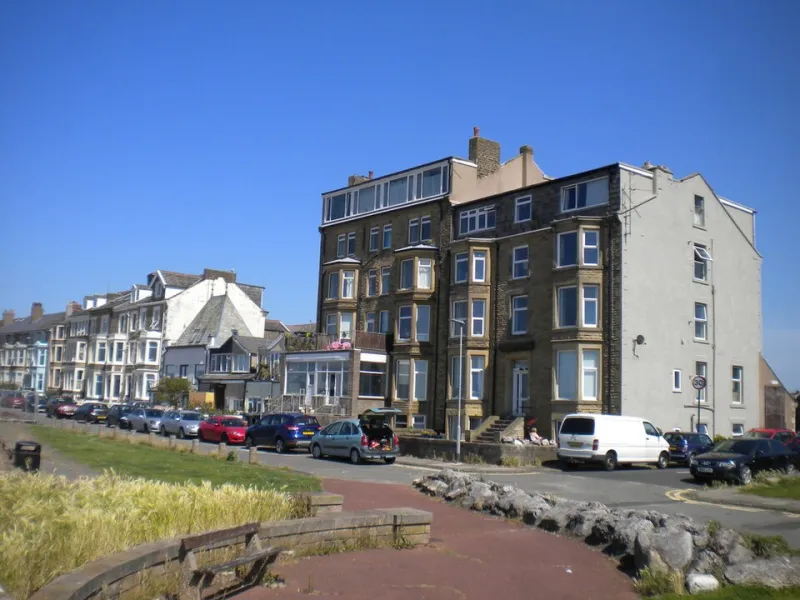
Photo: Richard Vince , CC BY-SA 2.0, via Wikimedia Commons
Stand on the promenade at, say, Morecambe or Skegness on a Tuesday in October and you are standing in someone else's future — specifically, the future imagined around 1972, when package holidays abroad had not yet finished their work and every town with a beach believed the good times were a permanent condition. The amusement arcades, the wind-blasted chip shops, the paint peeling off the shelter in exact degrees of dignity: this is not decay. This is a promise that was made and then, somewhere around 1978, quietly rescinded.
Decline Without Apology
Every other British landscape is required to justify itself. The countryside must be productive or beautiful; the city must be growing or regenerating. The seaside alone is permitted to simply be — to exist in a state of magnificent, unembarrassed contradiction. Where else in Britain can you find, within fifty yards, a family eating 99s in the drizzle, a shuttered bingo hall, and a man in a swimsuit reading a newspaper against all meteorological advice, none of them apologising for anything?
This is why I have come to think of the coast as our most honest landscape. It does not curate itself. It does not pretend to be improving. It admits, openly, that pleasure and dereliction can share a postcode, that joy does not require infrastructure to be in good repair. The inland eye reads the shuttered fish restaurant as failure. The coast reads it as weather.
The Margate Question
Which brings us to the awkward matter of regeneration. Margate — and Whitstable, and Folkestone, and a dozen others — have been 'saved', in the way we now use that word, by galleries, by sourdough, by the arrival of people who describe themselves as 'pioneering' a town their new neighbours have lived in for forty years. The Old Kentish money finds a defunct promenade and sees what estate agents call potential.
Something real is gained: jobs, footfall, a reason for the train to stop. But something specific is lost, and we do not have a vocabulary for it. The unregenerated seaside was one of the last places in Britain where a person could be poor in public without being redesigned around. The arcades did not ask for your disposable income to be disposable. The chip shop did not need you to be the kind of person who eats chips ironically. Regeneration, for all its genuine good, tends to replace this with a coast that is lovely, legible and — crucially — priced.
Against the Museum of Us
The paradox of the British seaside is that preserving it as it is means preserving decline, and 'fixing' it means demolishing the very thing that made it honest. There is no clean answer. But perhaps the least we owe these towns is to name what is being traded away: a landscape where the future already arrived, failed to show up, and nobody minded — because the sea, at least, kept its appointments.