The Charity Shop Chic Delusion: How Britain's Second-Hand Obsession Became the Ultimate Middle-Class Performance
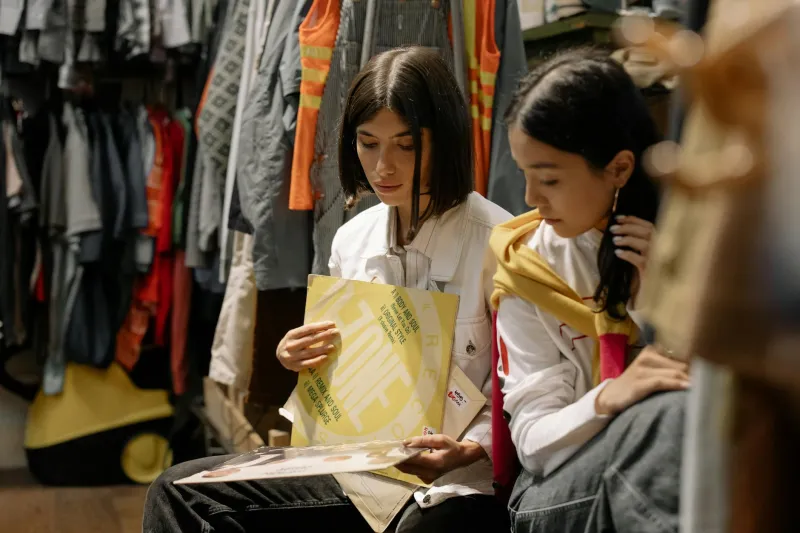
Walk through any British high street today, and you'll witness a curious inversion of traditional retail hierarchies. The charity shops once relegated to the periphery now draw queues of twenty-somethings clutching reusable coffee cups, whilst the gleaming chain stores stand increasingly empty. On social media, "charity shop hauls" garner millions of views, with influencers breathlessly documenting their £3 vintage finds as if they'd discovered buried treasure rather than someone else's discarded wardrobe.
This isn't merely about thrift—it's about the performance of thrift, wrapped in the comfortable rhetoric of environmental consciousness and anti-consumerist virtue. But scratch beneath the surface of Britain's second-hand revolution, and a more complex picture emerges: one that reveals as much about our class anxieties and consumption patterns as it does about our genuine environmental concerns.
The Numbers Game
The statistics certainly support the narrative of transformation. The second-hand clothing market in the UK has grown by 140% since 2019, now worth over £2.3 billion annually. Vinted, the Lithuanian-founded platform that has become synonymous with British second-hand culture, processed over £500 million in transactions in the UK alone last year. Meanwhile, traditional fast fashion retailers report declining footfall and revenue.
Yet these figures mask a crucial distinction between necessity-driven second-hand shopping—the domain of those genuinely seeking affordability—and what might be termed "aspirational thrifting," where the hunt for vintage treasures becomes a leisure activity for those with both time and disposable income to spare.
The Gentrification of Charity
Perhaps nowhere is this distinction more evident than in the transformation of charity shop culture itself. The traditional charity shop customer—often elderly, working-class, genuinely price-conscious—increasingly finds themselves competing with university students and young professionals for whom "thrifting" represents both a hobby and a statement of environmental virtue.
This demographic shift has profound implications. Charity shops in affluent areas now routinely price items at levels that would have been unthinkable a decade ago. A vintage band t-shirt that might once have sold for £2 now commands £15 or more, whilst "curated vintage" sections offer pre-selected items at premium prices that often exceed those of new alternatives.
The irony is palpable: in seeking to democratise fashion through second-hand shopping, we've inadvertently created new forms of exclusion. The genuinely disadvantaged—the traditional beneficiaries of charity shop affordability—find themselves priced out by the very people claiming to challenge consumer capitalism.
Digital Darwinism
The rise of platforms like Depop, Vinted, and Facebook Marketplace has further complicated the second-hand ecosystem. What began as peer-to-peer selling has evolved into sophisticated micro-businesses, with some sellers generating substantial incomes from what they euphemistically term "curating" second-hand fashion.
The language itself is revealing. Items aren't simply "used" or "second-hand"—they're "pre-loved," "vintage," or "sustainable." Sellers don't profit from arbitrage; they provide "curation services." This linguistic sanitisation reflects a deeper discomfort with the reality of what's occurring: the commodification of charity and the transformation of necessity into lifestyle choice.
Moreover, the environmental claims underpinning much second-hand evangelism deserve scrutiny. Whilst extending the lifespan of existing garments is undoubtedly preferable to manufacturing new ones, the current model often simply adds layers to consumption rather than replacing it. Many second-hand enthusiasts continue purchasing new items whilst simultaneously selling others, creating a constant churn that resembles fast fashion's disposal patterns, albeit with a veneer of environmental responsibility.
The Class Performance
The most fascinating aspect of Britain's second-hand obsession lies in its function as class signalling. In an era where overt displays of wealth have become increasingly gauche, the ability to source desirable items through "thrifting" demonstrates both cultural capital—the knowledge of what to look for—and time privilege—the luxury of browsing charity shops and car boot sales.
This phenomenon is particularly pronounced among Britain's educated middle classes, for whom second-hand shopping offers a way to maintain consumption levels whilst performing anti-materialist values. The Instagram post showcasing a £5 vintage blazer serves multiple functions: it demonstrates thrift, environmental consciousness, and superior taste, all whilst maintaining the consumption patterns that define contemporary lifestyle culture.
The Sustainability Smokescreen
The environmental arguments supporting second-hand shopping, whilst not entirely without merit, often serve to obscure more complex realities. The carbon footprint of a charity shop purchase may indeed be lower than buying new, but only if it genuinely replaces rather than supplements new purchases. For many practitioners of "sustainable fashion," second-hand shopping becomes an additional consumption category rather than a substitute.
Furthermore, the focus on individual consumer choices deflects attention from systemic issues within the fashion industry. Whilst charity shop browsing might assuage personal guilt about environmental impact, it does little to address the fundamental problems of overproduction, planned obsolescence, and exploitative labour practices that define contemporary garment manufacturing.
Regional Realities
The geography of second-hand culture reveals additional complexities. Charity shops in affluent areas of London, Bath, or Edinburgh offer dramatically different inventories than those in post-industrial towns or rural communities. The "thrift finds" celebrated on social media—designer labels, vintage pieces, barely-worn contemporary items—reflect the donation patterns of wealthy communities rather than representative samples of available second-hand goods.
This geographic inequality extends to digital platforms, where sellers in fashionable postcodes can command premium prices for items that might languish unsold if listed from less desirable locations. The postcode lottery that defines so many aspects of British life extends even to our second-hand marketplaces.
The Future of Thrift
As second-hand shopping moves further into the mainstream, its character inevitably shifts. What began as a grassroots response to fast fashion's environmental and ethical problems increasingly resembles the consumer culture it purports to challenge. The commodification of sustainability—where environmental virtue becomes another lifestyle product to be consumed and displayed—represents perhaps the ultimate triumph of capitalist logic over genuine systemic change.
The question facing Britain's second-hand enthusiasts isn't whether their individual choices make environmental sense—though that's debatable—but whether their collective behaviour represents genuine transformation or merely the latest iteration of consumption culture, dressed in the comforting rhetoric of sustainability.
In our enthusiasm for charity shop chic and vintage virtue-signalling, we may have created something more insidious than fast fashion: a system that allows us to consume with clear consciences whilst remaining fundamentally unchanged in our relationship to material goods. The true measure of our second-hand revolution won't be found in the growth statistics or social media engagement, but in whether it ultimately reduces or simply redirects our appetite for acquisition.
Until then, the charity shops will continue to thrive, serving simultaneously as repositories of genuine need and theatres of middle-class performance—a contradiction that may well define our era's approach to consumption, sustainability, and class.