
The Business of Being Sorry
In the British Museum's Egyptian gallery, a small placard now accompanies the Rosetta Stone. It doesn't quite apologise for the circumstances of the artefact's acquisition, but it acknowledges 'different perspectives' on its presence in Bloomsbury rather than Cairo. The language is careful, calibrated, and utterly characteristic of Britain's new approach to its imperial legacy: sorry, not sorry, but certainly willing to sell you a tote bag featuring culturally sensitive messaging.
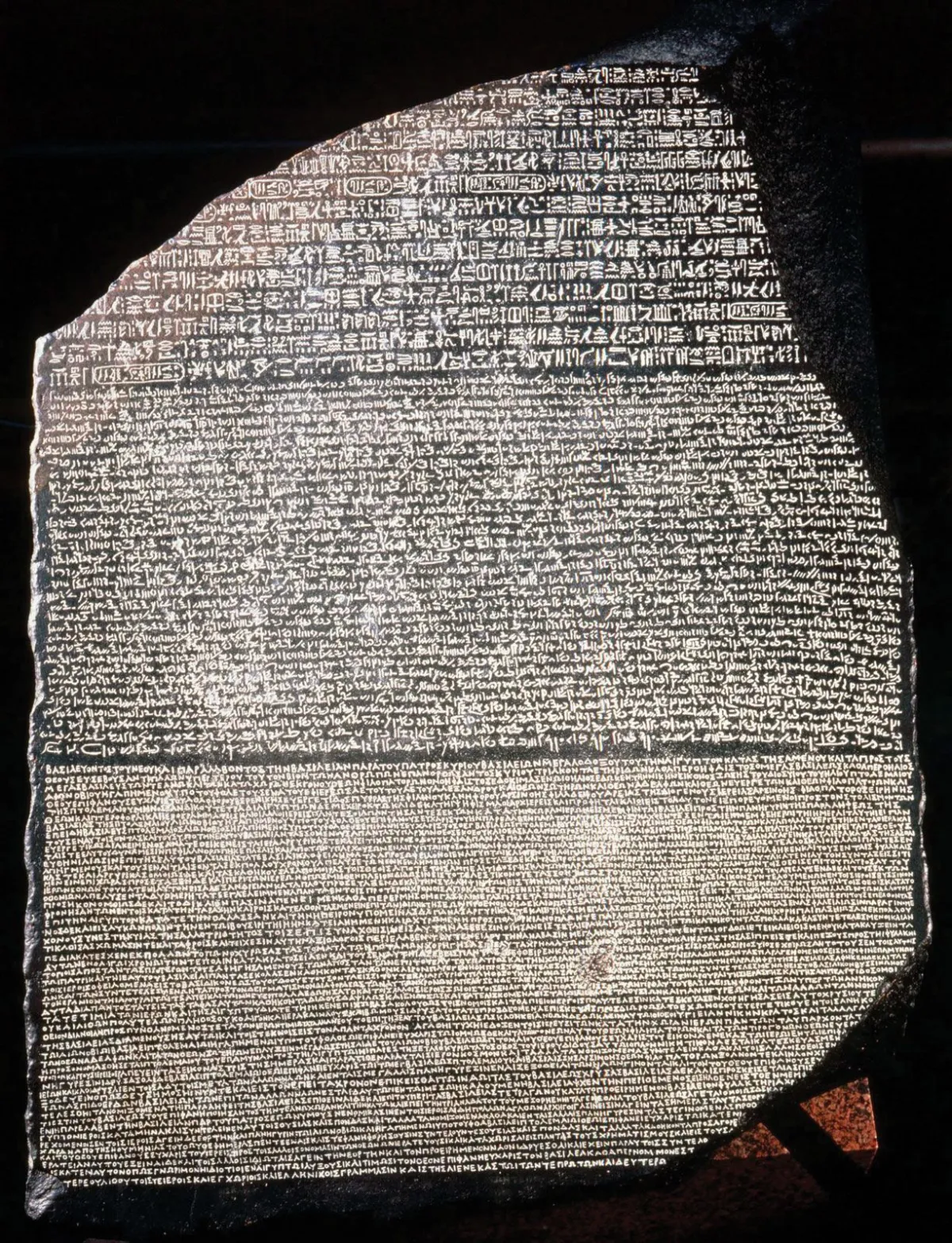 Photo: Rosetta Stone, via cdn.britannica.com
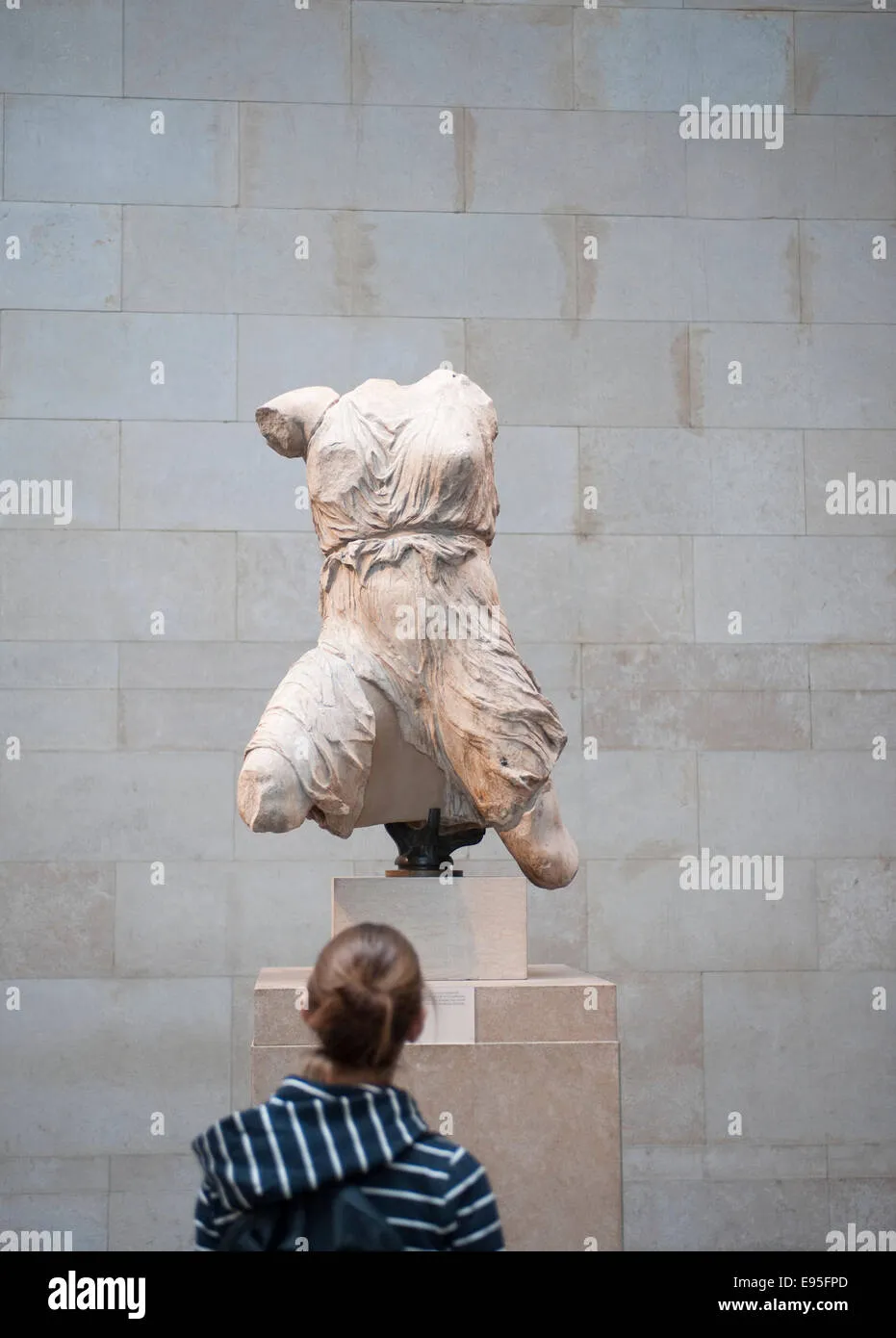 Photo: British Museum, via c8.alamy.com
This is the contrition industry in action — a sprawling ecosystem of consultants, communications specialists, and cultural entrepreneurs who have discovered that historical guilt can be remarkably good business. From heritage sites rewriting their narratives to corporations diversifying their boardrooms, Britain has developed an entire infrastructure around the performance of moral progress.
The question isn't whether this reckoning is overdue — it manifestly is. The question is whether genuine accountability can survive its own commercialisation.
The Consultancy of Conscience
Walk through any major British institution today and you'll encounter the fruits of this industry: carefully worded statements acknowledging 'complex histories', exhibitions that 'explore multiple perspectives', and diversity initiatives that tick every box whilst changing remarkably little. The language is universal, the sentiment apparently sincere, and the results frustratingly superficial.
Consider the recent wave of museum rebranding. Galleries that once celebrated imperial adventurers without question now present them as 'products of their time', whilst maintaining collections built on precisely the same acquisitive logic. The National Trust has spent millions on reports examining its properties' connections to slavery, producing documents that are simultaneously thorough and toothless — acknowledging historical wrongs whilst carefully avoiding contemporary implications.
This approach has spawned an entire consulting class: historians who specialise in 'heritage sensitivity', communications experts who craft apologies that avoid legal liability, and diversity professionals who excel at making incremental change feel revolutionary. They are the architects of Britain's new relationship with its past — one that acknowledges historical injustices whilst preserving present-day advantages.
The Performance of Progress
The contrition industry's genius lies in its ability to transform moral obligation into market opportunity. Universities establish centres for 'decolonial studies' whilst maintaining admissions policies that perpetuate educational inequality. Publishers commission books about imperial exploitation whilst operating within literary ecosystems that remain stubbornly exclusive. Corporations issue statements about historical injustices whilst pursuing contemporary business practices that would have made their Victorian predecessors proud.
The result is a peculiar form of historical theatre, where acknowledgement substitutes for action and awareness becomes its own form of absolution. Britain has become extraordinarily good at recognising its past wrongs whilst remaining remarkably committed to preserving their present-day benefits.
The Limits of Language
This commodification of conscience reveals itself most clearly in the careful language that has become standard across institutions. Words like 'complex', 'nuanced', and 'contextual' serve as diplomatic shields, allowing organisations to appear thoughtful whilst avoiding concrete commitments. 'Different perspectives' are acknowledged without necessarily being endorsed. 'Ongoing conversations' are promised without timelines or outcomes.
The effect is to create a perpetual state of moral consideration — a liminal space where good intentions substitute for meaningful action. Institutions can point to their statements, their exhibitions, their consultations as evidence of engagement with difficult histories, whilst the fundamental structures that benefited from those histories remain largely intact.
The Marketplace of Memory
Perhaps nowhere is this dynamic clearer than in Britain's heritage tourism industry, which has discovered that colonial guilt can be almost as marketable as colonial glory. Historic houses that once celebrated their founders' imperial achievements now offer 'challenging' tours that explore their connections to slavery — whilst charging premium prices for the privilege of feeling uncomfortable about the past.
The National Trust's recent initiatives exemplify this approach. Properties are recontextualised rather than abandoned, their stories 'complicated' rather than condemned. Visitors can experience moral complexity as a form of entertainment, leaving with the satisfaction of having engaged with difficult histories whilst continuing to benefit from the systems those histories created.
The Export Market
Britain's contrition industry has even found international markets. The same consultants who advise British institutions on 'decolonising' their collections now export their expertise globally, helping other former colonial powers navigate similar challenges. Historical accountability has become a British export — a service industry built on the country's extensive experience in managing imperial legacies.
This creates the surreal situation where Britain profits from teaching others how to acknowledge the damage Britain itself inflicted. It's the ultimate expression of the contrition industry's logic: transforming historical guilt into contemporary advantage.
The Reckoning That Never Comes
The tragedy of Britain's contrition industry isn't that it exists — some form of historical reckoning is clearly necessary. The tragedy is that it has become so successful at managing moral discomfort that it may actually impede the deeper changes it claims to promote.
By creating the appearance of progress, the industry provides cover for the persistence of underlying inequalities. By transforming historical injustices into cultural products, it risks reducing complex moral questions to matters of presentation and messaging. By making acknowledgement profitable, it incentivises performance over substance.
Beyond the Business Model
The challenge facing Britain isn't whether to engage with its imperial past — that engagement is both inevitable and necessary. The challenge is whether it can do so in ways that transcend the logic of the marketplace, that prioritise justice over comfort, and that measure success in structural change rather than institutional statements.
Until then, the contrition industry will continue to thrive, offering the illusion of moral progress whilst preserving the systems that make such progress necessary. Britain will remain sorry, not sorry — and extraordinarily good at selling both positions simultaneously.