The Great Outdoors Prescription
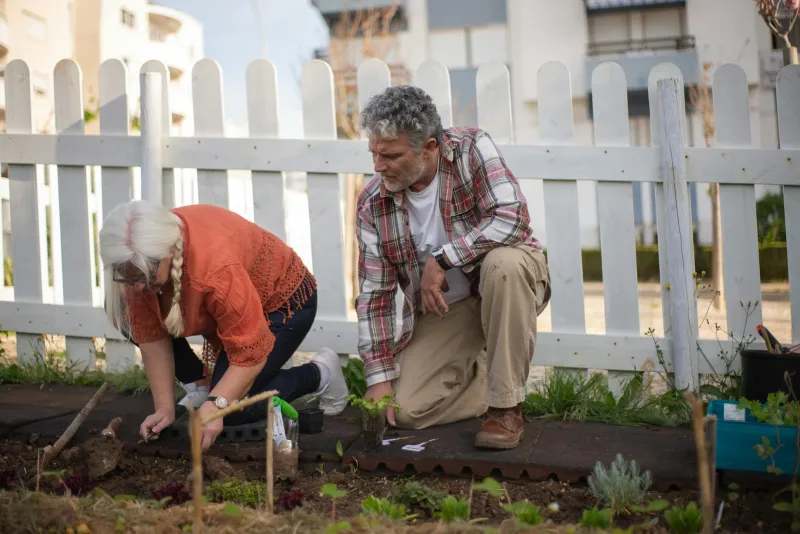
Dr Sarah Pemberton slides the prescription pad across her desk with practised ease. But instead of scrawling another antidepressant prescription, she writes something rather different: "Community garden therapy, twice weekly, minimum three months." Her patient, a 34-year-old teacher struggling with anxiety, looks puzzled. "You want me to... dig?"
This scene, increasingly common in GP surgeries across Britain, represents the latest frontier in the NHS's approach to mental health treatment. Green social prescribing—the formal recommendation of nature-based interventions—has evolved from fringe therapy to mainstream medical practice with remarkable speed. Yet beneath this seemingly progressive shift lies a more complex reality: whilst GPs enthusiastically prescribe therapeutic gardening, the infrastructure to deliver such treatment remains woefully inadequate.
The Medicalisation of Mud
The concept appears deceptively simple. Research consistently demonstrates that exposure to green spaces reduces cortisol levels, improves mood, and enhances overall psychological wellbeing. Horticultural therapy, with its combination of physical activity, social interaction, and purposeful engagement with nature, offers a compelling alternative to pharmaceutical intervention.
"We've seen remarkable transformations," explains Dr James Mitchell, a consultant psychiatrist who champions green prescribing. "Patients who've struggled with traditional talking therapies often flourish when they're working with soil and seeds. There's something profoundly therapeutic about nurturing growth."
However, critics argue that this enthusiasm for earthy remedies masks a more troubling reality. Professor Helen Cartwright, who researches healthcare policy at University College London, suggests that green prescribing represents "a convenient outsourcing of responsibility when traditional mental health services are chronically overwhelmed."
The Waiting List in the Weeds
The numbers tell a stark story. Whilst NHS England officially endorses green social prescribing as part of its Long Term Plan, funding for such programmes remains fragmented and insufficient. Community gardens operating therapeutic programmes report waiting lists stretching six months or longer—hardly ideal for individuals experiencing acute mental distress.
Martha Henley, who coordinates a therapeutic garden programme in Manchester, describes the daily frustration: "We receive dozens of referrals weekly from local GPs, but we can accommodate perhaps twenty per cent. The irony is palpable—doctors prescribe nature therapy, yet we can't afford the basic infrastructure to deliver it."
The situation reflects a broader pattern within contemporary healthcare provision. As traditional mental health services face unprecedented demand, alternative approaches gain prominence not necessarily because they're superior, but because they're seemingly cheaper and more accessible. The therapeutic garden becomes a pressure valve for an overstretched system.
Cultivating Questions
The efficacy debate extends beyond mere resource allocation. Whilst supporters cite impressive anecdotal evidence and emerging research, sceptics question whether gardening can genuinely address serious mental health conditions. Dr Rebecca Foster, a clinical psychologist, expresses measured concern: "Nobody disputes that gardening can improve mood and provide social connection. But we must be cautious about positioning it as a substitute for evidence-based psychological interventions."
This tension reflects deeper questions about the medicalisation of everyday activities. When gardening becomes a prescribed treatment, does it lose something essential? The spontaneous joy of nurturing plants risks transformation into another clinical obligation, complete with attendance requirements and outcome measurements.
The Politics of Prescription
Beyond individual treatment considerations lies a more fundamental political dimension. Green prescribing emerges at a moment when traditional mental health services face severe cuts and lengthy waiting times. The timing appears suspiciously convenient—as if prescribing fresh air might compensate for the systematic underfunding of psychological support.
"It's not that nature therapy lacks value," argues social policy researcher Dr Amanda Clarke. "But when it's promoted as a panacea whilst proper mental health services are decimated, we must question the underlying motivation."
The geographical inequality further compounds these concerns. Urban areas, where mental health challenges are often most acute, typically possess the least accessible green space. Rural communities may boast abundant natural environments but lack the therapeutic programmes to utilise them effectively.
Rooting Out Solutions
Despite these challenges, the potential for meaningful integration of nature-based therapy within comprehensive mental health provision remains significant. Several innovative programmes demonstrate how properly resourced green prescribing can complement rather than replace traditional treatment.
The key lies in honest acknowledgement of limitations and appropriate resource allocation. Green therapy works best as part of a broader therapeutic ecosystem, not as a standalone solution for complex mental health challenges.
Growing Conclusions
Britain's embrace of therapeutic gardening reflects both genuine insight into nature's healing potential and the pragmatic realities of healthcare under pressure. The question isn't whether soil and seeds can improve mental wellbeing—evidence suggests they can. Rather, we must examine whether green prescribing represents authentic healthcare innovation or a convenient deflection from more challenging systemic problems.
As waiting lists for both traditional therapy and therapeutic gardens continue growing, perhaps the most pressing prescription isn't for individual treatment modalities but for honest political commitment to comprehensive mental health provision. After all, the most therapeutic garden might be one that exists alongside, rather than instead of, proper psychological support.
Until then, Britain's mental health patients find themselves caught in a peculiar paradox: prescribed nature therapy they cannot access, whilst the underlying conditions driving their distress remain largely unaddressed. The soil, it seems, can only absorb so much.