The Rise of the Kitchen Laboratory
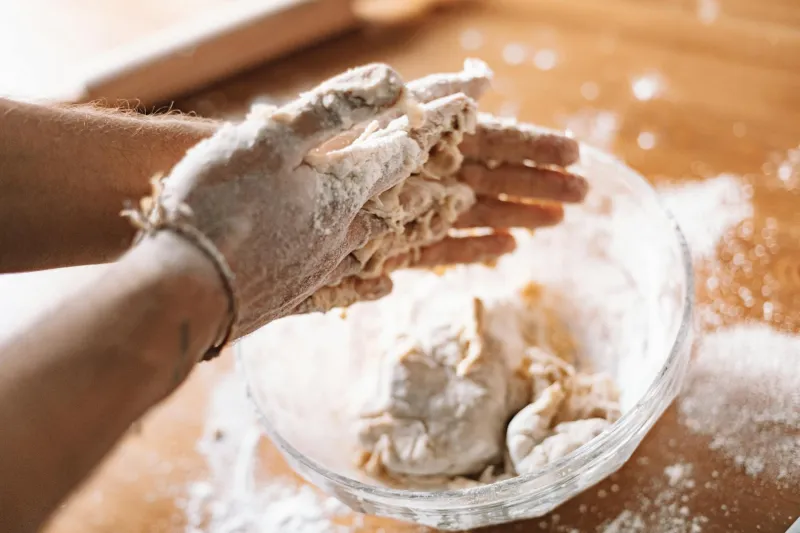
In the spring of 2020, as Britain locked down and supermarket shelves emptied of Hovis, something extraordinary happened in kitchens across the nation. Millions of people who had never considered the relationship between flour and time suddenly found themselves nurturing bubbling jars of sourdough starter with the devotion usually reserved for houseplants or pets. They named their cultures—Doughy McDoughface, Boris Yeastson, The Notorious B.R.E.A.D.—and shared their progress on Instagram with evangelical fervour.
What began as practical necessity quickly transformed into something altogether more complex. The simple act of making bread, unchanged in its fundamentals for millennia, became a performance of authenticity in an increasingly artificial world. But like so many attempts to reclaim the genuine in contemporary Britain, the sourdough movement soon developed its own elaborate hierarchies, specialised vocabulary, and unspoken rules of participation.
The Vocabulary of Virtue
Walk into any artisan bakery in Hackney or Hebden Bridge today, and you'll encounter a language that would be incomprehensible to the generation who queued for rationed bread during the war. Conversations revolve around hydration percentages, autolyse periods, and the mystical qualities of different flour types. The 'crumb structure' of a loaf receives the kind of analytical attention once reserved for wine or art criticism.
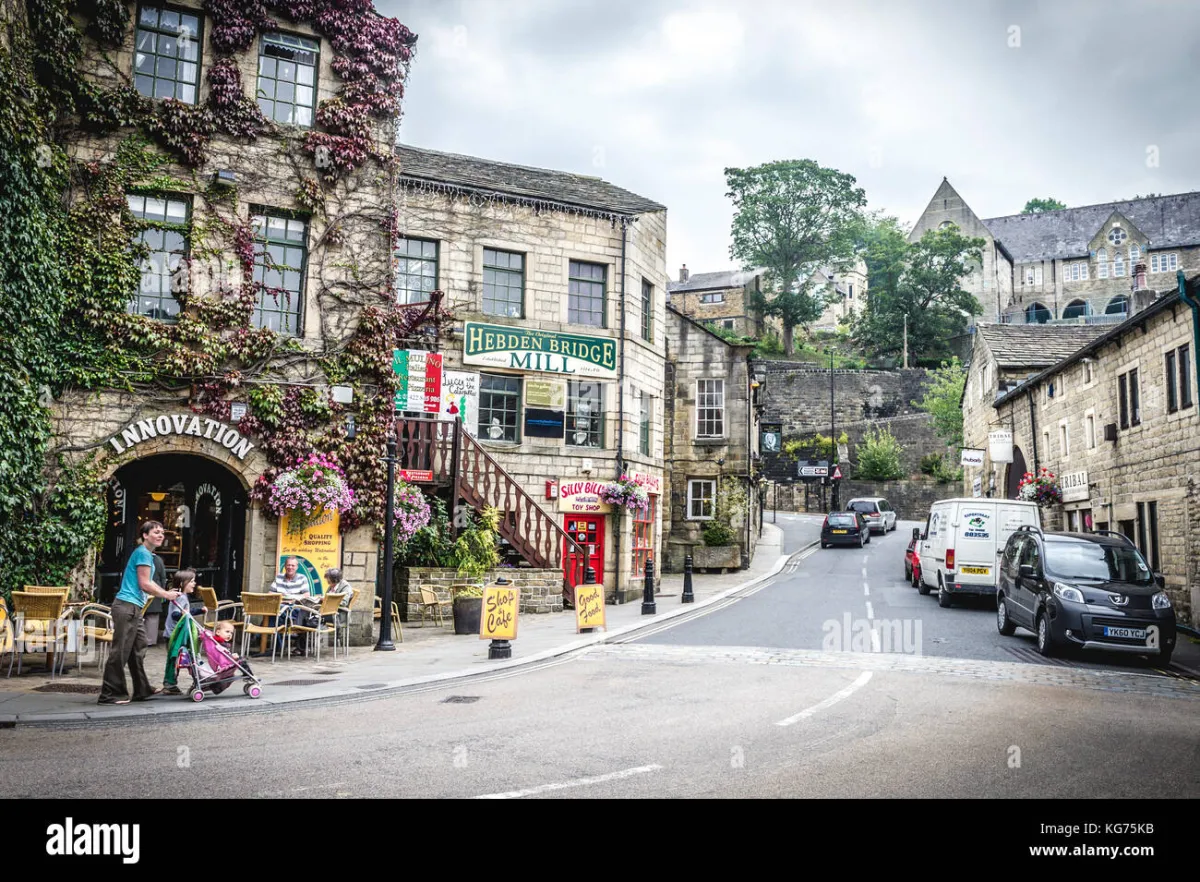 Photo: Hebden Bridge, via c8.alamy.com
This linguistic inflation serves a purpose beyond mere precision. In a culture increasingly anxious about authenticity, the technical language of bread-making offers the reassuring weight of expertise. To speak fluently of bulk fermentation and windowpane tests is to signal membership in a community that values craft over convenience, process over product.
Yet there's something profoundly absurd about applying the vocabulary of laboratory science to what was once the most democratic of skills. Bread-making, after all, predates literacy itself. For most of human history, it required no specialised knowledge beyond the understanding that flour, water, and time could create sustenance. The contemporary obsession with perfecting technique and documenting process suggests less a return to tradition than a fundamental anxiety about our relationship to making things with our hands.
The Commodification of Craft
The transformation of bread-making from necessity to hobby mirrors broader patterns in how Britain's middle classes approach traditional skills. Just as allotment gardening became competitive horticulture and home brewing evolved into craft beer snobbery, sourdough baking has developed its own ecosystem of expensive equipment, specialist ingredients, and aspirational lifestyle branding.
Visit any farmers' market and you'll find £9 loaves presented with the reverence of artisanal cheese, complete with tasting notes and provenance stories. The same impulse that drives people to photograph their avocado toast now extends to documenting every stage of the bread-making process, from starter maintenance to final crumb shot. What was once a private, meditative practice has become another opportunity for public performance of virtue and skill.
This commodification reveals something troubling about contemporary Britain's relationship to craft and tradition. In our eagerness to reclaim authentic experiences, we've created new forms of competitive consumption. The sourdough starter becomes a pet, the weekly bake becomes content, and the ancient rhythm of fermentation becomes another way to signal cultural capital.
The Paradox of Productive Uselessness
Perhaps the most revealing aspect of Britain's bread obsession is its essential pointlessness. In purely practical terms, making sourdough at home is an elaborate solution to a problem that doesn't exist. Good bread is widely available, often cheaper than the sum of ingredients and time required for home production. The hours spent feeding starters and monitoring dough could be devoted to almost any other pursuit with more tangible benefits.
Yet this apparent inefficiency is precisely the point. In a culture that has optimised almost every aspect of daily life for convenience and speed, the deliberately slow process of sourdough baking offers a form of resistance. The requirement to plan days ahead, to work with natural rhythms rather than digital schedules, represents a small rebellion against the tyranny of efficiency.
But even this rebellion has been co-opted by the same forces it purports to resist. The mindfulness inherent in bread-making becomes another productivity hack, another way to optimise wellbeing and demonstrate self-care. The process becomes as important as the product, and both become opportunities for documentation and sharing.
The Democracy That Never Was
The most poignant aspect of Britain's sourdough renaissance is its promise of democratic participation in an ancient craft. Bread-making, the narrative goes, connects us to generations of bakers, to a time when communities gathered around shared ovens and the skills of the kitchen were passed down through families rather than learned from YouTube tutorials.
Yet this romantic vision obscures the reality of who actually participates in artisan bread culture. Despite its apparent accessibility—flour and water being among the cheapest ingredients available—the sourdough movement remains stubbornly middle-class. It requires not just ingredients but time, space, and the cultural confidence to experiment with traditional techniques. The Instagram-worthy kitchen, the leisure time for long fermentation, the social capital to share successes and failures—all these represent forms of privilege that make the democratic craft of bread-making surprisingly exclusive.
The tragedy of Britain's bread renaissance is not that it exists, but that it represents such a pale imitation of the genuine craft traditions it claims to honour. In our anxiety to reclaim authenticity, we've created something that is neither authentic nor particularly nourishing—except perhaps to our sense of ourselves as people who value the real over the convenient.
The question that remains is whether any genuine connection to making things with our hands can survive the moment we start measuring hydration percentages and photographing crumb structures. In transforming bread-making into performance art, we may have lost precisely what we were trying to find: the simple, unremarkable satisfaction of creating something useful with our own hands, without audience or applause.