The Laptop Invasion
In a converted barn overlooking the Yorkshire Dales, a former investment banker conducts Zoom meetings whilst sheep graze photogenically outside her window. Her LinkedIn profile celebrates "living the dream" and "finding work-life balance," complete with sunset photographs that wouldn't look out of place in a lifestyle magazine. She moved here, she explains, to escape the relentless connectivity of urban life.
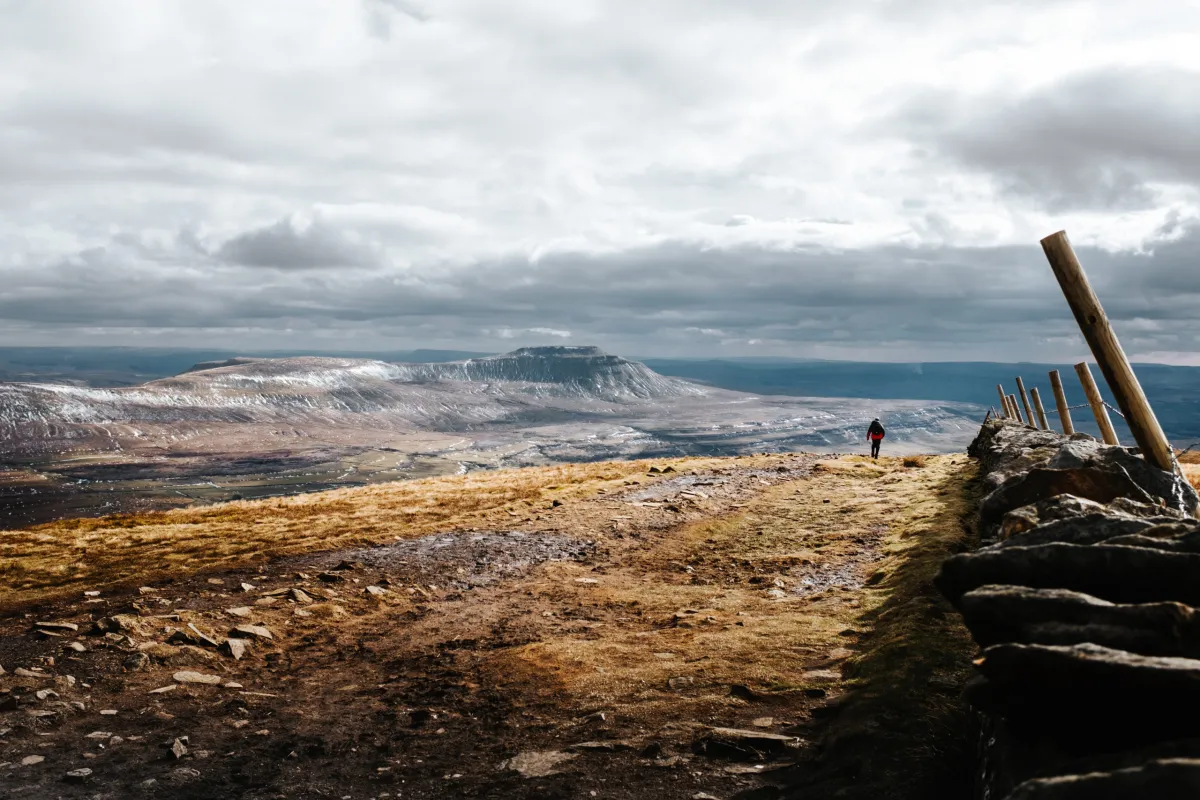 Photo: Yorkshire Dales, via i2.wp.com
Yet her first act upon arriving was to lobby the parish council for improved broadband infrastructure. Her second was to petition the mobile network operators for better signal coverage. The irony appears lost on her: she has fled to the countryside to escape digital overwhelm, only to demand that the countryside become more digitally connected to accommodate her presence.
This scene, replicated across rural Britain, illustrates a profound contradiction at the heart of the pandemic-era rural migration. The very people seeking to escape our hyperconnected world are simultaneously demanding that their refuge zones become more hyperconnected to support their escape.
The Connectivity Paradox
The numbers tell a striking story. Rural property prices have surged by unprecedented amounts, driven largely by urban professionals newly liberated from office-based work. Estate agents report bidding wars for properties that languished on the market for years. Villages that struggled to maintain basic services now find themselves gentrified by former city dwellers armed with London salaries and remote working arrangements.
Yet these new rural residents bring expectations shaped by urban connectivity standards. They demand not just broadband, but superfast broadband. Not merely mobile coverage, but 5G networks capable of supporting video calls and cloud computing. They want the aesthetic benefits of rural living combined with the infrastructural advantages of urban connectivity.
This creates an impossible tension. The countryside's appeal lies partly in its disconnection from urban intensity, yet that same disconnection becomes intolerable to people whose livelihoods depend on digital infrastructure. The result is a fundamental redefinition of what rural Britain is supposed to provide.
The Infrastructure Wars
Village meetings across rural Britain now feature increasingly heated debates about digital infrastructure. On one side stand long-term residents who moved to the countryside precisely because it offered respite from urban connectivity pressures. Many deliberately chose areas with poor mobile coverage and limited broadband specifically to escape the tyranny of constant availability.
On the other side are newcomers whose presence has often revitalised struggling rural economies but who demand infrastructure improvements that fundamentally alter the character of these places. Their arguments are compelling: better connectivity supports local businesses, enables flexible working that keeps families in rural areas, and provides essential services like telemedicine and online education.
Yet the infrastructure they demand—mobile phone masts, fibre optic cables, satellite dishes—inevitably changes the landscape they came to enjoy. The visual pollution of connectivity infrastructure becomes a metaphor for deeper cultural tensions about what rural Britain should prioritise: preservation of traditional character or adaptation to contemporary needs.
The Authenticity Trap
Many urban migrants speak eloquently about seeking "authentic" rural life, yet their very presence alters the authenticity they claim to value. Local pubs that catered to agricultural workers now serve flat whites to laptop-wielding professionals. Village shops stock sourdough bread and organic vegetables alongside traditional groceries. The economic benefits are undeniable, but so is the cultural transformation.
This creates what might be called the "authenticity trap"—the more successfully rural areas adapt to accommodate urban migrants, the less authentically rural they become. The newcomers who moved for rural tranquillity find themselves recreating the urban amenities they supposedly fled.
Meanwhile, traditional rural residents often find themselves priced out of communities their families inhabited for generations. The economic vitality brought by urban migrants comes at the cost of social continuity, creating resentment that simmers beneath polite village interactions.
The Digital Divide Deepens
The connectivity demands of rural migrants have inadvertently highlighted existing inequalities within rural communities. While affluent newcomers lobby for fibre optic broadband, many long-term rural residents struggle with basic digital exclusion. Elderly farmers lack the skills to navigate online banking. Agricultural workers cannot afford smartphones capable of accessing government services increasingly delivered exclusively online.
This creates a peculiar form of digital inequality where the loudest voices demanding better connectivity are often those least dependent on it for basic survival. The investment banker can always return to London if rural broadband proves inadequate. The elderly resident caring for a disabled spouse has no such fallback option.
Infrastructure investment consequently flows toward areas populated by articulate, well-connected migrants rather than toward communities with the greatest actual need. The result is a rural digital divide that mirrors urban gentrification patterns.
Redefining Rural Purpose
The fundamental question underlying these tensions concerns what rural Britain is actually for in the 21st century. Is it primarily a working landscape dedicated to agriculture and land management? A recreational space for urban escape and tourism? A residential alternative for those seeking different lifestyle priorities? The answer shapes everything from planning policy to infrastructure investment.
Traditionally, rural areas served clear economic functions—agriculture, forestry, mining, manufacturing. These activities supported communities with distinct cultures and clear relationships to the landscape. Today's rural economy is far more complex, blending traditional land use with tourism, remote working, and lifestyle businesses that serve both local and distant markets.
This economic transformation has cultural implications that extend far beyond infrastructure debates. When rural areas become primarily consumption spaces for urban professionals rather than production spaces for rural communities, their fundamental character changes in ways that no amount of careful planning can fully control.
Finding Balance
The challenge facing rural Britain is accommodating necessary change whilst preserving essential character. This requires acknowledging that some connectivity improvements are genuinely essential—for economic development, service delivery, and social inclusion—whilst resisting the assumption that rural areas must replicate urban connectivity standards.
It also means recognising that the newcomers transforming rural Britain often bring genuine benefits: economic investment, cultural vitality, and skills that strengthen rural communities. The goal should be integration rather than exclusion, finding ways to blend urban energy with rural wisdom.
Most importantly, it requires honest conversation about what we collectively want rural Britain to become. The current trajectory—toward connectivity-enabled rural gentrification—may not be inevitable, but it will only change if we consciously choose different priorities.
The war between escape and connectivity reflects deeper questions about how we want to live and what we value. Rural Britain has always adapted to changing circumstances. The question is whether it can do so whilst retaining the qualities that make rural life worth preserving—and worth escaping to—in the first place.