The Anxious Amateur
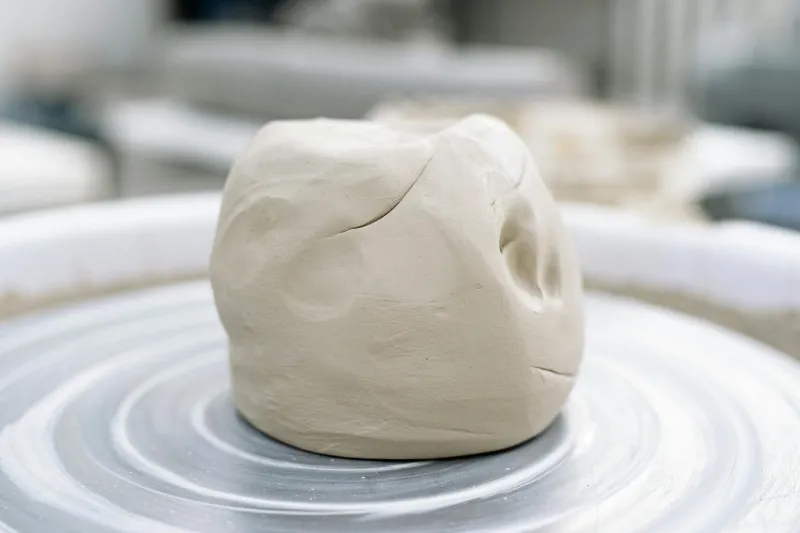
Sarah Jenkins started pottery classes to escape the relentless pace of her marketing job in Birmingham. Six months later, she's photographing every wonky bowl for Instagram, researching glaze chemistry on YouTube, and mentally calculating whether she could sell pieces at local craft fairs. "I can't seem to just make things badly anymore," she admits. "Everything has to be improving, developing, going somewhere."
Jenkins isn't alone. Across Britain, the simple pleasure of amateur pursuit has become contaminated by what we might call 'optimisation anxiety'—the creeping sense that every moment, including leisure time, must be maximised for growth, learning, or potential profit.
When Hobbies Became Hustles
The transformation is subtle but pervasive. Adult education centres report students arriving with ring lights and tripods alongside their watercolour sets. Knitting circles discuss Etsy strategies more than stitch patterns. Weekend gardeners obsess over Instagram-worthy harvest flatlays rather than simply enjoying the taste of home-grown tomatoes.
Dr James Morrison, who studies leisure patterns at the University of Sheffield, traces this shift to what he calls "the professionalisation of private time." Social media platforms have created an expectation that every activity should be documentable, shareable, and ultimately valuable to others. "We've lost the concept of genuine amateurism," he argues. "The word itself comes from the Latin 'amare'—to love. But love doesn't require improvement metrics."
The Side Hustle Syndrome
Part of the problem stems from Britain's increasingly precarious economic landscape. When wages stagnate and living costs soar, the pressure to monetise every skill becomes almost inevitable. The rise of platforms like Etsy, Depop, and Instagram Shopping has made it easier than ever to transform hobbies into revenue streams—and harder to justify activities that don't generate income.
Consider the explosion of 'paint and sip' classes across British cities. What began as wine-fuelled social activities have morphed into structured learning experiences, complete with technique tutorials and take-home improvement guides. The spontaneous joy of making something terrible whilst slightly drunk has been systematically optimised out of existence.
The Perfectionism Pandemic
Britain's hobby anxiety manifests in peculiar ways. Adult beginners arrive at art classes with expensive equipment and detailed research about 'proper' techniques. They apologise for their work before showing it, preemptively explaining why it's not good enough. The simple act of trying something new has become fraught with performance anxiety.
This perfectionism is particularly acute among professionals accustomed to workplace success. "I see lawyers who can negotiate million-pound deals but are paralysed by the idea of making a wonky ceramic mug," observes pottery instructor Helen Davies from her North London studio. "They've forgotten that incompetence can be joyful."
The Quantified Leisure Movement
Fitness trackers were just the beginning. Now we have apps that gamify reading (Goodreads challenges), monetise creativity (Skillshare affiliate programmes), and optimise meditation (Headspace streaks). Even traditionally contemplative activities like gardening have been infected by productivity metrics—harvest weights, growth rates, soil pH optimisation.
The result is a generation of Britons who struggle to engage in activities without measurable outcomes. We've become so accustomed to KPIs and performance reviews that we've imported these frameworks into spaces that were supposed to offer refuge from such thinking.
The Lost Art of Purposelessness
Historically, British amateur culture celebrated glorious purposelessness. Think of Victorian butterfly collecting, Edwardian watercolour societies, or post-war pigeon racing—activities pursued with passionate dedication but no expectation of professional development or financial return. These hobbies existed in what sociologists call 'magic circles'—spaces with their own rules and values, separate from commercial or productive logic.
Today's hobby culture has collapsed these boundaries. Every pastime becomes a potential pathway to self-improvement, social media content, or supplementary income. The magic circle has been breached by marketplace thinking.
Reclaiming Recreational Failure
Some Britons are beginning to push back. "Terrible Art Club" has emerged in cities across the UK, explicitly celebrating incompetence and banning photography. Members gather to create deliberately awful paintings, sculptures, and crafts, finding liberation in embracing failure.
Similarly, "Analogue August" movements encourage participants to pursue hobbies without digital documentation—reading physical books without Goodreads updates, cooking without food photography, gardening without growth charts.
The Economics of Genuine Leisure
The deeper issue is economic. In a society where every hour must justify itself financially, true leisure becomes a luxury. The pressure to optimise hobbies reflects broader anxieties about productivity and worth in an increasingly competitive economy.
Yet research consistently shows that purposeless activities—what psychologists call 'autotelic experiences'—are crucial for mental health and creativity. The Swedish concept of 'lagom' and the Danish 'hygge' both celebrate moderation and contentment over optimisation and growth.
Learning to Love Learning Curves
Perhaps Britain needs to rediscover what the Japanese call 'wabi-sabi'—finding beauty in imperfection and impermanence. Our hobbies don't need to make us better people, generate income, or create shareable content. Sometimes the most radical act is doing something badly, enjoying it anyway, and keeping it entirely to ourselves.
The anxiety surrounding British leisure time reveals something profound about our relationship with productivity culture. When even our hobbies become performance metrics, we've lost more than just recreational pleasure—we've lost the ability to exist without justification, to value process over outcome, to simply be rather than constantly become.