The Democracy Delusion
Every Tuesday morning at precisely 10am, thousands of hopeful culture vultures refresh their browsers in pursuit of £15 tickets to the Royal Opera House. The ballot system, introduced to democratise access to one of Britain's most elite cultural institutions, promises equal opportunity for all. Yet walk into any subsidised performance and you'll find the same faces that have always occupied these seats: the educated middle classes who know how to game the system, when to apply, and which performances offer the best value.
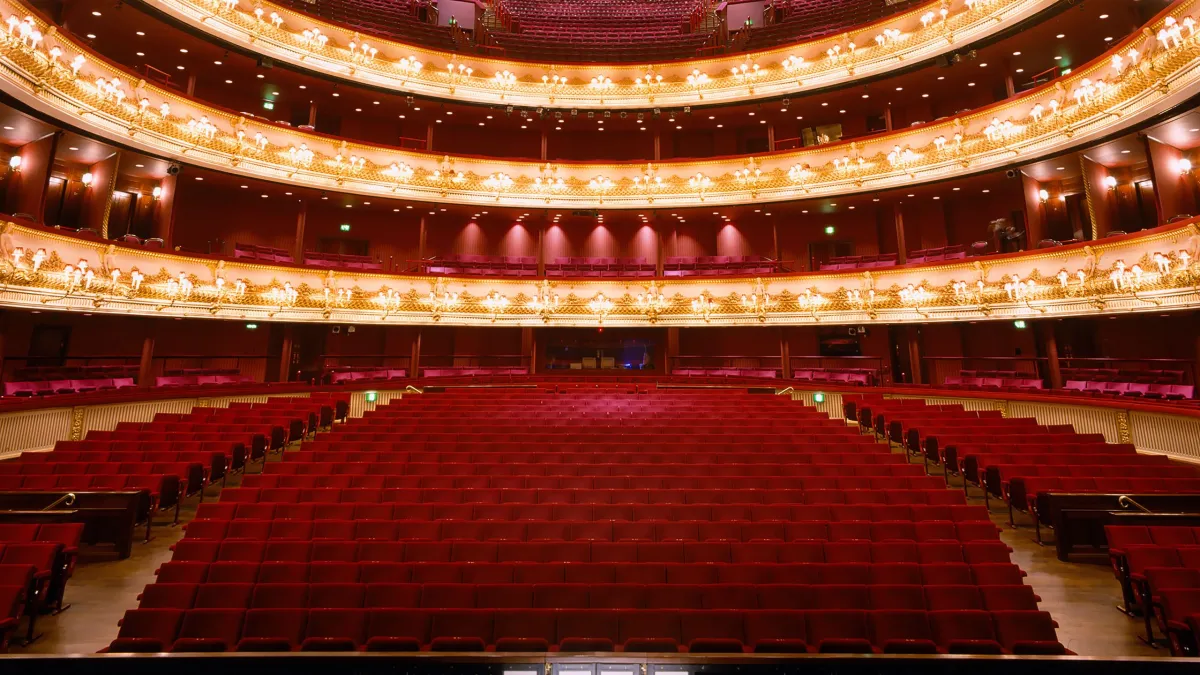 Photo: Royal Opera House, via media.cntraveler.com
This is the great deception of contemporary British cultural policy: the creation of access mechanisms so complex, opaque, and culturally specific that they serve as more effective barriers than the old system of simple exclusion. Where once institutions were honestly elitist, they now maintain the same exclusivity while wrapping it in the language of inclusion and opportunity.
The Architecture of Artificial Scarcity
The modern cultural lottery system represents a masterclass in manufactured democracy. Take the Tate Modern's blockbuster exhibitions, where 'free' member previews and timed entry slots create a hierarchy of access that mirrors broader social stratification. Those with annual memberships—requiring both disposable income and cultural confidence—enjoy first access. The general public enters a digital lottery for remaining slots, competing against thousands for the privilege of paying £25 to see art in overcrowded conditions.
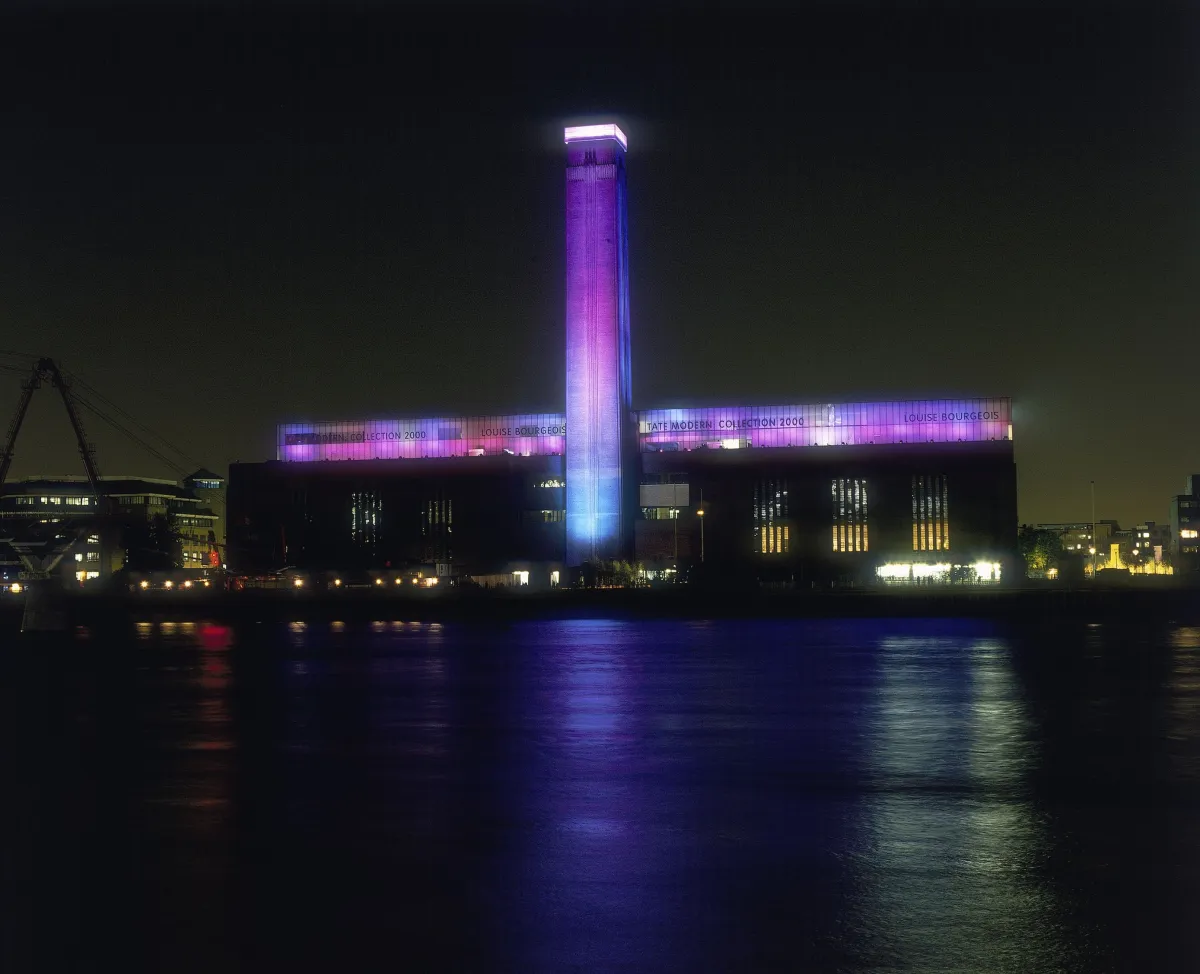 Photo: Tate Modern, via sothebys-com.brightspotcdn.com
This system achieves something remarkable: it makes exclusivity feel like inclusion. The very act of applying for tickets, of engaging with complex booking systems and membership tiers, creates the illusion of democratic participation. Those who fail to secure access can only blame poor luck rather than systemic exclusion. Those who succeed feel they've earned their cultural capital through persistence and digital savvy rather than inherited advantage.
The National Theatre's ballot system operates on similar principles. Heavily subsidised tickets are distributed through a process so Byzantine that understanding it requires the kind of cultural literacy that comes with education and social capital. You must know which shows to apply for, when applications open, and how to navigate multiple booking platforms. Success requires not just luck but the cultural confidence to believe you belong in these spaces in the first place.
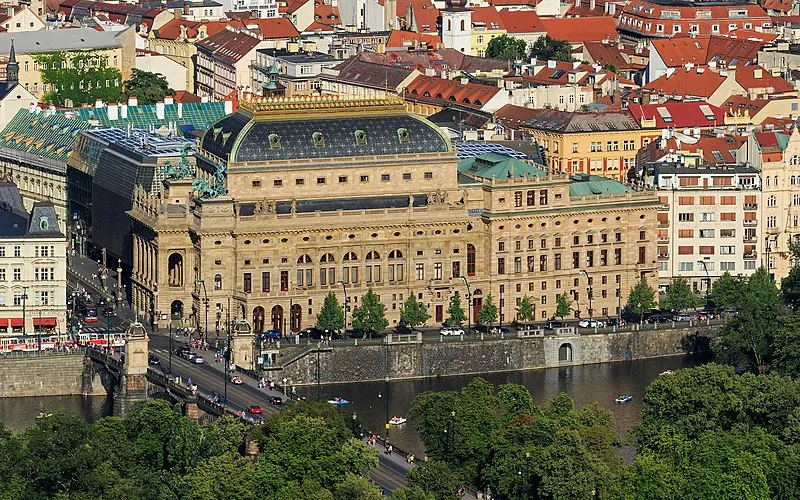 Photo of National Theatre, via Wikidata/Wikimedia Commons
The Gatekeepers of Good Intentions
Behind these systems lie armies of well-meaning arts administrators who genuinely believe they're widening participation. They point to statistics showing increased applications, diverse programming, and subsidised ticket schemes as evidence of success. Yet these metrics measure engagement with access mechanisms rather than actual diversification of audiences.
The cruel irony is that the more complex these systems become, the more they favour exactly the audiences they claim to challenge. Middle-class cultural consumers possess the social capital to navigate bureaucratic complexity, the economic security to plan cultural consumption in advance, and the confidence to persist through multiple failed applications. Working-class audiences, meanwhile, face barriers that extend far beyond ticket prices: inflexible booking systems, advance planning requirements, and the cultural capital needed to decode institutional languages.
Consider the Edinburgh Festival Fringe, where 'accessible' pricing schemes require audiences to book weeks in advance, navigate complex venue systems, and commit to shows based on minimal information. The result is a festival that prides itself on accessibility while remaining stubbornly middle-class in its actual audience composition.
The Performance of Inclusion
Perhaps the most insidious aspect of Britain's cultural access industry is how it transforms exclusion into virtue signalling. Institutions can point to their ballot systems, their subsidised schemes, their community partnerships as evidence of commitment to inclusion. The failure of these systems to actually diversify audiences becomes a problem of public engagement rather than institutional design.
This allows cultural institutions to maintain their traditional audiences while avoiding responsibility for genuine change. When working-class communities don't engage with complex booking systems, the problem lies with their lack of cultural ambition rather than systemic barriers. When BAME audiences don't apply for ballots, it reflects their different cultural preferences rather than institutional failures.
The language around these initiatives reveals their true purpose. Institutions speak of 'widening participation' rather than changing their fundamental character. They offer 'access' rather than belonging. They create 'opportunities' rather than welcome. This vocabulary maintains the fiction that cultural institutions are neutral spaces offering equal chances to all, rather than exclusive clubs that have simply updated their membership criteria.
The Digital Divide
The digitalisation of cultural access has created new forms of exclusion disguised as efficiency. Online booking systems favour those comfortable with technology, able to navigate complex interfaces, and equipped with reliable internet connections. The shift toward app-based tickets and digital membership cards excludes older audiences and those without smartphones, creating barriers that disproportionately affect working-class communities.
Meanwhile, the gamification of cultural access—through points systems, loyalty schemes, and tiered memberships—transforms cultural consumption into another form of competitive consumption. Success in securing tickets becomes a mark of cultural sophistication rather than simple luck, reinforcing hierarchies while appearing to democratise them.
The Subscription Society
The rise of membership culture in British arts institutions represents the final evolution of exclusive inclusion. Annual memberships to galleries, theatres, and concert halls create a cultural subscription society where regular access requires ongoing financial commitment. These schemes offer genuine value to frequent attenders while creating informal barriers for occasional visitors.
The result is a two-tier system: members who enjoy priority booking, exclusive events, and discounted tickets, and non-members who compete for remaining access through increasingly complex public systems. This recreates the class distinctions that subsidised culture was supposed to eliminate, but with the veneer of choice rather than birth.
The Mythology of Merit
The most damaging aspect of Britain's cultural access systems is how they transform structural inequality into personal failure. When someone fails to secure tickets through a ballot, the system encourages them to try again rather than question why access should be rationed at all. When working-class audiences don't engage with cultural institutions, the problem becomes their lack of aspiration rather than institutional barriers.
This mythology of merit allows cultural institutions to maintain their exclusivity while feeling progressive about their methods. They can point to their access schemes as evidence of commitment to inclusion while ignoring the reality that these schemes primarily benefit those who already possess cultural capital.
The True Cost of False Democracy
The tragedy of Britain's cultural lottery system is not that it fails to democratise access—though it clearly does—but that it provides cover for institutions to avoid genuine change. By creating elaborate mechanisms for rationing access, cultural institutions avoid confronting the deeper question of why access should be rationed at all.
A truly democratic cultural sector would start from the assumption that publicly funded institutions should be genuinely accessible to the public that funds them. This would require fundamental changes to programming, pricing, and institutional culture rather than complex booking systems and membership tiers.
Instead, Britain has created a system that maintains exclusivity while performing inclusion, that serves traditional audiences while claiming to welcome new ones. The result is cultural institutions that feel progressive about their access policies while remaining stubbornly unchanged in their actual character. The queue may be digital now, but it still leads to the same destination: a cultural landscape that serves the already served while congratulating itself on its openness to all.