The Texture of Nothing
There was a particular quality to Sunday afternoons that younger generations will never experience: the dense, almost physical weight of collective boredom that descended upon the nation like a benevolent fog. It wasn't simply the absence of activity — it was the presence of enforced stillness, a culturally mandated pause that created its own strange rhythms and unexpected possibilities.
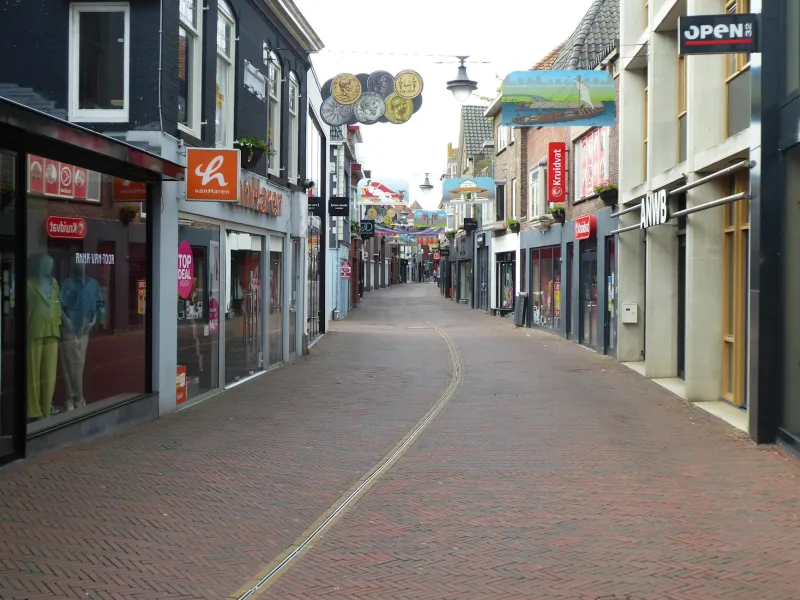
The shops were closed, not by choice but by law. Television offered only snooker, religious programming, and the occasional nature documentary narrated in hushed, reverential tones. The streets emptied of everything except dog walkers and the distant sound of church bells. Even the air seemed different — heavier, more contemplative, pregnant with the possibility of absolutely nothing happening at all.
This was Sunday as Britain once knew it: a day carved out from the relentless logic of productivity and consumption, protected by centuries of Christian tradition and maintained by a combination of legal restrictions and cultural consensus that has now almost entirely disappeared.
The Architecture of Emptiness
The old Sunday was built on a foundation of restrictions that would seem absurd to contemporary sensibilities. The Sunday Trading Act confined retail to a few precious hours, creating artificial scarcity that paradoxically felt like abundance — abundance of time, of quiet, of the rare luxury of having nowhere urgent to be.
Families were thrown together in their homes with limited external distractions. Children complained of boredom whilst discovering the strange creativity that emerges from genuine understimulation. Adults read newspapers cover to cover, attempted crosswords they'd never finish, and engaged in the lost art of sustained, unstructured conversation.
The television schedule reflected and reinforced this rhythm. Sunday programming was deliberately sedate: Songs of Praise, The Antiques Roadshow, costume dramas that unfolded at the pace of Victorian novels. Even the news seemed less urgent, filtered through the day's particular atmosphere of contemplative remove.
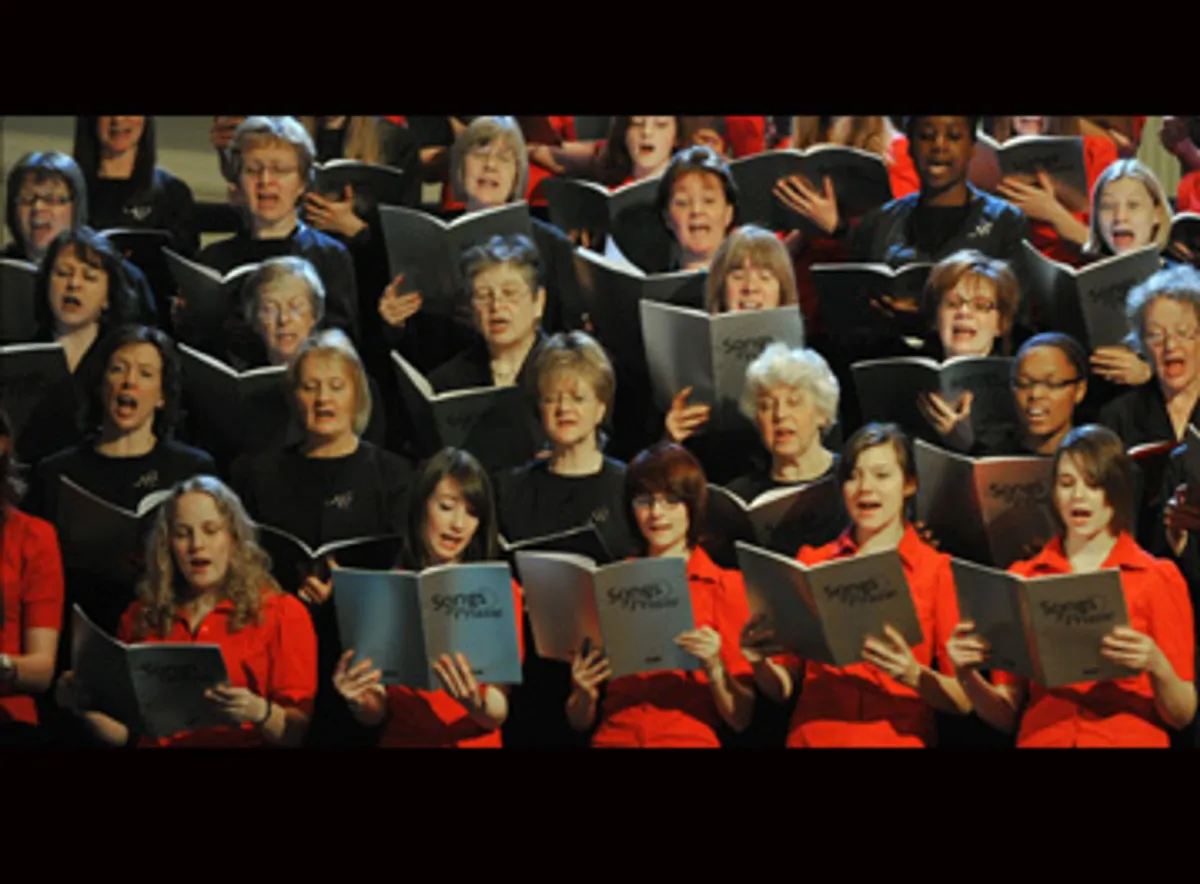 Photo: Songs of Praise, via i2-prod.birminghammail.co.uk
 Photo: The Antiques Roadshow, via www.bbcselect.com
The Democratisation of Restlessness
The erosion began gradually, then accelerated with startling speed. Sunday trading laws were relaxed in the name of consumer choice and economic efficiency. Shopping centres became weekend destinations. Cinemas multiplied their screenings. Restaurants discovered the profitability of the Sunday market.
But the real transformation came with digitisation. Streaming services eliminated the shared television experience that once united the nation in simultaneous boredom. Social media created infinite scrolling possibilities that could fill any silence. The gig economy transformed Sunday into just another opportunity for productivity, with delivery drivers, freelancers, and consultants working through what was once a collectively protected pause.
Today's Sunday is indistinguishable from any other day in the week — a victory for choice and flexibility that has come at the cost of something harder to define but impossible to replace.
The Loss of Shared Rhythms
What disappeared with Sunday wasn't simply individual rest — it was collective synchronisation. The old Sunday created a shared experience of time that cut across class, region, and generation. The wealthy in their country estates and the working class in their terraced houses were united in their mutual subjection to the day's peculiar constraints.
This synchronisation had unexpected consequences. It created space for reflection that wasn't scheduled or optimised. It forced encounters between family members who might otherwise pass like ships in their busy weeks. It provided a regular reminder that efficiency and productivity weren't the only measures of a life well-lived.
The loss of this shared rhythm has contributed to what sociologists call 'temporal fragmentation' — the breakdown of common experiences of time that once helped bind communities together. We've gained individual flexibility but lost collective coherence, won the right to shop at any hour but forfeited the strange solidarity of shared boredom.
The Creativity of Constraint
The old Sunday's restrictions created an unexpected form of creative pressure. With limited options for distraction, people were forced to improvise their own entertainment. Families played board games, attempted ambitious cooking projects, embarked on walks that served no purpose beyond the pleasure of movement.
Children, particularly, benefited from this enforced understimulation. With shops closed and activities limited, they were thrown back on their own imaginative resources. The boredom that seemed so oppressive in the moment often proved fertile ground for the kind of unstructured creativity that scheduled activities rarely provide.
Adults, too, found unexpected benefits in the day's constraints. The absence of shopping opportunities created space for reflection on what they actually needed versus what they merely wanted. The limited television options encouraged reading, conversation, or simply the radical act of sitting quietly with one's own thoughts.
The Productivity Trap
Contemporary Sunday has been colonised by what might be called 'optimisation anxiety' — the persistent sense that every hour should be maximally utilised for either productivity or curated experience. The day has become another opportunity for self-improvement: meal prep for the week ahead, fitness routines, personal development projects that transform rest into a form of work.
Social media has amplified this pressure by making every moment potentially shareable. Sunday brunches must be photographed, walks must be tracked, even relaxation must be performed for an audience of followers. The spontaneous, unwitnessed, genuinely boring moments that once characterised the day have been largely eliminated.
The result is a Sunday that is undoubtedly more stimulating than its predecessor — but also more exhausting, more demanding, and paradoxically less restful despite offering infinitely more options for entertainment and distraction.
The Politics of Protection
The defence of Sunday as a protected day has become entangled with broader cultural anxieties about tradition, identity, and the pace of modern life. Some see its preservation as essential to maintaining work-life balance in an always-on economy. Others view restrictions on Sunday trading as an anachronistic imposition of Christian values on an increasingly secular society.
But the debate often misses the deeper question: whether a society can maintain spaces for genuine rest without some form of collective agreement about when that rest should occur. Individual choice is a powerful value, but it struggles to create the kind of shared experiences that once bound communities together.
Reclaiming Sacred Time
The challenge facing contemporary Britain isn't necessarily to recreate the exact conditions of the old Sunday — many of its restrictions were indeed oppressive and exclusionary. The challenge is to find new ways of protecting time for the kind of unproductive, unoptimised, genuinely restful experiences that the old Sunday provided almost by accident.
This might require rethinking our relationship with choice itself. The infinite options that define contemporary life are undoubtedly liberating, but they also create what psychologists call 'choice fatigue' — the exhausting burden of constant decision-making that can make freedom feel like work.
Perhaps what we need isn't the return of Sunday's restrictions but the development of new forms of collective self-restraint — agreements about when to step back from the relentless demands of an always-available world and rediscover the lost art of having absolutely nothing to do.