The Waiting Game
The letter arrived on a Tuesday morning, seventeen years after Margaret Thornton first added her name to the waiting list. Plot 47B at Meadowbank Allotments was finally hers—all sixty square metres of neglected earth, rusted greenhouse, and decades of accumulated dreams. By Thursday, she'd received three separate offers from fellow plot-holders to "help manage" her space, each accompanied by thinly veiled suggestions about proper cultivation techniques and appropriate vegetable varieties.
Welcome to modern Britain's most genteel territorial dispute, where the humble allotment has evolved from working-class necessity into middle-class battlefield, complete with unspoken hierarchies, cultural codes, and enough passive-aggression to power a small market garden.
The Great Green Gentrification
Across Britain, allotment waiting lists tell a story of profound social transformation. What were once practical spaces for families to supplement meagre food budgets have become lifestyle accessories for the sustainably-minded bourgeoisie. The numbers are stark: average waiting times have tripled in the past decade, with some London sites boasting queues longer than those for social housing.
This isn't simply about supply and demand. The contemporary allotment movement reflects deeper anxieties about authenticity, sustainability, and class identity in twenty-first-century Britain. For established plot-holders, many inheriting spaces from parents or grandparents, the influx of newcomers armed with expensive tools and Instagram accounts represents something more troubling than mere overcrowding—it's cultural colonisation disguised as environmental consciousness.
"They arrive with their Japanese hoes and heritage seed catalogues," observes Frank Morrison, who's tended the same plot in Wolverhampton for forty-three years. "But they've never needed to grow food because the cupboards were bare. For them, it's a hobby. For us, it was survival."
The Aesthetic of Authenticity
The tension becomes visible in the competing visions of what an allotment should represent. Traditional plot-holders favour functionality—neat rows of potatoes, practical sheds constructed from salvaged materials, and vegetables chosen for yield rather than novelty. The newcomers, often professional couples seeking weekend sanctuary from urban pressures, gravitate towards aesthetic considerations: heritage varieties, architectural structures, and Instagram-worthy garden designs that prioritise visual appeal over practical output.
This divide extends beyond mere gardening philosophy. Research by the University of Sheffield suggests that newer allotment holders are significantly more likely to view their plots as extensions of domestic space—outdoor rooms for entertaining and relaxation—rather than productive agricultural land. The implications ripple through allotment communities, creating subtle but persistent friction over everything from shed design to acceptable noise levels.
The Economics of Earth
Beneath these cultural tensions lies a harder economic reality. As urban land values soar and councils face budget pressures, allotment sites have become tempting targets for development. The arrival of affluent plot-holders, whilst creating internal community tensions, may paradoxically represent the only viable defence against wholesale site closure.
"The middle classes bring political capital," acknowledges Janet Stevens, secretary of the National Allotment Society. "When councillors threaten closure, it helps to have plot-holders who know how to navigate planning committees and write compelling objection letters. But that protection comes at a cultural cost."
This uncomfortable alliance highlights one of contemporary Britain's most persistent dilemmas: how to preserve working-class institutions without either abandoning them to decline or allowing their complete transformation by middle-class intervention. The allotment becomes a microcosm of broader gentrification processes, where salvation and destruction often prove indistinguishable.
Seeds of Conflict
The generational divide adds another layer of complexity. Younger plot-holders, regardless of class background, often arrive with different expectations shaped by social media culture and environmental activism. They document their gardening journey online, share exotic growing experiments, and approach allotment culture with the enthusiasm of anthropologists discovering a fascinating tribe.
For older plot-holders, particularly those from working-class backgrounds, this performative aspect of contemporary gardening can feel deeply alienating. "It's become a lifestyle brand," suggests Patricia Williams, whose family has held plots in Birmingham for three generations. "Growing food used to be private, practical, something you did because you needed to. Now it's all about showing off to people who've never known real hunger."
The Future of British Earth
Yet dismissing the allotment revival as mere middle-class affectation misses crucial developments. Many newcomers bring genuine commitment to sustainable living, food security, and community building. They organise seed swaps, coordinate bulk purchasing, and introduce innovative growing techniques that benefit everyone. The challenge lies in fostering genuine integration rather than parallel communities sharing the same physical space.
Some sites have begun experimenting with mentorship programmes, pairing experienced growers with newcomers in structured relationships that facilitate knowledge transfer whilst respecting cultural boundaries. Others have introduced plot allocation systems that consider community contribution alongside waiting time, encouraging active participation rather than passive ownership.
Cultivating Common Ground
The allotment wars reflect broader questions about who owns the right to sustainability, authenticity, and connection to the land in modern Britain. As climate change makes food security increasingly urgent and urban living more psychologically demanding, these green spaces represent far more than recreational gardening—they're laboratories for reimagining community in an atomised society.
Perhaps the path forward lies not in defending territory but in recognising shared ground. Both working-class traditionalists and middle-class newcomers seek connection to the earth, community with neighbours, and alternatives to consumer culture. The question isn't whether allotments can survive their own popularity, but whether they can evolve into genuinely inclusive spaces that honour their heritage whilst embracing their future.
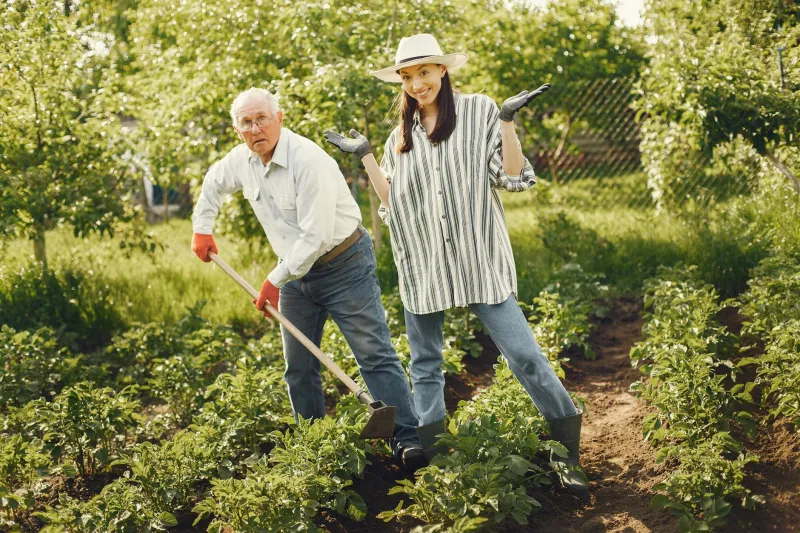
In plot 47B, Margaret Thornton plants her first seeds—runner beans chosen for reliability rather than novelty, following techniques learned from her grandfather. Her neighbours watch with interest, some offering advice, others maintaining cautious distance. The soil doesn't discriminate, but the people who tend it still struggle to find common ground. In that tension lies both the challenge and the promise of Britain's green revolution.