The Return of Ritual
In drawing rooms across suburban Britain, a peculiar form of theatre has resumed. The dinner party—that most British of social institutions—has clawed its way back from the grave of casual entertaining, dragging with it all the exquisite torments that made our grandparents break out in cold sweats at the mention of a formal invitation.
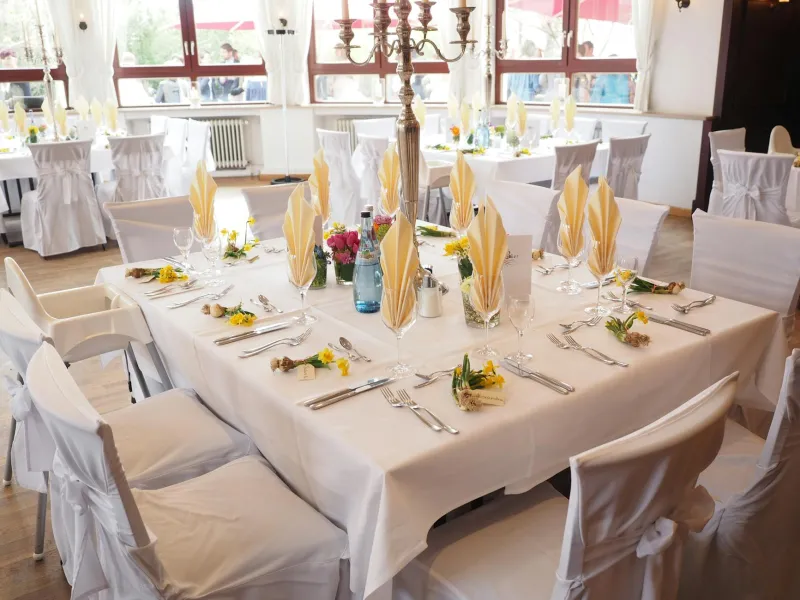
Where once we gathered around kitchen islands with bottles of wine and takeaway containers, a growing contingent of the anxiously aspirational has rediscovered the dark arts of place cards, proper cutlery, and the dreaded seating plan. The question is whether this revival represents genuine social hunger or merely the latest performance in Britain's ongoing theatre of class anxiety.
The Choreography of Connection
Observe the modern British dinner party host in their natural habitat: frantically googling "conversation starters for intellectuals" whilst simultaneously calculating whether serving both vegetarian and gluten-free options makes them progressive or simply neurotic. The contemporary formal dinner has become a masterclass in social choreography, where every element—from the strategic placement of the outspoken Remainer next to the quiet Brexiteer to the careful timing of the cheese course—serves as evidence of the host's cultural sophistication.
This is dinner party as social engineering, where the table becomes a laboratory for testing the limits of polite discourse. The irony is palpable: in our desperate attempt to create meaningful connection, we've constructed an elaborate framework that often precludes the very spontaneity that makes human interaction genuinely meaningful.
The Politics of the Place Setting
Nothing reveals the contemporary British psyche quite like our relationship with dinner party etiquette. The modern host navigates a minefield of dietary requirements that would have sent Mrs Beeton into a nervous collapse. Veganism sits alongside gluten intolerance, whilst various allergies and ethical stances transform the simple act of menu planning into a diplomatic exercise worthy of the UN.
Yet perhaps this complexity reflects something admirable about contemporary British society: our genuine attempt to accommodate difference within the framework of traditional social ritual. The dinner party has become a space where progressive values meet conservative forms, creating a uniquely British hybrid of inclusion and formality.
Digital Detox or Social Performance?
The revival of formal entertaining coincides suspiciously with our growing awareness of digital isolation's corrosive effects. The dinner party offers the tantalising promise of authentic human connection—phones banished, conversations flowing, minds meeting across the mahogany. It's the analogue antidote to our digital malaise.
But scratch beneath the surface of this social renaissance and a different picture emerges. Instagram stories documenting elaborate table settings. LinkedIn posts about "the lost art of conversation." The dinner party has become another arena for personal branding, where hosts perform their sophistication for an audience that extends far beyond their dining room.
The Tyranny of Structured Spontaneity
The modern British dinner party reveals our profound discomfort with unscripted social interaction. We've become so accustomed to the mediated nature of digital communication—where every response can be crafted, edited, and optimised—that the prospect of three hours of live, unedited conversation terrifies us. The formal dinner party provides a framework, a set of rules and expectations that make authentic interaction feel safer.
Yet this structure often achieves the opposite of its intended effect. Conversations become stilted, performed rather than felt. Guests find themselves playing roles—the witty raconteur, the informed political commentator, the cultured aesthete—rather than simply being themselves.
The Economics of Intimacy
The dinner party revival also reflects the economics of modern British social life. As public spaces become increasingly commercialised and privatised, the home has emerged as one of the few remaining venues for genuine hospitality. The formal dinner party represents a reclamation of domestic space as a site of cultural and social significance.
This privatisation of social life has profound implications. It creates circles of inclusion and exclusion based on housing quality, disposable income, and social confidence. The dinner party becomes another marker of middle-class privilege, accessible only to those with the space, time, and cultural capital to execute it properly.
Beyond the Performance
Despite its performative elements and class anxieties, the dinner party revival speaks to a genuine human need that our digital age has left unfulfilled. In an era of fragmented attention and mediated interaction, the simple act of sitting together, sharing food, and engaging in extended conversation represents a form of resistance.
The challenge lies in distinguishing between dinner parties that genuinely foster connection and those that merely perform it. The difference often lies not in the quality of the china or the sophistication of the menu, but in the host's willingness to embrace the beautiful messiness of human interaction over the polished perfection of social theatre.
Perhaps the dinner party's true revival will come not when we perfect its performance, but when we remember that its greatest gift lies in its capacity for genuine surprise—the unexpected conversation, the unlikely connection, the moment when social ritual gives way to authentic human encounter.