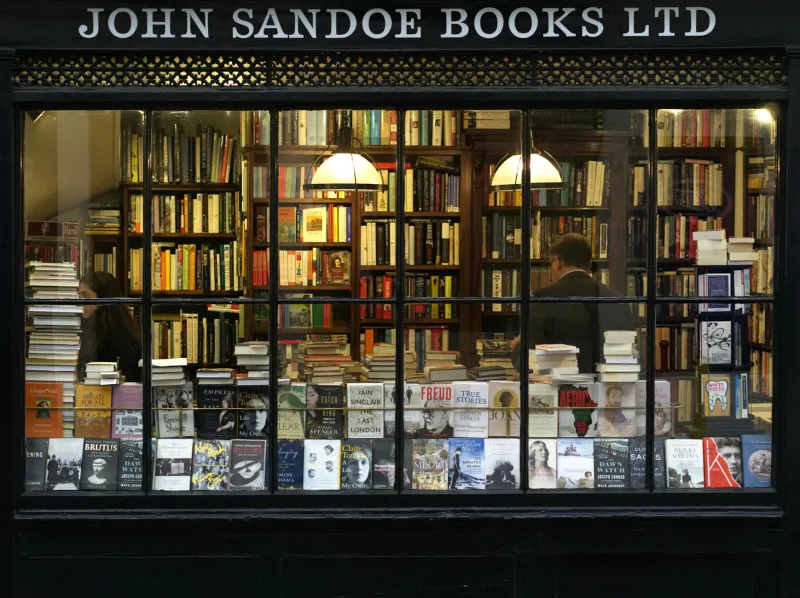
Between the Lines: How a Generation of Unlikely Entrepreneurs is Rescuing Britain's Literary Soul
The statistics are stark enough to make any bibliophile weep into their first edition Penguin Classics. Since 2005, Britain has lost nearly 40% of its independent bookshops—from 1,535 establishments to fewer than 900 today. Yet behind these grim figures lies a more nuanced story: one of reinvention, community activism, and an unlikely generation of literary entrepreneurs who refuse to let the written word surrender to the algorithm.
The Great Retreat
The decline has been merciless in its efficiency. Borders collapsed spectacularly in 2009, taking 45 stores with it. Waterstones, whilst surviving, closed dozens of branches and homogenised much of what remained. Meanwhile, Amazon's relentless expansion turned book-buying into a transaction as emotionally resonant as ordering toilet roll—efficient, perhaps, but devoid of serendipity.
The cultural implications extend far beyond mere retail metrics. Independent bookshops have historically served as informal community centres, hosting reading groups, author events, and providing spaces for intellectual discourse that shopping centres and digital platforms simply cannot replicate. When Shrewsbury lost its last independent bookshop in 2018, residents didn't just lose a retailer—they lost a cultural anchor that had existed since 1947.
The Unlikely Cavalry
Yet something remarkable has emerged from this literary wasteland. Across Britain, a new breed of bookseller is challenging the narrative of inevitable decline. These aren't the stereotypical literary types one might expect, but career-changers bringing fresh perspectives and hard-won business acumen to an industry that has often prioritised passion over profit.
Take Sarah Mitchell, a former investment banker who abandoned the City's glass towers in 2019 to open Chapters & Verse in Bristol's Clifton district. "I spent fifteen years moving money around," she reflects, surrounded by carefully curated displays that blend literary fiction with local history. "But I wanted to move ideas instead."
Mitchell's approach represents a new paradigm in independent bookselling. Rather than competing with Amazon on convenience, she's created an experience economy around books. Monthly wine tastings paired with debut novels, breakfast book clubs for commuters, and partnerships with local coffee roasters have transformed her shop into what she calls "a cultural living room for the neighbourhood."
Similarly, in Shrewsbury, retired English teacher David Pemberton has opened The Reading Room in the space once occupied by a mobile phone shop. His background in education shapes every aspect of the business—from carefully crafted shelf talkers that contextualise each recommendation to after-school reading programmes that have become so popular they require booking weeks in advance.
Beyond Nostalgia: The Economics of Cultural Value
What distinguishes these new-generation booksellers from their predecessors is their sophisticated understanding of their role within the broader cultural ecosystem. They're not simply selling books; they're curating intellectual experiences and fostering community connections that have measurable economic impact.
Research by the Centre for Local Economic Strategies suggests that independent bookshops generate significantly more local economic activity per pound of revenue than chain stores or online retailers. Every £10 spent at an independent bookshop typically generates £25 of local economic activity, compared to just £14 for chain bookstores.
Moreover, these establishments serve as anchor tenants for other cultural businesses. Areas with thriving independent bookshops tend to attract cafes, galleries, and specialty retailers, creating clusters of cultural activity that enhance property values and attract both residents and tourists.
The Digital Integration
Perhaps most tellingly, these bookshop entrepreneurs aren't Luddites railing against digital progress. Instead, they're leveraging technology to enhance rather than replace the physical book-buying experience. Many use sophisticated inventory management systems to compete with Amazon on stock availability whilst maintaining the personal touch that defines independent retail.
Social media has become a crucial tool for community building. Instagram accounts showcasing daily book recommendations, TikTok videos of staff picks, and Facebook groups for book clubs have extended these shops' influence far beyond their physical footprints.
The Broader Cultural Stakes
The survival of independent bookshops represents something more significant than retail diversity. In an era of increasing political polarisation and social fragmentation, these spaces serve as neutral ground where diverse perspectives can coexist on the same shelf. They're among the few remaining places where intellectual curiosity, rather than algorithmic targeting, drives discovery.
Furthermore, independent bookshops play a crucial role in supporting emerging authors and publishers who might struggle to gain visibility through corporate retail channels. Many of today's literary success stories began with passionate handselling by independent booksellers who recognised talent before the marketing departments did.
The Path Forward
The renaissance isn't without challenges. Rising commercial rents, particularly in London and other major cities, continue to threaten even successful independents. The cost-of-living crisis has made discretionary spending on books more difficult for many consumers. And the convenience of online ordering, accelerated by pandemic lockdowns, has permanently altered consumer behaviour.
Yet the entrepreneurs leading this quiet revolution remain optimistic. They understand that their value proposition isn't convenience—it's connection. In an increasingly digital world, the tactile experience of browsing, the serendipity of unexpected discoveries, and the human connection of knowledgeable recommendations have become more precious, not less.
The future of British bookshops may not lie in nostalgic recreation of past glories, but in thoughtful evolution led by passionate individuals who understand that selling books is ultimately about selling ideas, community, and the irreplaceable pleasure of literary discovery. In their hands, the quiet death of the high street bookshop becomes instead a noisy resurrection.