The Promise That Never Was
Twenty-five years ago, the gastropub arrived like a messiah for Britain's beleaguered drinking establishments. The concept was elegantly simple: elevate pub food beyond the realm of microwaved lasagne and frozen chips, whilst preserving the convivial atmosphere that made the British pub a cornerstone of community life. It was a revolution born of necessity—a response to the inexorable decline of traditional boozers, shuttering at a rate of twelve per week by the early 1990s.
The Eagle in Farringdon, widely credited as the first gastropub, represented something genuinely transformative. Here was a place where you could enjoy expertly prepared food without the stuffiness of formal dining, where the bar remained central to the experience, and where the democratic spirit of the pub endured alongside culinary ambition. It felt authentically British—an evolution rather than an importation.
The Homogenisation Machine
Fast-forward to 2024, and the gastropub landscape resembles nothing so much as a theme park version of itself. Walk into any 'gastropub' from Cornwall to Cumbria, and you'll encounter the same depressing tableau: exposed brick walls that have never seen honest labour, Edison bulb chandeliers casting their calculated glow over reclaimed wood tables, and menus that read like they've been generated by algorithm.
The ubiquitous sticky toffee pudding has become the movement's unwitting symbol—a dessert so omnipresent that it might as well be mandated by law. Alongside it, the same dreary roster of 'elevated classics': fish and chips with 'artisanal' mushy peas, 'gourmet' burgers that cost more than a decent bottle of wine, and Sunday roasts that somehow manage to be both overpriced and underwhelming.
This isn't evolution; it's devolution. The gastropub has been stripped of its local character and rebuilt as a franchise-ready format, designed to extract maximum profit from minimum creativity. Corporate hospitality groups have seized upon the gastropub template as the perfect vehicle for expansion—familiar enough to feel safe, yet premium enough to justify inflated prices.
Pricing Out the Punters
Perhaps most perniciously, the modern gastropub has abandoned its democratic roots. Where once these establishments served their local communities, they now cater exclusively to the professional classes willing to pay £18 for fish and chips. The working-class drinkers who sustained Britain's pubs for centuries have been systematically priced out, replaced by affluent diners who view the pub as just another lifestyle choice.
This represents a fundamental betrayal of the pub's social function. The British pub was never meant to be exclusive; it was the great leveller, where factory workers and office clerks could rub shoulders over a pint. Today's gastropub, with its £25 mains and wine lists that start at £35 a bottle, has erected insurmountable class barriers in spaces that were once gloriously egalitarian.
The Search for Authenticity
Not all hope is lost. Scattered across Britain, a handful of establishments still honour the gastropub's original vision. These are typically independently owned venues that have resisted the siren call of corporate expansion, choosing instead to serve their local communities with integrity and imagination.
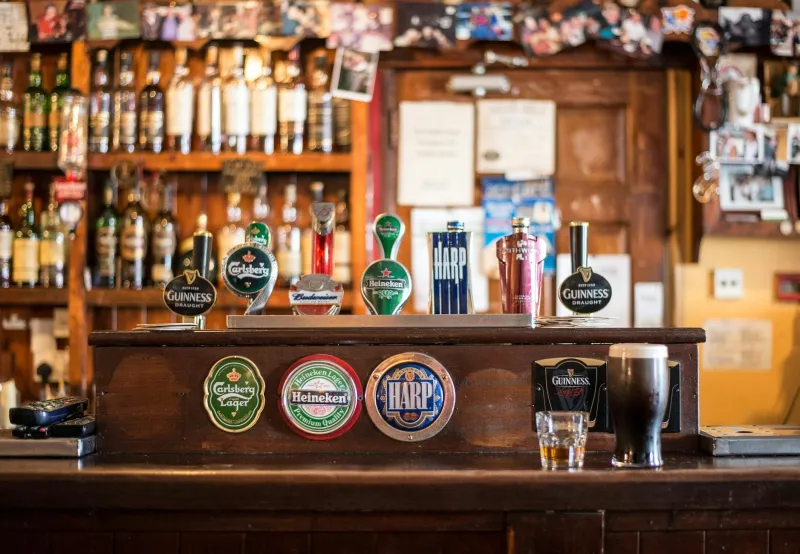
These authentic gastropubs share certain characteristics: they source locally where possible, change their menus seasonally, maintain reasonable prices, and crucially, they still function as pubs first and restaurants second. The bar remains the heart of the operation, locals are welcome whether they're eating or just drinking, and the atmosphere reflects the character of its neighbourhood rather than corporate branding guidelines.
The Path to Redemption
The gastropub's salvation lies not in grand gestures but in returning to first principles. This means rejecting the homogenised template in favour of genuine local character, pricing food accessibly rather than aspirationally, and remembering that a pub's primary function is to serve its community, not shareholders.
It also requires consumers to vote with their wallets. Every time we choose an independent gastropub over a corporate chain, we're supporting the kind of authentic hospitality that made the movement worthwhile in the first place. The death of the local is not inevitable—it's a choice.
Conclusion: Reclaiming the Revolution
The gastropub was supposed to save Britain's pub culture, not replace it with something antiseptic and exclusionary. That it has largely failed in this mission is not an indictment of the concept itself, but of our willingness to let corporate interests colonise every aspect of our cultural life.
The question now is whether we can reclaim the gastropub from the forces that have corrupted it. The answer lies not in nostalgia, but in supporting those brave enough to do things differently—the independents who understand that a pub's greatest asset is not its profit margin, but its soul.