The Unlikely Theatre of Self-Discovery
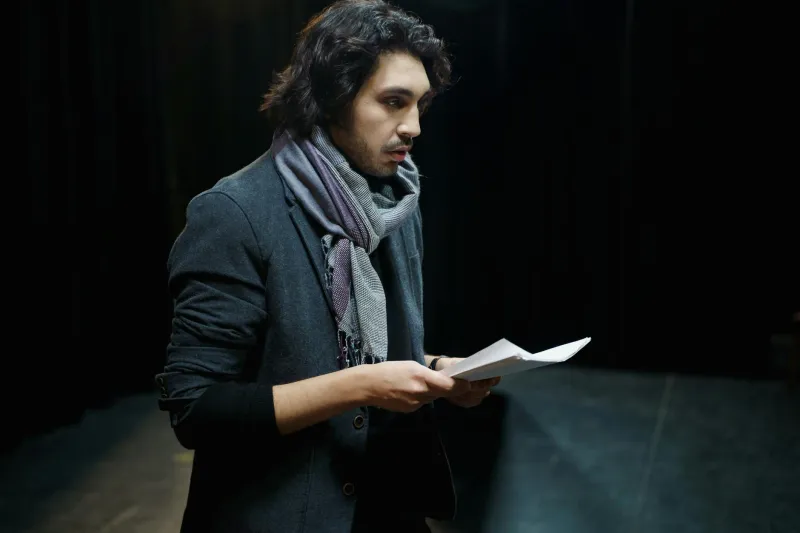
On a dreary Tuesday evening in Weybridge, Margaret Thornfield transforms from a mortgage broker into Lady Macbeth. In a draughty church hall that smells of instant coffee and decades of jumble sales, she delivers her sleepwalking soliloquy to an audience of fellow suburban refugees, each clutching scripts like lifelines to alternative selves.
This scene, replicated in countless venues across Britain, represents something far more profound than community theatre. Amateur dramatics societies—those bastions of village life once dismissed as the domain of the theatrically delusional—have quietly become the nation's most accessible form of therapy, offering middle-aged Britain a stage upon which to rehearse different versions of themselves.
The Great Suburban Escape
The statistics are telling: membership in amateur dramatics societies has surged by 23% since 2019, with the steepest increases among the 45-65 demographic. These aren't aspiring actors nursing West End dreams; they're accountants, teachers, and middle managers seeking something their carefully curated lives have failed to provide—permission to be dramatically, unapologetically different.
"I spend my days managing pension portfolios," explains David Hartwell, who recently portrayed Willy Loman in his local society's production of Death of a Salesman. "But for eight weeks of rehearsals and three nights of performance, I was someone whose failures mattered, whose struggles had meaning. It's oddly liberating to inhabit someone else's tragedy."
This sentiment echoes across Britain's amateur theatre landscape, from the Harrogate Players to the Exeter Little Theatre Company. Directors report that casting sessions have become less about finding talent and more about matching psychological needs to dramatic roles. The accountant yearning for emotional release gravitates toward Shakespeare's tormented kings; the overworked GP finds solace in playing Chekhov's melancholy physicians.
Rehearsal Room Confessions
What emerges in these rehearsal spaces is something approaching group therapy, albeit disguised as artistic endeavour. The process of inhabiting another character provides a socially acceptable framework for exploring emotions that polite British society typically suppresses.
"There's something about hiding behind a character that makes people brave," observes Sarah Chen, director of the Thames Valley Drama Society. "I've watched reserved bank managers discover they can express rage through King Lear, seen timid housewives find their voice playing strong-willed heroines. The character becomes a mask that paradoxically reveals their true selves."
The rehearsal room dynamic creates an unusual social space where normal hierarchies dissolve. The senior partner at a law firm takes direction from a retired librarian; the headmistress learns vulnerability from a part-time shop assistant playing Blanche DuBois. These temporary inversions of social order provide something increasingly rare in modern Britain: genuine community unmediated by professional networking or class anxiety.
The Performance of Authenticity
Yet there's an inherent contradiction in seeking authenticity through performance. These societies attract people fleeing the performative aspects of modern professional life, only to embrace a different kind of performance entirely. The difference, perhaps, lies in agency—choosing which mask to wear rather than having it imposed by corporate culture or social expectation.
The appeal extends beyond individual transformation to collective catharsis. Audiences at amateur productions aren't seeking theatrical excellence; they're witnessing their neighbours and colleagues attempt emotional honesty on stage. There's something profoundly moving about watching someone you know from the school run deliver Hamlet's soliloquy with genuine feeling, however imperfect their technique.
Beyond the Footlights
The broader implications extend into Britain's cultural landscape. As professional theatre becomes increasingly expensive and London-centric, amateur dramatics societies preserve theatrical tradition at grassroots level. They keep alive plays that commercial theatre abandons, maintaining cultural continuity through community participation rather than passive consumption.
Moreover, these societies create social bonds that transcend typical British reserve. The intimacy required for theatrical collaboration—learning lines together, sharing stage fright, celebrating opening nights—forges connections that persist beyond the final curtain call.
The Final Act
Perhaps the most telling aspect of Britain's amateur dramatics renaissance is its timing. As digital connectivity promises to bring us closer together whilst leaving many feeling more isolated than ever, these analogue spaces offer something irreplaceable: the chance to be seen, heard, and understood in three dimensions.
In an age of curated social media personas and professional LinkedIn profiles, amateur dramatics provides the last refuge for emotional messiness, creative risk-taking, and the fundamental human need to play. Whether consciously therapeutic or not, these societies offer something that Britain's middle-aged masses desperately need: a stage upon which to audition different versions of themselves, knowing that whatever happens, the curtain will eventually fall, the lights will dim, and they can return to their ordinary lives somehow changed.
The accountant becomes Lady Macbeth, if only for a moment. And perhaps that moment is enough.