The Ritual We Thought We'd Buried
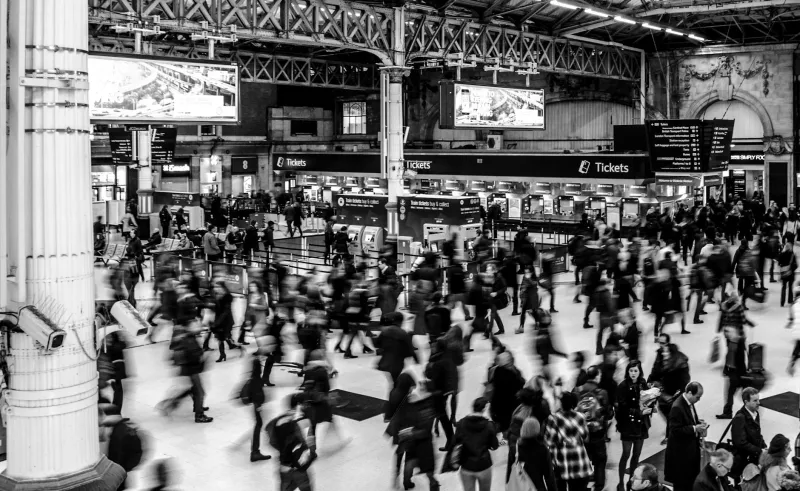
At 7:47 AM on a Tuesday morning at King's Cross Station, the resurrection is complete. The concourses teem with the returning faithful—laptop bags slung across shoulders, takeaway coffee cups clutched like talismans, faces bearing the particular expression of people performing a ritual they had hoped never to perform again. The Great British Commute, declared dead during the pandemic years, has risen from its temporary grave with all the inexorable force of a zombie apocalypse.
Yet this is not simply a return to the status quo ante. The millions of workers now filing back onto delayed trains and into open-plan offices are not the same people who fled them in March 2020. They have been fundamentally altered by their years of liberation, and the psychological whiplash of returning to pre-pandemic patterns of work and life is proving more profound than anyone anticipated.
What we are witnessing is not merely the restoration of old routines, but a collision between two incompatible versions of British identity: the one forged in kitchen-table offices and spare-bedroom meeting rooms, and the older one that defined itself through the shared suffering of the morning rush.
The Identity Crisis of the Kitchen Table Professional
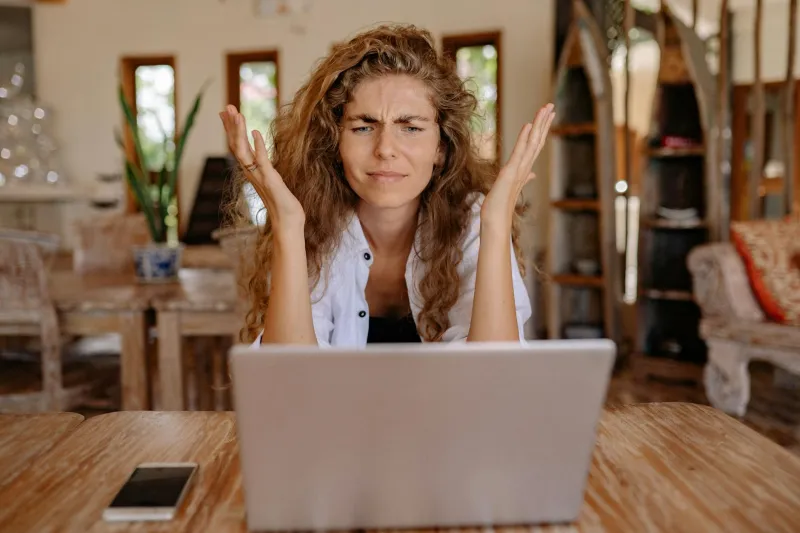
For three years, millions of British workers constructed entirely new versions of themselves. They became the sort of people who could conduct board meetings in pyjama bottoms, who knew their postman's first name, who could pop out for a midday walk without requesting permission from anyone. They learned to work in natural light, to eat lunch at actual lunchtime, to exist as whole human beings rather than corporate avatars.
This was not merely a change in working arrangements; it was a fundamental reconstruction of identity. The kitchen table professional was a different species entirely from their office-bound predecessor—more autonomous, more integrated, more humane. They had escaped what the French philosopher Marc Augé called "non-places"—those anonymous, interchangeable spaces that define modern life—and had rediscovered the profound psychological benefits of working in a place that actually belonged to them.
Now, suddenly, they find themselves thrust back into fluorescent-lit open-plan offices, hot-desking beside colleagues they barely recognise, queuing for coffee machines that never quite work properly. The cognitive dissonance is overwhelming. How do you reconcile the person you became—autonomous, flexible, integrated—with the person you are expected to be: present, visible, collaborative in all the old, prescribed ways?
The Commute as Class Warfare
The return to office has also reignited Britain's eternal class tensions in unexpected ways. The pandemic years created a brief, illusory equality of domestic working conditions—everyone, from CEOs to junior executives, was logging in from their spare bedrooms, dealing with delivery drivers and barking dogs during video calls. But the commute has restored the old hierarchies with brutal efficiency.
Those who can afford to live within cycling distance of central London have resumed their routines with minimal disruption. Those condemned to the outer reaches of the commuter belt find themselves spending three hours a day on increasingly expensive and unreliable public transport, their quality of life dramatically diminished for the sake of "collaboration" and "company culture."
The irony is particularly acute for those who moved further from cities during the pandemic, trading expensive urban flats for suburban houses with gardens, assuming that remote work would be permanent. They now find themselves in a form of geographical purgatory—too far from the office to commute comfortably, too invested in their new lives to simply move back.
The Mythology of Serendipitous Collaboration
The corporate justification for this forced return relies heavily on the mythology of serendipitous collaboration—the idea that innovation happens primarily in corridors and by coffee machines, through the random collisions of creative minds. This narrative conveniently ignores the mountain of evidence suggesting that most office interactions are neither serendipitous nor collaborative, but rather performative displays of busyness designed to satisfy managers who equate visibility with productivity.
The real motivation, though rarely acknowledged, is far more primitive: the deep managerial anxiety about worker autonomy. The pandemic years proved that most office jobs could be done more efficiently from home, but they also revealed that workers, given the choice, would choose freedom over corporate culture every time. The return-to-office mandate is not about productivity; it is about reasserting control over workers who had briefly tasted independence.
The Tyranny of Presence
What emerges from this forced resurrection is a new form of workplace tyranny: the tyranny of presence. Workers are required not merely to complete their tasks, but to be seen completing them, to participate in the elaborate theatre of office life, to demonstrate their commitment through physical proximity rather than actual achievement.
This represents a fundamental regression in our understanding of work itself. The pandemic years had begun to shift the focus from time served to value created, from presence to performance. The return-to-office mandate reverses this progress, reinstating the industrial-era assumption that workers cannot be trusted to be productive unless they are under direct surveillance.
The psychological impact is profound. Workers who had learned to structure their days around their own rhythms and energy levels now find themselves once again subjugated to the arbitrary rhythms of corporate life—the morning rush, the lunch hour, the evening exodus. They have been reduced from autonomous professionals to supervised employees, and the downgrade is as demoralising as it is unnecessary.
The Commuter's Lament
Perhaps most poignantly, the return to commuting has reminded us of everything we had forgotten about this peculiar British ritual. The morning train is a moving monument to collective resignation—hundreds of people engaged in the same pointless journey, each pretending not to notice the others, each silently calculating the hours of their lives being consumed by this necessary but meaningless transit.
The commute is time stolen from life itself—time that could be spent with family, pursuing interests, simply being human rather than merely professional. Its restoration represents not progress but regression, a retreat from the more humane working arrangements that the pandemic had briefly made possible.
Towards a More Humane Future
The tragedy of Britain's return-to-office mandate is not that it has restored old inequalities and inefficiencies—though it has done both—but that it represents a failure of imagination. We had glimpsed a different way of working and living, one that treated employees as complete human beings rather than corporate resources. Instead of building on this progress, we have chosen to retreat to the familiar miseries of the pre-pandemic world.
The commute will continue, the offices will fill, and the great experiment in humane working will fade into memory. But something has been lost in this resurrection—not just individual autonomy and quality of life, but a broader sense of what work could be if we had the courage to reimagine it entirely. The kitchen table professional may be extinct, but the memory of what they represented—the possibility of integration, autonomy, and dignity in working life—will endure as a reproach to everything we have chosen to restore.