The Sound of Silence
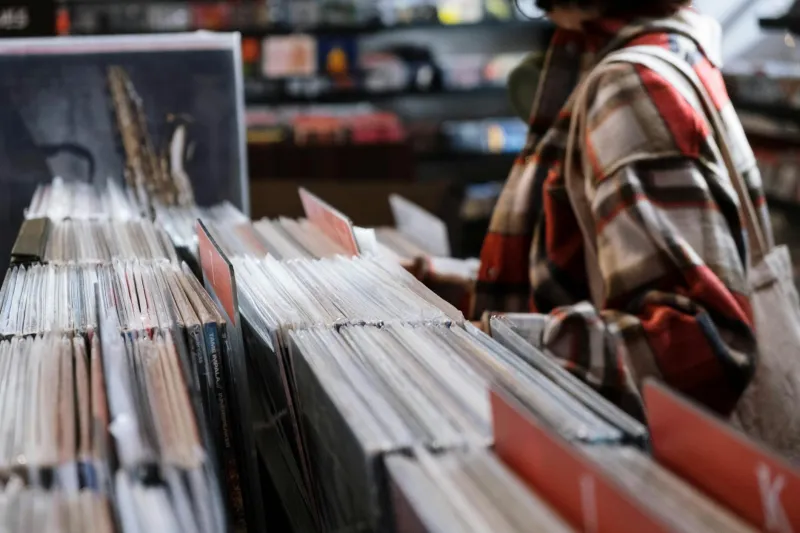
Walk down any high street in Brighton, Bristol, or Brixton, and you'll likely encounter the familiar sight: a beautifully curated record shop, its windows adorned with carefully selected vintage album covers, perhaps a chalkboard announcing the arrival of limited-edition pressings. Inside, browsers flip through pristine vinyl whilst indie folk plays softly overhead. It's a picture of cultural renaissance—or so we're told.
The narrative surrounding Britain's record shop revival has been overwhelmingly triumphant. After the digital apocalypse of the early 2000s decimated independent music retailers, the resurgence of vinyl sales—up 1,800% since 2007—seemed to herald a return to tactile, communal music consumption. Record Store Day, launched in 2008, positioned itself as the saviour of musical culture, drawing queues of enthusiasts to celebrate the format that streaming couldn't kill.
Yet beneath this feel-good story lies a more complex reality: the transformation of record shops from democratic spaces of musical discovery into lifestyle boutiques that cater primarily to those with disposable income and cultural capital to burn.
The Price of Authenticity
The mathematics of modern vinyl consumption tell their own story. Where a CD might cost £10-12, vinyl albums routinely retail for £25-30, with limited editions reaching £40 or more. This isn't merely inflation; it's a fundamental shift in who can afford to participate in physical music ownership. The teenager saving pocket money for the latest Arctic Monkeys release—a staple of record shop culture throughout the 1990s—has been priced out of the market.
This economic barrier has profound cultural implications. Record shops once served as informal universities for musical education, places where seasoned collectors mentored newcomers and obscure gems sat alongside chart hits. Today's vinyl buyers are increasingly adults with significant purchasing power, treating records as lifestyle accessories rather than gateways to musical exploration.
The transformation is visible in shop layouts themselves. Where once you might find bins of second-hand records priced for quick turnover, many contemporary record shops resemble art galleries: sparse, aesthetically pleasing displays where each album is presented as a collectible object. The emphasis has shifted from quantity and discovery to curation and presentation—from music as passion to music as décor.
The Gentrification Soundtrack
Record Store Day, whilst celebrated as a grassroots movement, has inadvertently accelerated this commodification. The event's focus on limited-edition releases and special pressings has created an artificial scarcity economy that benefits collectors and speculators over casual music fans. Queues form not for musical discovery but for investment opportunities, with rare releases immediately appearing on eBay at inflated prices.
This dynamic mirrors broader patterns of urban gentrification. Independent record shops, once indicators of a neighbourhood's artistic authenticity, now serve as harbingers of its commercial transformation. Their presence signals to property developers and lifestyle brands that an area has achieved the right balance of cultural cachet and purchasing power.
The irony is profound: the very success of the vinyl revival threatens to undermine the egalitarian musical culture it purports to celebrate. As record shops become increasingly upmarket, they risk losing their role as community hubs where musical knowledge is shared across class and generational lines.
Digital Disruption, Analogue Nostalgia
The streaming revolution has fundamentally altered how we discover and consume music, making the physical record shop's traditional role as cultural gatekeeper largely obsolete. Spotify's algorithms can introduce listeners to more new music in a week than they might encounter in months of record shop browsing. Yet rather than adapting to this reality, many record shops have retreated into nostalgia, selling not just music but the idea of a more authentic relationship with culture.
This nostalgia market is lucrative but limited. It depends on customers who remember or romanticise an era when physical music purchases were necessary rather than optional. As that demographic ages and younger listeners remain primarily digital, the long-term sustainability of vinyl-focused retail becomes questionable.
Beyond the Groove
The challenge facing Britain's record shops isn't simply economic but existential. Can these spaces evolve beyond their current incarnation as boutiques for the culturally privileged? Some shops are experimenting with hybrid models: hosting live performances, offering music lessons, or partnering with local artists to create genuine community engagement.
The most successful examples recognise that their value lies not in selling expensive objects but in fostering musical communities. They understand that the future of physical music retail depends on accessibility and inclusivity rather than exclusivity and curation.
The vinyl revival's greatest tragedy isn't that it failed to save record shops—it's that it succeeded in transforming them into something many music lovers can no longer afford to access. In celebrating the resurrection of these cultural institutions, we must also confront the uncomfortable reality that they may be returning as monuments to inequality rather than democracy.
The question isn't whether vinyl will survive—it clearly will, as a premium product for affluent consumers. The question is whether the spirit of musical discovery and community that made record shops culturally vital can survive their transformation into lifestyle boutiques. On that verdict, the jury remains very much out.