Borrowed Elegance: Britain's New Addiction to Never Quite Owning Anything
The Wardrobe That Never Quite Belongs
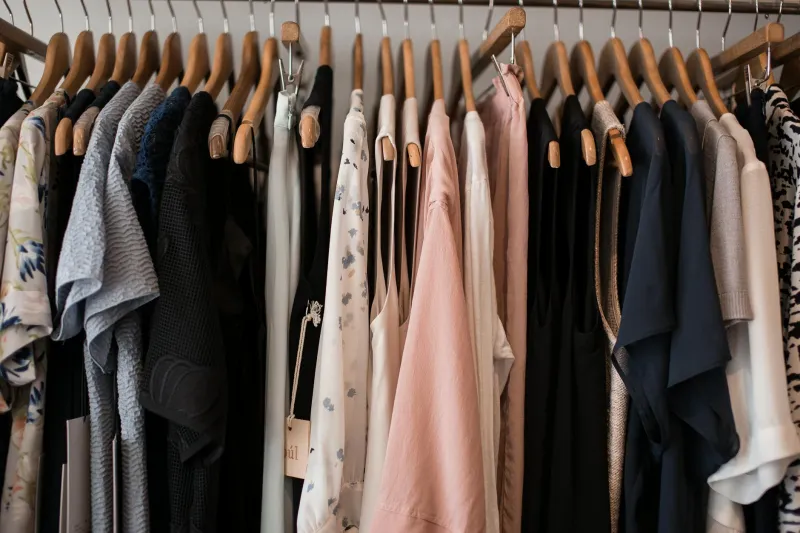
In a converted warehouse in East London, rows of pristine designer dresses hang like promises waiting to be temporarily fulfilled. This is the headquarters of one of Britain's fastest-growing fashion rental services, where a £3,000 Stella McCartney gown can be yours for a weekend—provided you return it Monday morning, dry-cleaned and guilt-free.
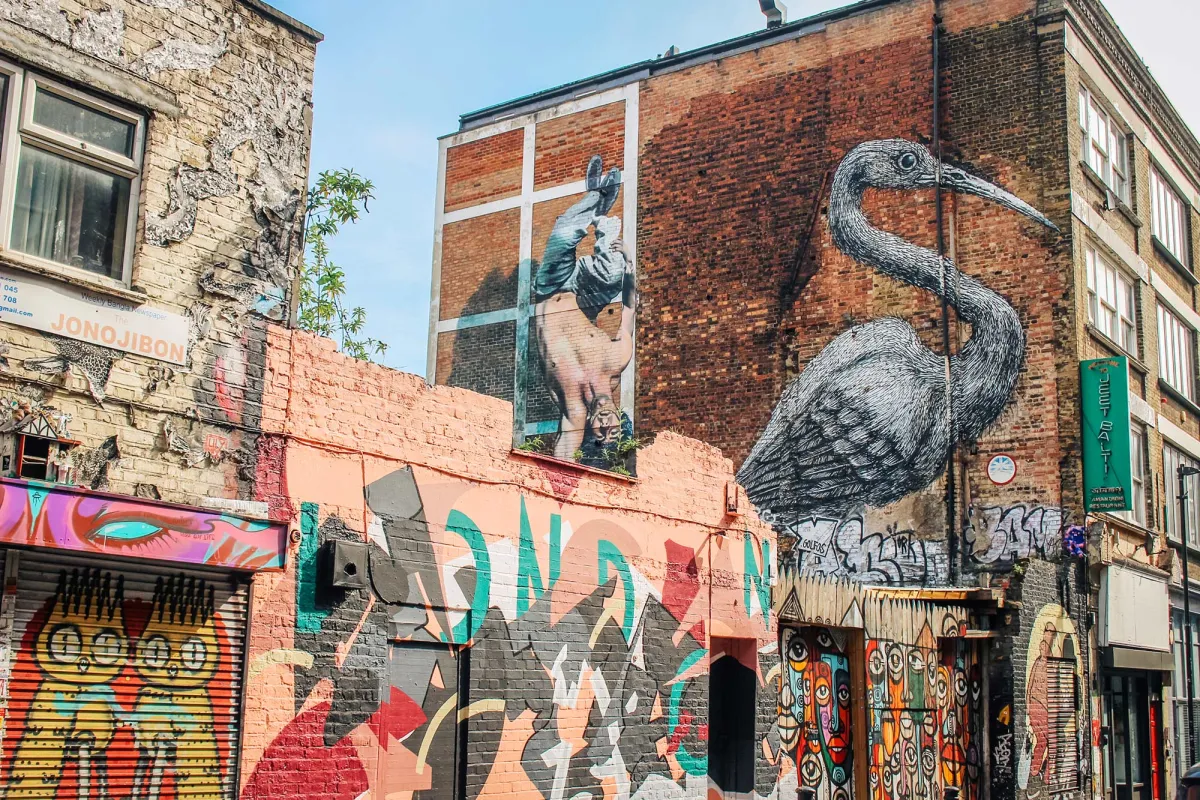 Photo: East London, via www.cktravels.com
The woman browsing the rails today, a marketing executive from Clapham, runs her fingers along fabrics she could never afford to own outright. "It's brilliant, really," she explains, selecting a Ganni dress for an upcoming wedding. "I get to wear something special without the commitment. Or the wardrobe space. Or the buyer's remorse."
Her casual mention of "commitment" reveals something profound about Britain's relationship with material possessions in 2024. We have become a nation of temporary custodians, renting our way through life's significant moments whilst convincing ourselves this represents progress.
The Democracy of Aspiration
The rental fashion economy promises democratisation—access to luxury without the traditional barriers of wealth or storage space. Services like Hurr, By Rotation, and ROTARO have transformed British wardrobes into revolving doors of borrowed sophistication. For the price of a decent dinner, one can inhabit the aesthetic of the upper middle classes for precisely as long as required.
Yet this apparent liberation comes with its own subtle tyrannies. The rental economy demands constant performance, endless refreshment of one's visual identity. The pressure to appear perpetually curated has simply shifted from ownership to access, from having the right things to constantly sourcing them.
Consider the modern British wedding guest, scrolling through rental apps with the dedication once reserved for house-hunting. The old anxiety of "Will someone else be wearing the same dress?" has evolved into "Will the dress arrive on time, fit properly, and photograph well enough to justify the rental fee and insurance excess?"
The Sustainability Mirage
The industry wraps itself in environmental virtue, and there is genuine merit to sharing resources rather than accumulating them. A single designer dress, worn by dozens of women across its lifetime, surely represents better resource allocation than thirty dresses hanging unworn in thirty different wardrobes.
But scratch beneath this green veneer and more complex truths emerge. The carbon footprint of constant courier deliveries, the chemical intensity of industrial dry-cleaning, the planned obsolescence built into a system that profits from perpetual dissatisfaction—these factors complicate the sustainability narrative considerably.
More troubling still is how rental culture may actually accelerate consumption. When the financial barrier to trying new styles disappears, the psychological barrier often follows. The rental customer, freed from ownership's constraints, may cycle through more looks in a month than she once bought in a year.
The Performance of Prosperity
Britain has always been a nation obsessed with class signalling through dress, but rental fashion has introduced a new category: the temporary aristocrat. Social media feeds now showcase lifestyles that exist only in rented moments—the perfect dress for the perfect event, returned before the credit card bill arrives.
This performative prosperity reflects deeper anxieties about economic precarity. In an era where home ownership feels increasingly fantastical and career security has become a nostalgic concept, perhaps renting one's identity represents an honest acknowledgement of life's temporary nature. Why commit to owning clothes when nothing else in life feels permanent?
The rental wardrobe becomes a metaphor for modern British existence: perpetually aspirational, environmentally conscious, financially precarious, and ultimately hollow. We have access to everything and ownership of nothing, curating identities as temporary as the clothes that create them.
The Intimacy of Ownership
What we lose in this transaction extends beyond mere possession. Ownership, for all its environmental costs, creates intimate relationships with objects. The dress that saw you through your first job interview, the jacket inherited from your mother, the shoes worn to your wedding—these items accumulate meaning through time and experience.
Rental fashion, by contrast, offers only surface relationships. The borrowed dress may photograph beautifully, but it carries no history, no emotional weight, no connection to the wearer's journey. In optimising for access and sustainability, we may be sacrificing something essentially human: the ability to form lasting attachments to the objects that accompany our most significant moments.
The Future of Never Having
As Britain continues its drift towards an access-based economy—renting cars, streaming entertainment, leasing office space, subscribing to software—the rental wardrobe feels less like innovation and more like inevitability. We are becoming a nation of perpetual borrowers, optimising for flexibility whilst sacrificing the grounding that comes from truly owning anything at all.
Perhaps this represents maturity, a sophisticated understanding that possessions cannot provide lasting satisfaction. Or perhaps it signals something more concerning: a society that has given up on permanence entirely, content to drift through borrowed experiences in borrowed clothes, never quite committing to anything, never quite belonging anywhere, always ready to return what we never really had and move on to the next temporary arrangement.
The rental wardrobe, ultimately, may be the perfect metaphor for modern British life: elegant, sustainable, accessible, and utterly impermanent.