Hampers of Hope: The Peculiar British Ritual of Eating Outdoors Against All Odds
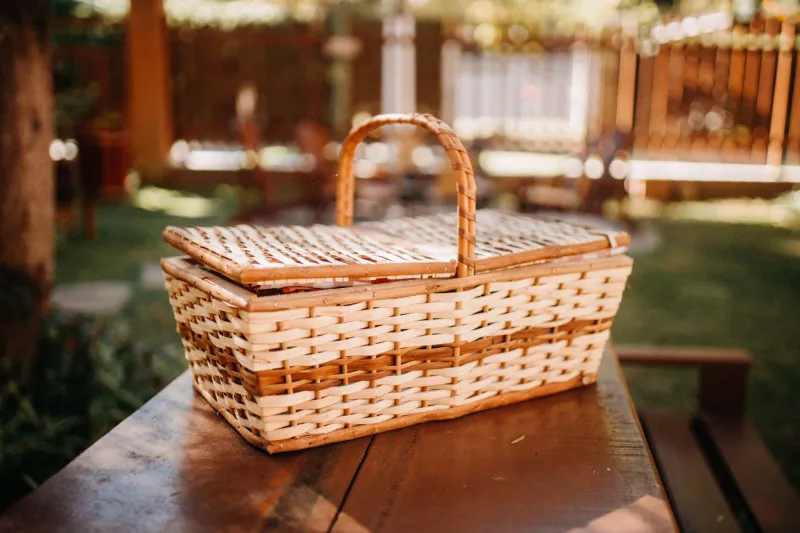
There is a moment, familiar to virtually every person raised on these islands, when the weather does something unforgivable. The rug has been laid. The prosecco is breathing. The Scotch eggs — wrapped in cling film with the optimism of a lottery ticket — have been arranged on a wooden board. And then the sky, which had been performing a creditable impression of late-May benevolence, simply closes in. The clouds do not so much gather as materialise, as though summoned by the very act of outdoor eating. A fine drizzle begins.
And yet nobody moves.
This is the essence of the British picnic: an act of meteorological defiance so deeply embedded in the national psyche that no amount of empirical evidence has managed to dislodge it. We pack our hampers. We drive to our fields. We eat our slightly warm brie in conditions that a sensible European would classify as inclement. And we insist, with a fervour that borders on the theological, that we are having a wonderful time.
The Pastoral Fantasy and Its Discontents
The British relationship with outdoor eating is inseparable from a broader mythology of the countryside — a fantasy of pastoral ease that the English middle classes have been cultivating, with varying degrees of sincerity, since at least the Romantic period. The picnic is, at its core, an act of imaginative projection: we are not eating a supermarket couscous salad on a damp municipal verge; we are characters in a Constable painting, reclining in golden light beside a river that has conveniently forgotten to be brown.
This fantasy has always been available in different price brackets. At one end of the spectrum sits Glyndebourne, where the interval picnic has been elevated to a competitive art form requiring months of preparation, a Fortnum & Mason account, and the kind of folding table that costs more than most people's sofas. Couples in evening dress arrange their smoked salmon blinis with the focused intensity of set designers, watched by other couples who are doing precisely the same thing. The opera itself is almost incidental.
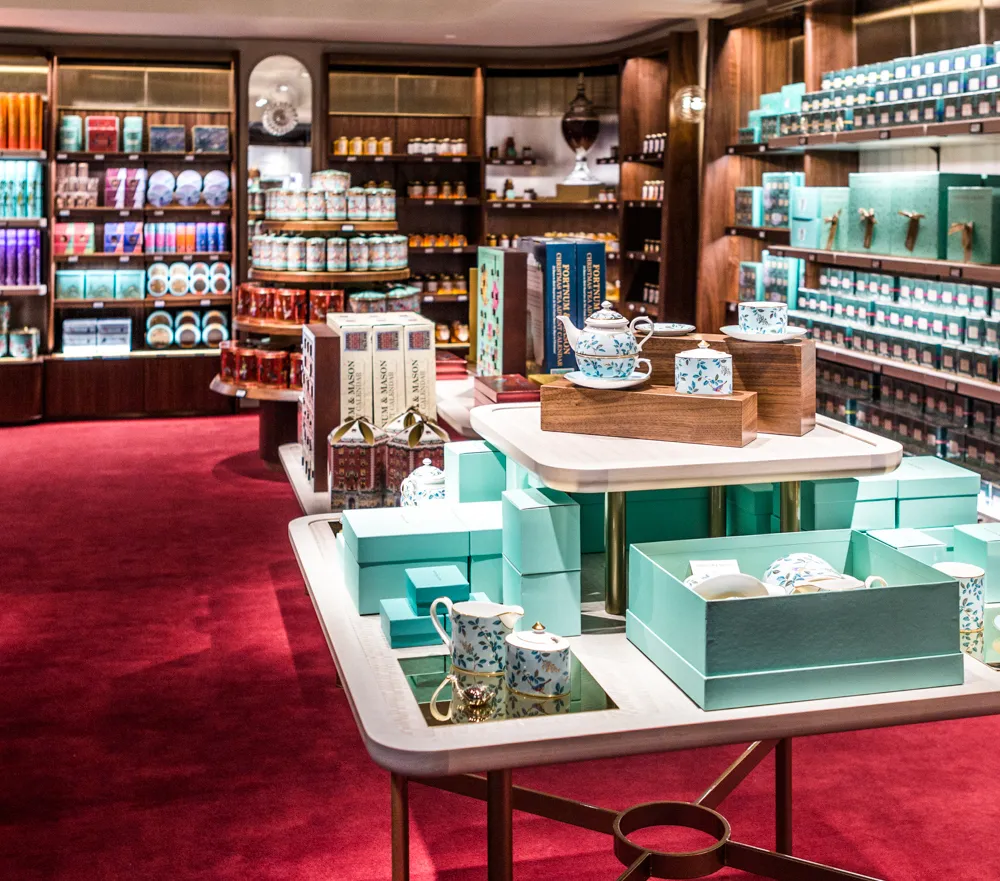 Photo: Fortnum & Mason, via www.thecityofldn.com
At the other end, there is the Tesco meal deal consumed on a plastic bench outside a motorway services, technically an outdoor meal if one squints philosophically. Between these poles lies the vast democratic middle ground of Britain's picnic culture: the National Trust car park flask of tea, the birthday gathering in a city park where someone always forgets the corkscrew, the beach picnic where half the sandwiches are consumed involuntarily with sand.
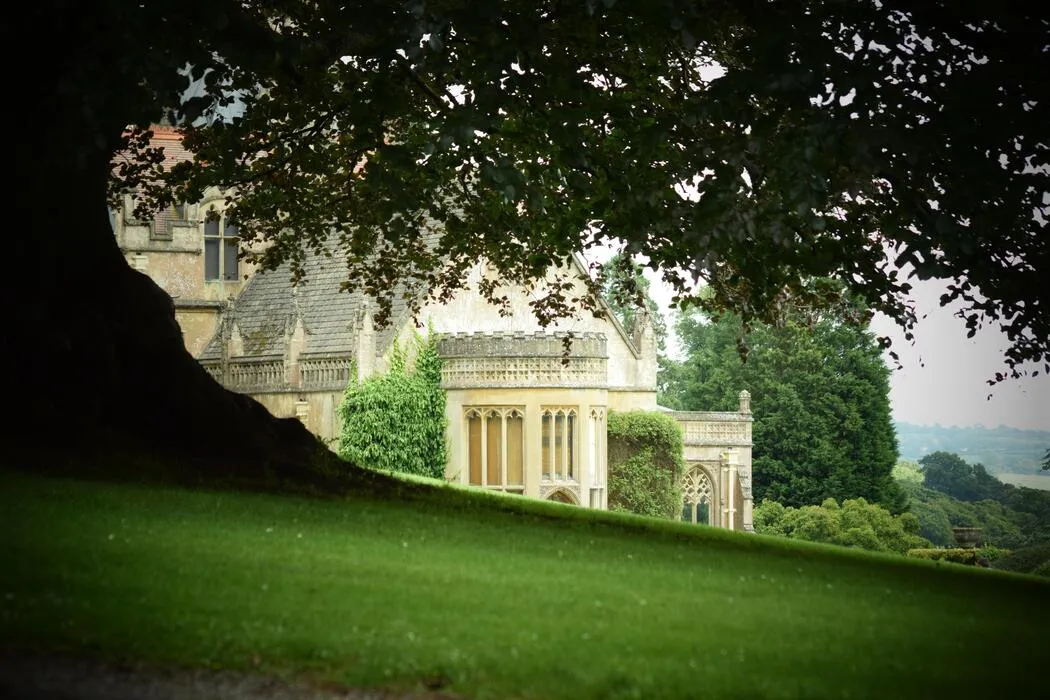 Photo: National Trust, via static.vecteezy.com
Class in a Hamper
If you want to understand British class anxiety in concentrated form, study the contents of a picnic basket. The shift from plastic containers to beeswax wraps, from supermarket own-brand crisps to artisanal hand-cooked varieties with names like 'Suffolk Sea Salt & Cider Vinegar', from a bottle of Pinot Grigio in a cool bag to a bottle of natural wine wrapped in a linen napkin — these are not merely consumer choices. They are declarations.
The picnic has become one of the more reliable social thermometers in contemporary Britain, precisely because it is voluntary and unregulated. Unlike a restaurant, where the menu does the social sorting, the picnic requires you to curate your own identity from scratch. Every item in that hamper is a considered choice, a signal transmitted to onlookers and fellow picnickers about who you are, who you aspire to be, and how seriously you take the business of leisure.
This is why the recent rise of the 'grazing board' picnic — that sprawling arrangement of charcuterie, cornichons, and artfully placed figs — is so revealing. It is not really about food at all. It is about demonstrating that one has the time, taste, and disposable income to treat an afternoon in the park as an aesthetic project. The Instagram photograph, taken before anyone is permitted to eat, is not a supplement to the experience. It is the point of it.
Nostalgia as Ingredient
There is something else at work in Britain's enduring love of the outdoor meal, something that predates Instagram and artisan charcuterie boards by several generations. The picnic is one of the few remaining rituals in British life that carries a genuinely collective nostalgic charge — a memory of childhood summers that almost certainly contained more rain than we remember, but which the imagination has retroactively bathed in amber light.
This is the picnic's most powerful and least examined function: it allows us to perform a version of childhood happiness for ourselves and our children, to enact a continuity with a simpler, slower Britain that may never have quite existed but which we nonetheless feel compelled to honour. The ritual of the packed lunch, the thermos, the folding chairs — these are not merely practical arrangements. They are acts of remembrance.
Which perhaps explains why the British picnic has proved so resistant to the kind of rational critique that would immediately expose it as a fundamentally absurd activity in a country where summer temperatures average somewhere between 'tolerable' and 'disappointing'. We do not picnic because it is comfortable. We picnic because it connects us to something we believe we once were, or might yet become: a people at ease in our own landscape, unhurried, convivial, and entirely unbothered by the weather.
The Honest Sandwich
Strip away the hamper theatre, the grazing boards, and the Glyndebourne peacocking, and what remains is something genuinely touching. The British picnic, at its most unvarnished, is an expression of hope — a belief, renewed each spring with remarkable tenacity, that this time the weather will hold, the ants will stay away, and the afternoon will unfold with the graceful ease that outdoor eating always promises and so rarely delivers.
That we keep trying, year after year, in the face of all available evidence, suggests something rather admirable about the national character. Or possibly something rather delusional. In Britain, the two qualities have always been difficult to tell apart.
Perhaps the most honest thing one can say about the great British picnic is this: it is less about eating than about believing. Believing that summer is real, that leisure is possible, that the landscape belongs to us as much as to anyone, and that a good sandwich, eaten in the open air, can still constitute a form of happiness. The basket is packed not with food but with faith.
The rain, when it comes, is simply the price of admission.