A Cuppa Before We Decide Anything: The Kettle as Britain's Last Unmanaged Space
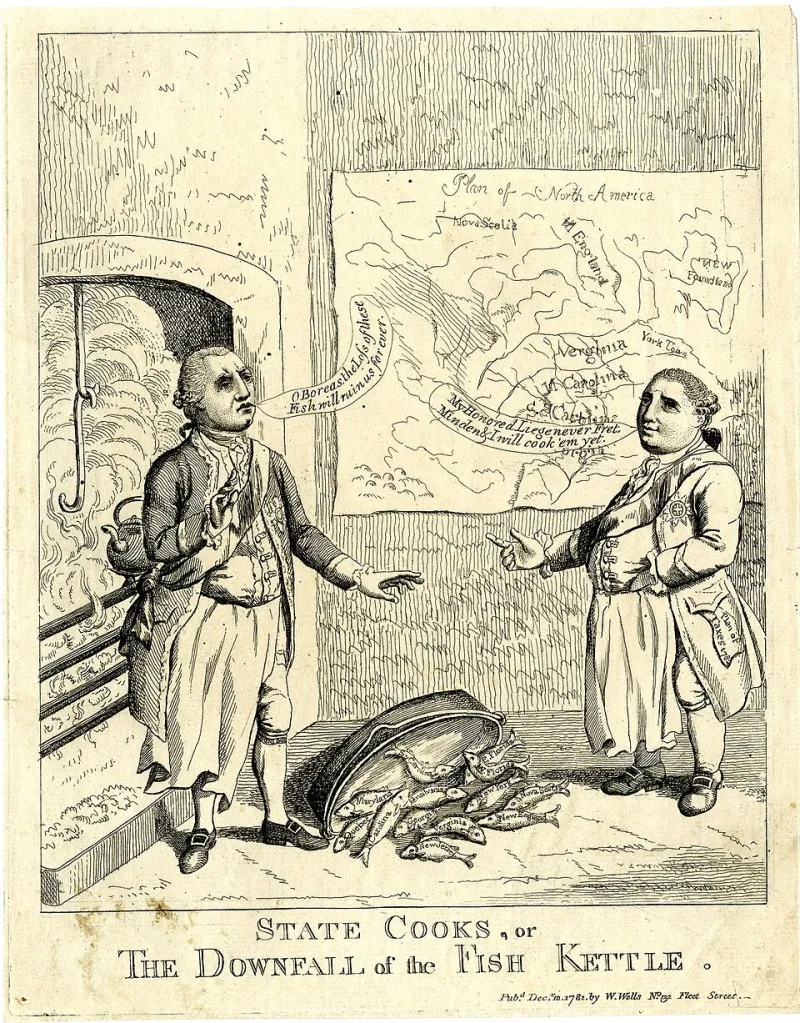
Photo: Unknown, Public domain, via Wikimedia Commons
There is a moment, familiar to every British household, when a conversation reaches its natural limit. A diagnosis has been discussed. A divorce has been hinted at. A son has announced he is leaving, or staying, or something worse. And then someone stands up, straightens the hem of their cardigan, and says the only words that still carry full civic weight in this country: 'I'll stick the kettle on.'
The Syntax of Sympathy
We are, by international consensus, a reserved people. Our emotional vocabulary has been pared back over centuries like a hedge by a gardener with strong opinions. But the offer of tea is not reserve. It is a full sentence in a language we have forgotten we speak fluently — a language of small, concrete acts performed in place of the words that would embarrass us to utter.
Consider what the ritual actually communicates. 'Would you like a cuppa?' translates, roughly, as: I have noticed your distress, I am not going to interrogate it, but I will not leave you alone with it either. No therapist's couch offers this precise contract. The tea itself is almost incidental — a prop, a warm object to cradle while the real business of sitting together quietly gets done. The two-minutes of waiting for the kettle is the genius of the thing: a sanctioned pause in which nobody is required to speak, and in which the person who most needs to speak usually does.
Against the Transactional Brew
It is tempting, and fashionable, to frame this as nostalgia — another candle in the window of a Britain that is dissolving. But the more interesting threat to the ritual is not decline; it is replacement. The coffee-to-go economy has taught a generation that a hot drink is a purchase, a personal preference, a flat white with oat milk to be carried out of the shop and into the rest of the day. The takeaway cup is a beverage with no obligations. Nobody has ever processed grief over a cappuccino they queued for alone.
The kettle, by contrast, is stubbornly communal infrastructure. It sits in the corner of the shared kitchen, unmoved by lifestyle branding. It cannot be personalised, sub-tweeted or optimised. It demands that somebody stay behind while it boils. In an economy that has monetised every remaining form of care — wellness apps, paid friendship apps, grief counselling by subscription — the brew remains the last service offered free at the point of emotional need.
Can a Ritual Survive Efficiency?
There are, admittedly, signs of erosion. Younger households increasingly own coffee machines that make the kettle redundant. The office tea round — that small daily act of unremunerated kindness — has been quietly abandoned in many workplaces, replaced by everyone's individual delivery app order. Even the phrase 'fancy a brew?' has a faintly vintage ring in some postcodes.
But rituals that survive do so not because they are efficient but because they are useful in ways nothing else is. The kettle will not outlast the culture because of the tea. It will outlast the culture because of the two minutes it buys us — the pause in which a British person can be honest without ever having to say so. Long may it boil.