Marrow Politics: What We're Really Growing Down the Allotment
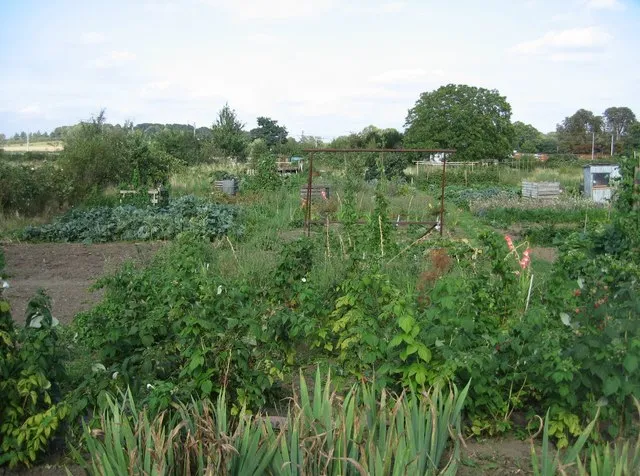
Photo: Sebastian Ballard, CC BY-SA 2.0, via Wikimedia Commons
The waiting list for a plot on my local allotment site now stands at four years. Four years — longer than most NHS referrals, longer than some marriages. When the secretary finally rang to say a half-plot had come free, the woman ahead of me on the list reportedly wept. This is not, whatever the seed catalogues suggest, a story about vegetables.
From Subsistence to Statement
The allotment was born of necessity and reform — Victorian concern about the moral dangers of the urban poor having nowhere to grow anything, enshrined in statute in 1908. For most of the twentieth century it did unglamorous work: supplementing the wage packet, feeding families through the war, giving retired men with strong opinions about onions somewhere to ventilate them. Nobody joined for the lifestyle content.
That has changed, and the evidence is at the gate. The modern waiting list is not filled primarily by the hard-pressed but by the professionally anxious — people who already run, cold-plunge and ferment, and who have arrived at the plot in expensive waterproofs seeking something the phrase 'grounded' does duty for. The allotment has become, for a certain kind of Briton, a personality you can cultivate in raised beds.
The Shed Parliament
Yet it would be too easy to mock. Spend a season on any site and you discover that the shed politics are real, intricate and oddly democratic. Committee meetings are fought with the bitterness of a general election and the stakes of a planning dispute over a water butt. The competition is quiet but total: the first early potatoes, the unblemished courgette, the marrow of such grotesque dimensions that it must be photographed and submitted to the village show like a candidate for honours.
And here is the thing the cynical reading misses: the one-upmanship is largely innocent, because it is measurable. You cannot bluff a marrow. The plot audits you weekly. It does not care about your job title, your followers or your intentions; it cares whether you turned up in March and whether you watered. In a culture where identity is performed and portable, the allotment offers the rare indignity of feedback.
The Harvest We're After
So are we growing food or identity? The honest answer is both, and always have been — the difference is that the middle class has now discovered what the working class knew all along: that a plot of land gives you a self you cannot rent. The danger is not the newcomers with their wildflower margins and their imported coffee. The danger is the slow conversion of sites into gated lifestyle assets, waiting lists monetised, plots priced beyond the pensioner whose fork-worn hands were the whole point.
The parcel plot has survived a century of upheaval by belonging to everyone and no one in particular. If we must grow an identity down the allotment, let it at least be one that keeps the gate open.