Static Returns: How Britain's Airwaves Became Our Antidote to Algorithm Fatigue
The Unexpected Renaissance
Something curious is happening in Britain's media landscape. While Netflix algorithms grow ever more sophisticated and Spotify's AI curates our every mood, radio listenership is experiencing an unlikely revival. The medium that pundits declared moribund in the streaming age has found new life precisely because it offers what digital platforms cannot: the radical democracy of not choosing.
RAJAR figures reveal that weekly radio reach has climbed to 89% of the adult population, with the most surprising growth among 15-24 year olds. These digital natives, supposedly addicted to TikTok's dopamine hits and YouTube's endless scroll, are increasingly tuning into Radio 1's afternoon shows and even—remarkably—Radio 4's The Archers.
The Comfort of Surrender
What draws this generation to a medium their parents assumed they'd abandoned? The answer lies in radio's fundamental proposition: passive consumption without the burden of curation. In an era where every cultural choice feels weighted with personal significance—your Spotify Wrapped as annual identity audit—radio offers blessed anonymity.
"There's something liberating about having no control," explains Dr Sarah Mitchell, a media researcher at King's College London. "Radio doesn't ask you to perform your taste or optimise your experience. It simply accompanies you."
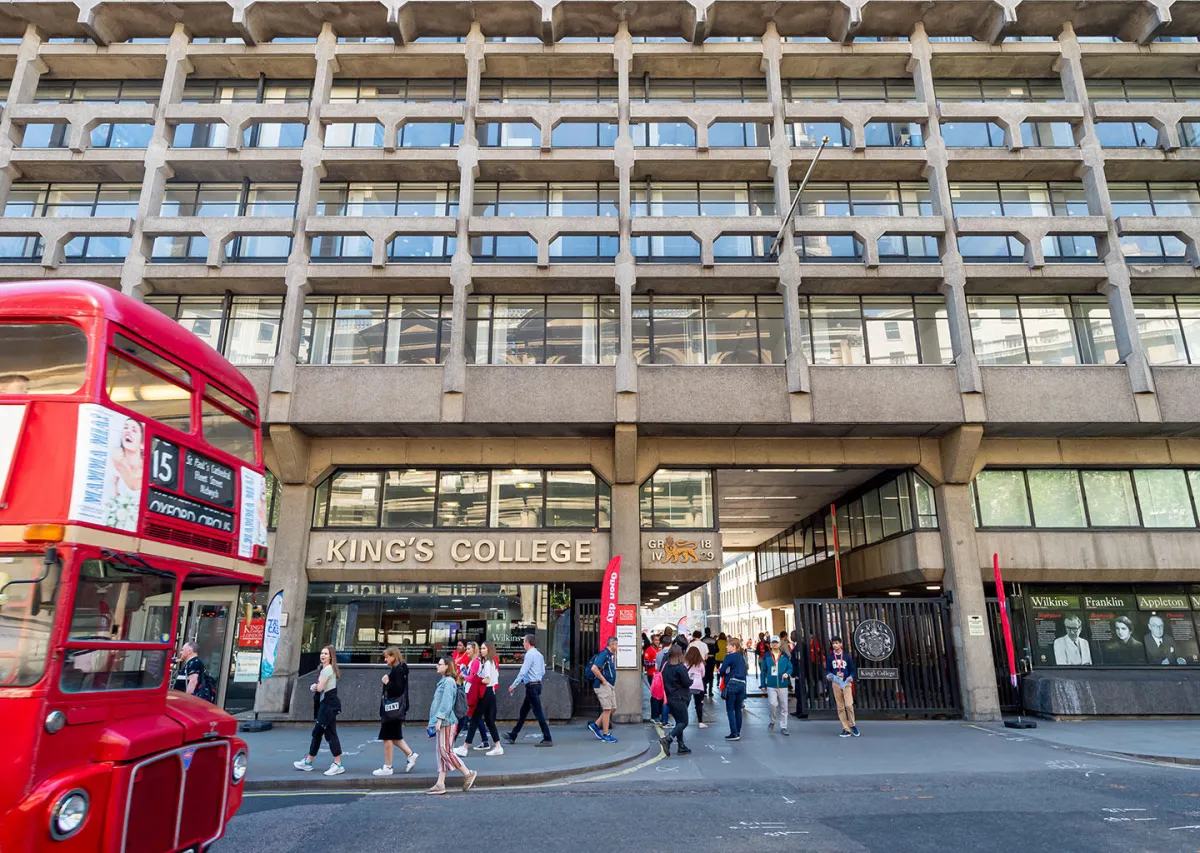 Photo: King's College London, via images-intl.prod.aws.idp-connect.com
This accompaniment has become particularly precious during Britain's working-from-home revolution. Where once office radio provided a shared soundtrack to collective labour, millions now rely on Radio 2's mid-morning chat or 6 Music's afternoon discoveries to populate empty flats with human voices. The presenter becomes an unwitting flatmate, their familiar cadences marking time in otherwise atomised days.
Local Voices, Universal Anxieties
Perhaps most tellingly, local radio is experiencing its own renaissance. Stations like BBC Radio London and independent operators across the country report growing engagement with phone-in programmes—those supposedly archaic forums where ordinary people air grievances about parking restrictions and reminisce about demolished pubs.
 Photo: BBC Radio London, via static.wixstatic.com
These conversations, unfiltered by algorithm or editorial intervention, offer something increasingly rare: unmediated human messiness. Callers ramble, contradict themselves, and occasionally achieve unexpected profundity. It's democracy in its rawest form, and for listeners accustomed to the polished performances of social media, it feels revolutionary.
"Local radio captures something we've lost," argues cultural critic James Davidson. "It's Britain talking to itself without trying to go viral."
The Serendipity Shortage
Behind radio's resurgence lies a deeper cultural hunger: the craving for serendipity. Streaming platforms, for all their convenience, have created what researchers term 'the paradox of infinite choice'—endless options that somehow feel limiting. Their recommendation engines, however sophisticated, can only extrapolate from existing preferences, creating echo chambers of algorithmic certainty.
Radio operates on different principles entirely. Its programming follows human logic rather than data patterns, mixing the familiar with the unexpected in ways that feel genuinely surprising. A Radio 6 Music listener might discover Malian blues between Arctic Monkeys tracks, not because an algorithm detected stylistic similarities, but because a human programmer sensed an emotional connection.
This curatorial sensibility extends beyond music. Radio 4's afternoon programming seamlessly blends serious journalism with gentle comedy, intellectual analysis with domestic drama. The juxtapositions feel arbitrary yet somehow inevitable—the product of editorial instinct rather than engagement metrics.
Shared Time, Separate Spaces
Radio's temporal structure provides another increasingly precious commodity: synchronised experience. In an on-demand culture where everyone watches different things at different times, radio creates accidental communities. Millions simultaneously hear the same news bulletin, share the same moment of musical discovery, laugh at the same presenter's aside.
This shared temporality matters more than its architects perhaps realise. When listeners text or tweet about radio moments, they're participating in something approaching collective experience—a pale echo of the mass media events that once unified national attention.
The Intimacy of Indifference
There's also something to be said for radio's emotional neutrality. Unlike podcasts, which demand active attention, or streaming services, which monitor every skip and replay, radio makes no claims on its audience's engagement. You can ignore it entirely or hang on every word; the medium remains indifferent to your level of investment.
This indifference paradoxically creates intimacy. Radio presenters speak to everyone and no one, creating the illusion of personal conversation without its social obligations. For a generation overwhelmed by the emotional labour of constant digital communication, radio offers companionship without expectation.
The Democracy of the Dial
Ultimately, Britain's return to radio represents a quiet rebellion against the atomisation of digital culture. In choosing the wireless, listeners are choosing to be surprised, to encounter voices and perspectives beyond their curated bubbles, to participate in the messy democracy of shared airwaves.
It's a medium that asks nothing of its audience except presence—no profile to optimise, no preferences to declare, no data to harvest. In our hyper-personalised age, such anonymity feels like luxury. The radio simply plays on, indifferent to whether anyone is listening, confident that someone always is.
In this confidence lies radio's enduring appeal: it continues to exist whether we're paying attention or not, like a faithful friend who doesn't take our distraction personally. For Britain's algorithmically exhausted masses, that's precisely the relationship they're seeking.