The Geography of Nostalgia: Britain's Quiz Night Obsession with Dead Empires
The Capital of Nowhere
"What is the capital of Ceylon?" The question hangs in the air of The George and Dragon on a Tuesday evening in Surbiton, met by the confident scribbling of middle-aged Britons who haven't thought about Sri Lanka in decades but somehow remember that Colombo was the answer their geography teacher wanted in 1987.
 Photo: Sri Lanka, via tropitecture.net
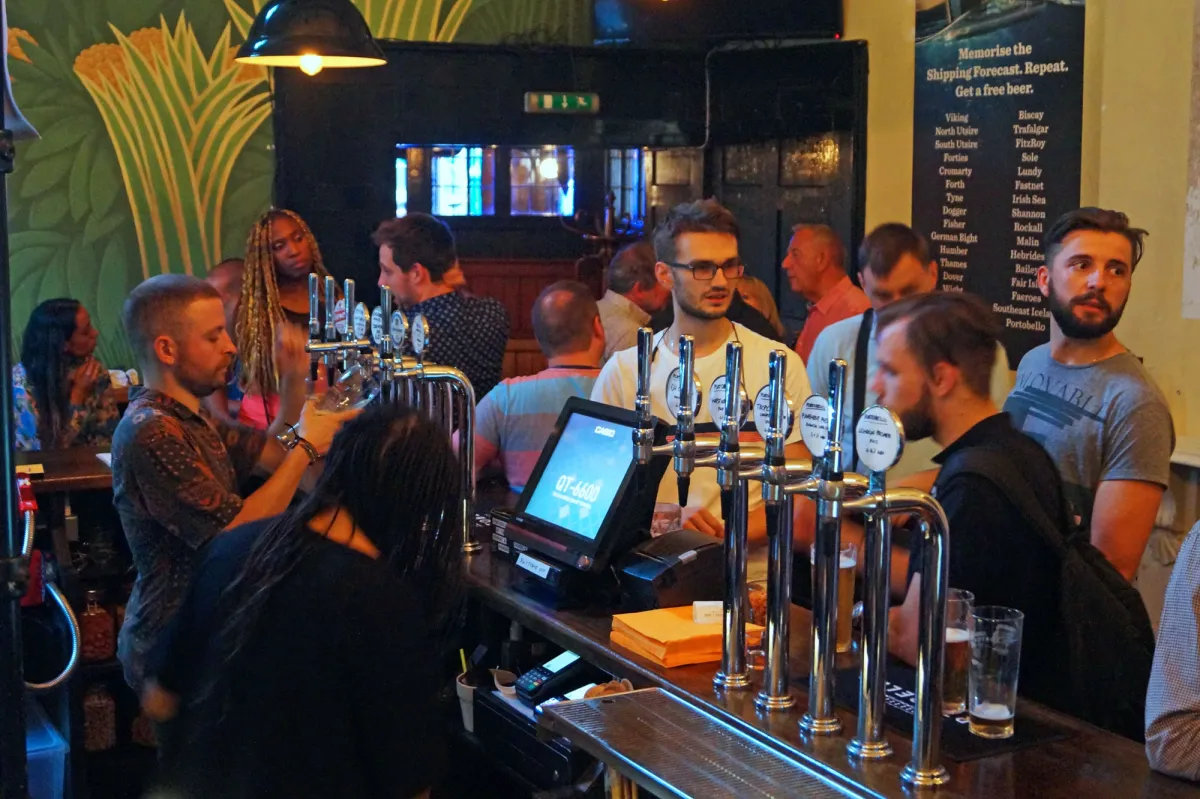 Photo: The George and Dragon, via georgeanddragonacton.co.uk
Ceylon, of course, ceased to exist as Ceylon in 1972. Yet in the parallel universe of British pub quizzes, it remains frozen in colonial amber, alongside British Honduras, Rhodesia, and a dozen other phantom territories that live on only in the collective memory of quiz night enthusiasts and the dusty atlases they learned from.
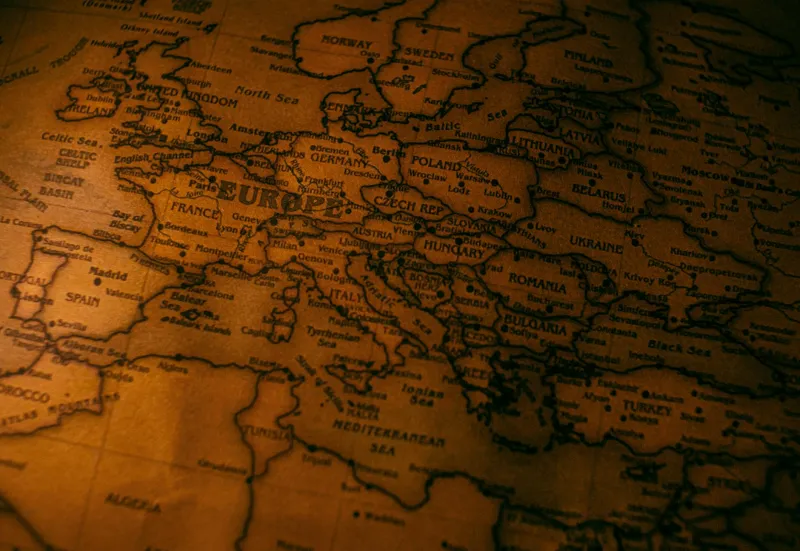
This is the peculiar geography of British general knowledge: a world map that stopped updating sometime around 1960, preserved in the amber of nostalgia and reinforced weekly in pubs across the nation.
The Persistence of Imperial Trivia
Walk into any British pub quiz and witness a remarkable phenomenon: rooms full of people who struggle to name their local councillor but can instantly recall that Lagos was the capital of Nigeria (it wasn't, technically, but try explaining that to a quizmaster armed with a 1970s encyclopedia). The same individuals who use GPS to navigate their own neighbourhoods possess an encyclopaedic knowledge of African capitals as they existed during the Macmillan administration.
This geographical time warp extends far beyond pub quizzes. British school curricula, television quiz shows, and casual conversation remain mysteriously fixated on the administrative centres of a vanished empire. Ask the average Brit to name the capital of Myanmar and watch them confidently answer "Rangoon"—a name that hasn't been officially used since 1989.
The persistence of this imperial atlas in British consciousness raises uncomfortable questions about how nations process the end of empire. Rather than updating our geographical knowledge to reflect contemporary reality, we have preserved a version of the world that flatters our historical importance whilst conveniently avoiding the complexities of post-colonial politics.
The Comfort of Dead Certainties
There is something deeply comforting about imperial geography for British quiz enthusiasts. These are facts that feel solid, unchanging, divorced from the messy realities of contemporary geopolitics. Knowing that the capital of Northern Rhodesia was Lusaka requires no understanding of modern Zambian politics, no engagement with the legacy of colonialism, no acknowledgement that the very question perpetuates a worldview that many would prefer to forget.
This nostalgic cartography offers the illusion of expertise without the burden of relevance. The British pub quiz has become a sanctuary where imperial knowledge retains its currency, where memorising the administrative divisions of the Raj still counts as cultural sophistication, where the sun never sets on our collective ability to recall colonial capitals.
Consider the absurdity: a generation of Britons who cannot name the current president of Nigeria but know with absolute certainty that its former capital was Lagos (even though Abuja has been the capital since 1991). This selective geographical literacy reveals a profound reluctance to engage with the world as it actually exists, preferring instead the simplicity of a world as it once was—or as we remember it being.
The Empire Strikes Back
British quiz culture's imperial obsession extends beyond mere nostalgia into active historical revisionism. Questions about "British India" or "British East Africa" present colonialism as a geographical exercise rather than a political project, reducing complex histories of exploitation and resistance to neat administrative divisions suitable for multiple-choice answers.
This sanitised version of empire appears not only in pub quizzes but in television shows like "University Challenge" and "Mastermind," where contestants are rewarded for memorising the boundaries of defunct colonial territories whilst contemporary African or Asian geography remains mysteriously absent from the question pool.
The result is a peculiar form of cultural imperialism: British quiz culture continues to colonise the past, insisting that our version of world geography—the one that made sense when we were in charge—remains the most important version to remember. We have created a parallel universe where the British Empire never ended, it simply became a trivia category.
The Cartography of Denial
This geographical nostalgia serves a deeper psychological function: it allows Britain to remember empire without confronting imperialism. By reducing colonial history to administrative trivia, we transform conquest into cartography, exploitation into education. The violence of empire disappears, leaving only the comforting certainty of capitals and boundaries.
The British pub quiz has become an unlikely venue for historical denial, where knowledge of imperial geography is celebrated whilst understanding of imperial consequences is conveniently absent. Participants can demonstrate their familiarity with colonial territories without ever acknowledging what colonialism actually meant for the people who lived there.
This selective amnesia extends to contemporary Britain, where politicians invoke the Commonwealth as if it represents voluntary association rather than historical coercion, where "Global Britain" is presented as innovation rather than nostalgia, where trade deals with former colonies are celebrated as partnerships rather than acknowledged as attempts to recreate economic relationships that once operated through force.
Updating the Atlas
The persistence of imperial geography in British culture reflects a broader inability to process the reality of post-imperial existence. We remain trapped in a mental map that no longer corresponds to our actual place in the world, clinging to geographical knowledge that reinforces fantasies of continuing relevance whilst avoiding the more challenging task of understanding our diminished but still significant role in contemporary global affairs.
Perhaps it is time for British quiz culture to undergo its own decolonisation. Instead of celebrating knowledge of defunct colonial capitals, we might reward understanding of contemporary African politics, Asian economics, or Latin American culture. Rather than preserving the geography of empire, we might embrace the more complex but ultimately more honest cartography of the post-colonial world.
Until then, the quiz nights continue, preserving a version of the world that exists nowhere except in British memory, where Ceylon still has a capital, where Rhodesia still appears on maps, and where the empire never truly ended—it simply became a trivia question, asked every Tuesday night in pubs across a nation still struggling to locate itself in the world it helped create.