The Museum of Missed Occasions: Britain's Perpetual Preparation for Life
The Waiting Room of Good Intentions
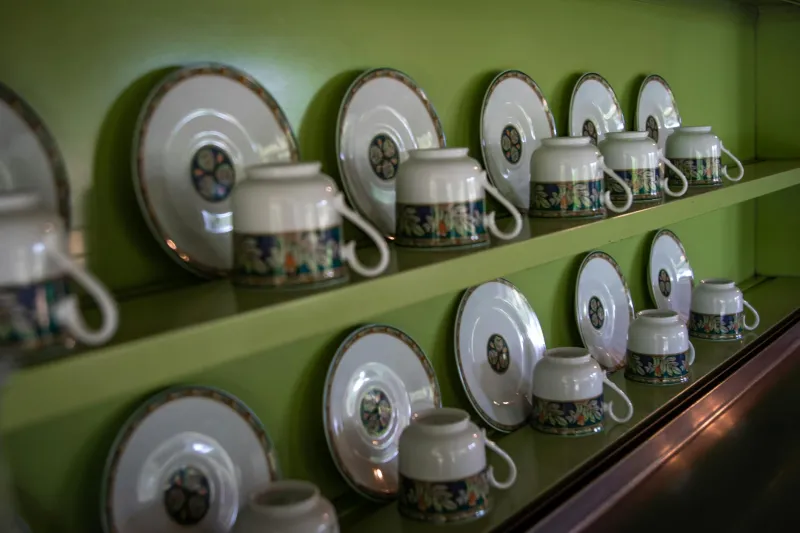
In the dining room of her semi-detached house in Chelmsford, Janet Morrison maintains what she calls "the good cabinet"—a mahogany display case inherited from her mother, housing twelve place settings of Royal Albert china that have never touched food. The pattern, American Beauty, features delicate pink roses that have remained pristine for thirty-seven years, waiting for an occasion sufficiently momentous to justify their liberation from tissue paper.
"Mother always said we'd use them for special dinners," Morrison explains, running a cloth over the cabinet's glass front. "Christmas, perhaps, or when the vicar came to tea. But Christmas became too hectic with the children, and the vicar turned out to prefer mugs. Now I'm not sure what would qualify."
Morrison's predicament reflects a peculiarly British form of domestic paralysis—the indefinite deferral of pleasure in service of some imagined future grandeur. Across the country, millions of households maintain similar shrines to occasions that somehow never arrive: the wedding dress preserved for a daughter who eloped, the crystal decanters saved for celebrations that never materialised, the silver cutlery that emerged briefly for the Queen's Jubilee before returning to its felt-lined exile.
The Archaeology of Aspiration
This phenomenon speaks to something deeper than mere materialism. The good china represents a complex negotiation between aspiration and reality, between the life we imagine we should live and the one we actually inhabit. It embodies a particularly British form of optimism—the belief that somewhere ahead lies an occasion worthy of our finest things.
Dr. Rebecca Matthews, a cultural historian at the University of Manchester, has spent years studying domestic ritual and material culture. "The good china functions as a kind of social insurance policy," she observes. "It promises that when the moment arrives—when we finally achieve the sophistication we aspire to—we'll be properly equipped. It's preparation for a performance of ourselves that we're not quite ready to give."
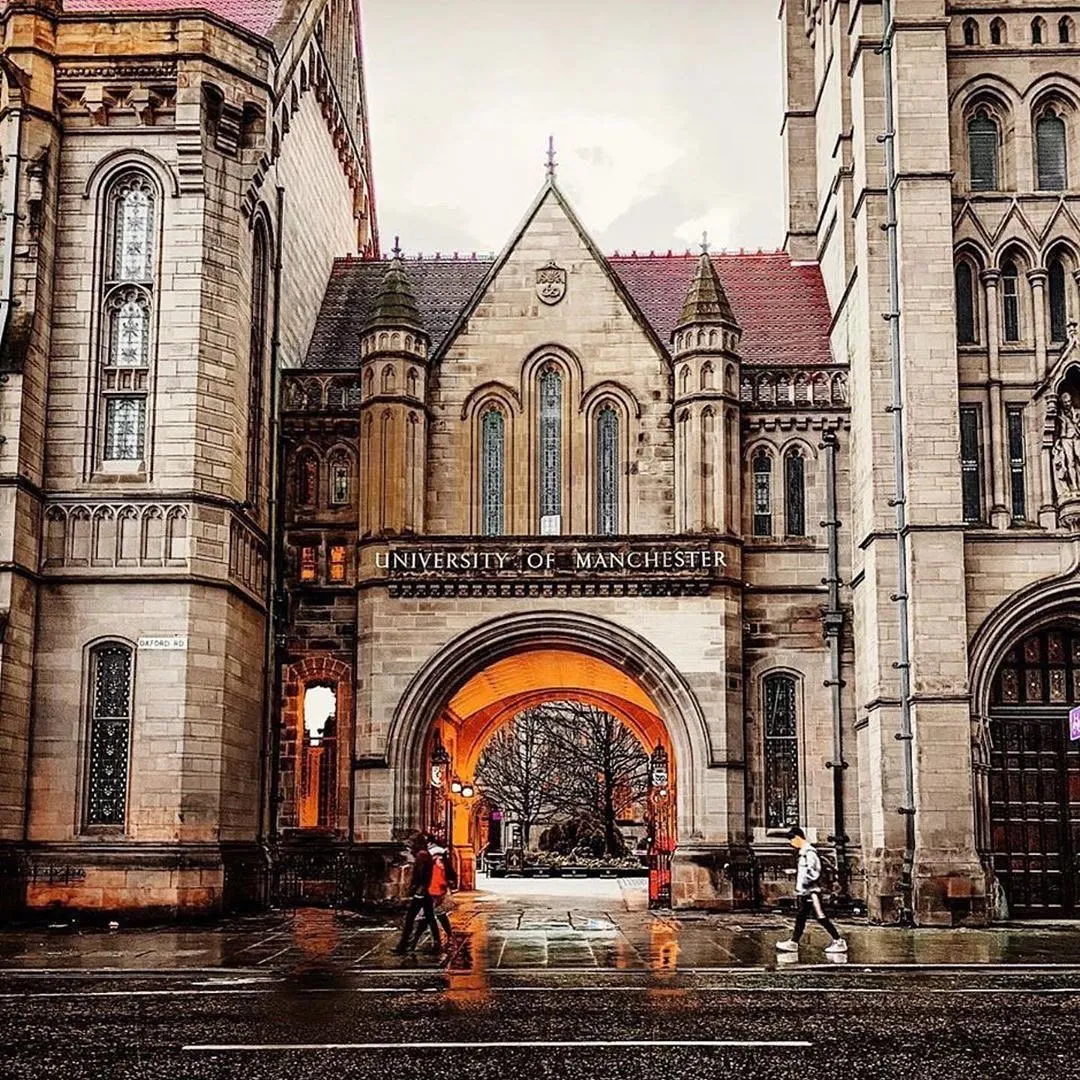 Photo: University of Manchester, via i.pinimg.com
This preparation often outlasts the preparers themselves. Estate sale specialists report that inherited china represents one of their most challenging categories—emotionally significant to families but commercially difficult to move. The secondary market overflows with barely used dinner services, their patterns frozen in time, testimonies to generations of deferred celebrations.
The Grammar of Occasion
The rules governing what constitutes a "good china occasion" remain largely unspoken but surprisingly consistent across British households. Christmas dinner qualifies, but only if hosting rather than visiting. Dinner parties merit consideration, but only for guests deemed sufficiently important—a calculus that often eliminates close friends (too informal) and distant acquaintances (too risky).
This creates a peculiar paradox: the people we care about most receive our everyday crockery, while strangers might glimpse our finest pieces. The good china becomes reserved for performances of domesticity rather than expressions of genuine hospitality.
Similar logic governs the deployment of formal wear, inherited jewellery, and what estate agents euphemistically term "occasional furniture." These items exist in a state of permanent readiness for events that our increasingly casual culture rarely provides. The result is homes filled with beautiful objects that function more as museum pieces than lived-with possessions.
The Psychology of Preservation
The impulse to save good things for later reveals complex anxieties about worth, both material and personal. Using the good china implies that today's meal, today's guests, today's version of ourselves deserve the finest treatment available. For many Britons, shaped by post-war attitudes toward scarcity and thrift, this feels presumptuous.
"There's something almost transgressive about using your best things on a Tuesday," admits Caroline Fletcher, a teacher from Harrogate who recently decided to incorporate her grandmother's crystal glasses into regular use. "It feels wasteful, even though keeping them unused is obviously more wasteful. But I was raised to believe that everyday life wasn't quite enough—that we should always be reaching for something better."
This reaching creates a perpetual state of preparation that can prevent actual living. The good china becomes a symbol of the life we might someday deserve rather than an enhancement of the life we currently possess.
The Generational Handover
As the generation that acquired these treasures during Britain's post-war prosperity ages, their adult children face difficult decisions about inheritance. Many find themselves custodians of objects they neither want nor feel able to discard—trapped between respect for their parents' values and the reality of modern living.
"My mother's house is like a museum to occasions that never happened," reflects David Chen, a software developer from Bristol whose parents emigrated from Hong Kong in the 1960s. "She has formal place settings for twenty-four people, but I can't remember her ever hosting more than six. I understand it represented possibility, hope, the belief that we'd eventually live up to these beautiful things. But now I'm supposed to inherit this aspiration, and I'm not sure I want it."
Charity shops across Britain report increasing donations of barely used formal dinnerware, crystal, and silver—the material remnants of a particular approach to domestic life that younger generations find increasingly foreign. The objects themselves remain beautiful, but the social context that gave them meaning has largely evaporated.
The Liberation Movement
A small but growing number of Britons have begun questioning the logic of perpetual deferral. Social media movements like #usethegoodchina encourage people to incorporate their finest possessions into everyday life, rejecting the notion that ordinary moments lack sufficient gravity for extraordinary objects.
This represents more than lifestyle advice—it constitutes a philosophical challenge to the idea that life is divided between the everyday (unworthy of beauty) and the special (worthy but rare). By using the good china for Tuesday night dinner, these rebels assert that their current existence deserves celebration rather than mere endurance.
The Cost of Waiting
The tragedy of the good china lies not in its beauty but in its silence. These objects were designed to facilitate joy, to mark moments of connection and celebration. Instead, they've become monuments to our conviction that such moments must be earned rather than created.
Perhaps the most radical act available to their owners is the recognition that the occasion they've been waiting for is simply today—that the presence of people we care about, sharing food and conversation, constitutes sufficient grandeur for our finest things.
In homes across Britain, the good china waits in patient splendour, testimony to our capacity for hope and our fear of unworthiness. Whether these objects will eventually find their way to tables or remain forever in their tissue-paper tombs may depend on our willingness to believe that ordinary life itself deserves extraordinary treatment.
The cabinet doors remain closed, but perhaps not forever. After all, there's always tomorrow's dinner—and tomorrow, we might finally be ready.