When Applause Lost Its Meaning: Britain's Standing Ovation Crisis
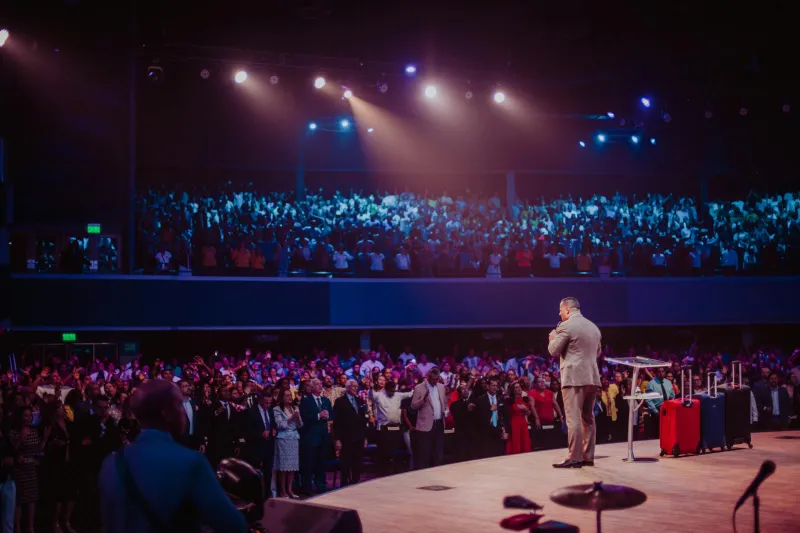
The Moment We All Stood Up
There was a time when a standing ovation meant something. It was the theatrical equivalent of a knighthood—rare, earned, and unmistakable in its significance. Today, visit any theatre, school hall, or community centre across Britain, and you'll witness the same ritual: audiences rising to their feet with the mechanical precision of a military parade, applauding with the enthusiasm of people fulfilling a social obligation rather than expressing genuine appreciation.
The standing ovation has become Britain's newest anxiety epidemic. We stand not because we're moved, but because we're terrified of being the sole person remaining seated—that conspicuous figure of apparent meanness in a sea of manufactured enthusiasm.
The Democracy of Mediocrity
This inflation of praise represents something more troubling than mere grade inflation or participation trophy culture. It signals the collapse of our collective ability to discriminate between the exceptional and the adequate. When a Year 3 class singing 'Away in a Manger' receives the same vertical response as Judi Dench delivering Lear, we've not democratised appreciation—we've devalued it entirely.
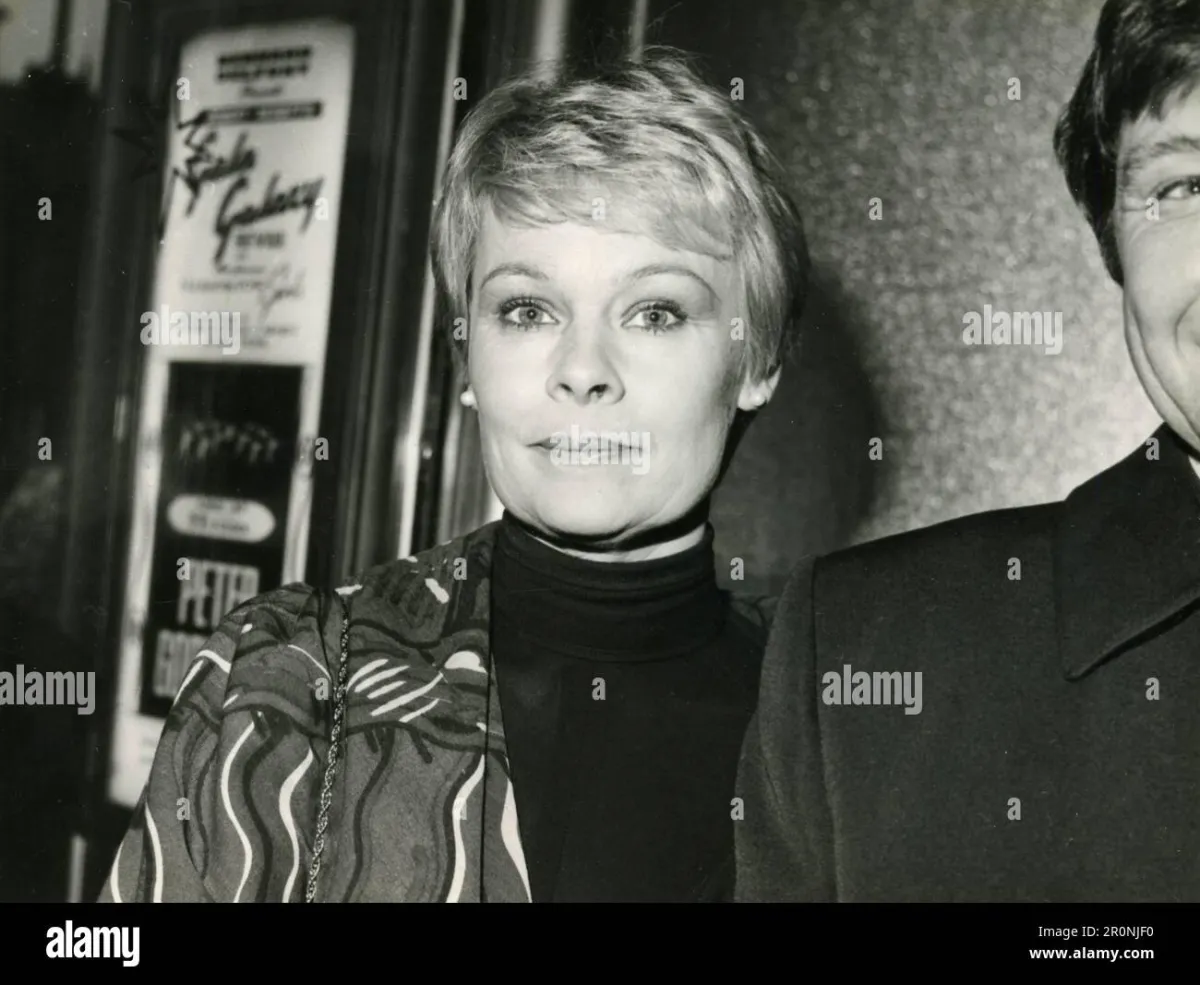 Photo: Judi Dench, via c8.alamy.com
The phenomenon has metastasised beyond professional theatre into every corner of British cultural life. Amateur dramatics societies, school concerts, even corporate presentations now conclude with audiences dutifully rising, applauding with the grim determination of people completing a civic duty. The standing ovation has become less about recognition and more about social camouflage—a way of blending into the crowd whilst appearing generous of spirit.
The Parental Arms Race
Perhaps nowhere is this more evident than in the school performance circuit, where parental competitive anxiety has transformed every nativity play into a miniature Royal Variety Performance. Parents stand not because little Timmy's portrayal of the donkey was particularly moving, but because remaining seated suggests a level of critical discernment that might be interpreted as cruelty.
This parental arms race has profound implications beyond the school hall. Children growing up in this environment of universal praise develop a skewed understanding of achievement and recognition. When every performance earns a standing ovation, how do they learn to distinguish between effort and excellence, between participation and mastery?
The Professional Theatre's Complicity
Meanwhile, professional theatre has become complicit in its own devaluation. West End productions that would once have received polite applause now routinely inspire vertical appreciation, not through improved quality but through audience conditioning. Theatre-goers arrive pre-programmed to stand, having absorbed the social expectation that anything less suggests philistinism.
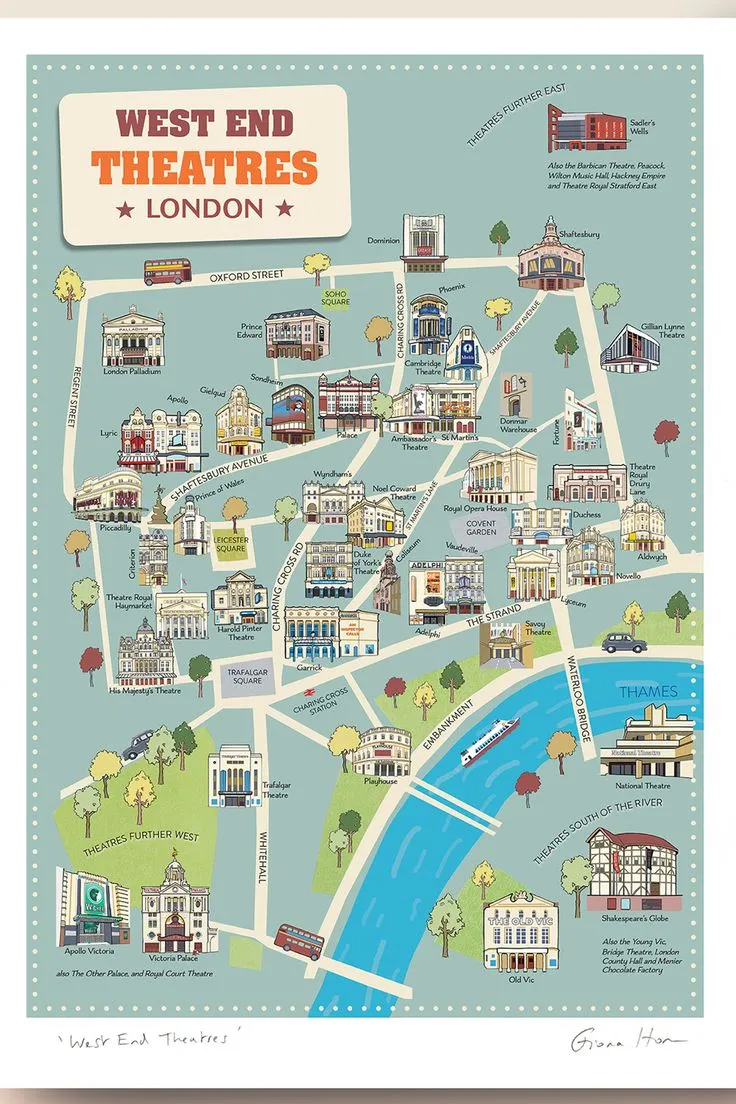 Photo: West End, via i.pinimg.com
This creates a peculiar feedback loop where performers, accustomed to standing ovations regardless of their effort or achievement, lose the motivation for genuine excellence. Why strive for transcendence when competence guarantees the same response?
The Cultural Consequences
The death of the meaningful standing ovation represents a broader cultural problem: our increasing inability to make qualitative judgements. In our rush to be inclusive and encouraging, we've accidentally eliminated the very mechanisms that signal and celebrate true achievement.
This isn't merely about theatre etiquette—it's about maintaining cultural standards in an age that mistakes criticism for cruelty and discernment for elitism. When we applaud everything equally, we applaud nothing meaningfully.
Reclaiming the Ovation
The solution isn't a return to Victorian severity, but rather the cultivation of what we might call 'appreciative literacy'—the ability to respond proportionally to what we've witnessed. This means accepting that polite applause isn't a form of cultural violence, but rather a honest acknowledgement that not every performance transcends the ordinary.
True cultural democracy doesn't require us to pretend that all artistic efforts are equally successful. Instead, it asks us to develop the sophistication to recognise genuine achievement when it occurs, and the courage to reserve our highest praise for those moments that truly deserve it.
Until we reclaim the standing ovation as a meaningful gesture rather than a social reflex, we risk living in a culture where excellence becomes indistinguishable from effort, and where the highest praise we can offer has been rendered meaningless through overuse.