Smith's Magazine Home

Category

Culture

47 articles


In Praise of Nothing Much: How Young Britons Made Dullness a Manifesto

In Praise of Nothing Much: How Young Britons Made Dullness a Manifesto

A generation raised on the relentless pressure to monetise their passions and perform their enthusiasm has discovered an unlikely form of resistance: the deliberate embrace of the unremarkable. From unglamorous allotments to beige sitting rooms and the studied appreciation of slow-drying cement, the aesthetics of mundanity have become, paradoxically, the most sophisticated cultural statement available to young Britons today.


The Grudge That Forgot Itself: Britain's Fading Appetite for a Proper Villain

The Grudge That Forgot Itself: Britain's Fading Appetite for a Proper Villain

Britain was once magnificently equipped for the long game of public disapproval — capable of sustaining a well-tended grudge across years, even decades, with a patience that bordered on the devotional. Something has gone wrong. The modern pile-on arrives at velocity, exhausts itself within a news cycle, and leaves behind not catharsis but a faint sense of anticlimax. We have lost the art of a convincing villain, and the consequences for our cultural life are stranger than one might expect.

The Compulsory Quip: How Being Funny Became Britain's Most Punishing Social Duty

The Compulsory Quip: How Being Funny Became Britain's Most Punishing Social Duty

For a nation that has exported its comedic sensibility to the world with considerable pride, Britain has developed a curious problem: humour has stopped being a gift and become an obligation. The expectation to be witty, self-deprecating, and perpetually amusing has curdled, for many, into a source of quiet dread — and beneath every well-timed quip lies an anxiety we rarely permit ourselves to name.

Speaking in Ellipses: The Sophisticated British Art of the Unfinished Thought

Speaking in Ellipses: The Sophisticated British Art of the Unfinished Thought

Britain has long cultivated a conversational style in which the most meaningful communication happens in the spaces between words. From the loaded pause to the artfully abandoned sentence, we have developed an entire social grammar built upon strategic omission — and it tells us rather more about ourselves than any completed thought ever could.

The Human Shelf: Why Britons Are Choosing Booksellers Over Algorithms

The Human Shelf: Why Britons Are Choosing Booksellers Over Algorithms

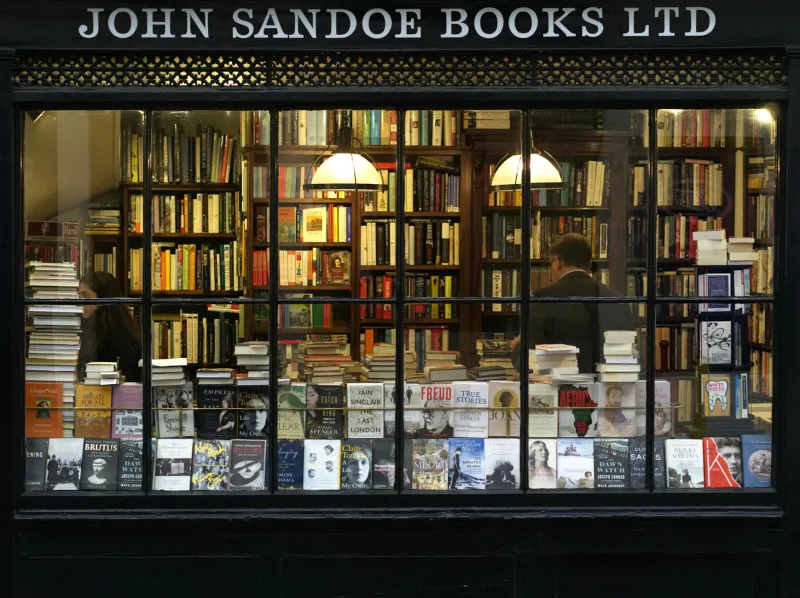
In an age when a global retail behemoth can predict your next read from seventeen data points, Britons are increasingly walking into their local independent bookshop and asking a stranger what they should think about next. This is not nostalgia. This is something more urgent, more intimate, and considerably more political.

The Aspirational Ruin: On Britain's Magnificent Talent for Starting Things

The Aspirational Ruin: On Britain's Magnificent Talent for Starting Things

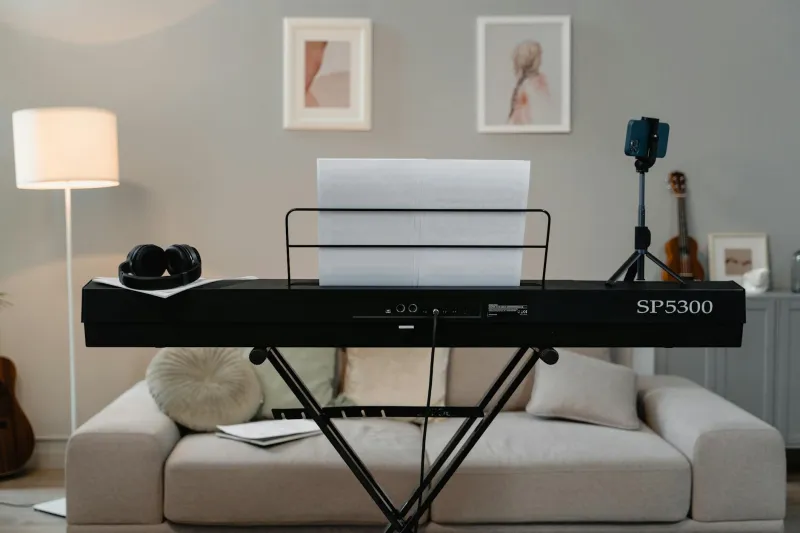
Somewhere in Britain right now, a sourdough starter is dying quietly in a fridge. Beside it, in a different home, a ukulele sits untuned in its case, next to a stack of Italian language workbooks abandoned at Unit Four. These objects are not failures. They are, if examined honestly, a portrait of who we are — and who, with remarkable persistence, we continue to believe we might become.

Passion as Punishment: How Britain's Artists Were Tricked Into Working for Free

Passion as Punishment: How Britain's Artists Were Tricked Into Working for Free

The romanticisation of the 'side hustle' has quietly reframed artistic poverty as a lifestyle choice, leaving Britain's creative class perpetually subsidising their own exploitation. Beneath the Instagram aesthetics of the portfolio career lies a more uncomfortable truth: that we have collectively agreed to treat creative labour as its own reward. This piece asks who benefits from that arrangement — and it is not the artist.

Greasepaint and Grief: How Britain's Am-Dram Rooms Became Our Most Honest Confessionals

Greasepaint and Grief: How Britain's Am-Dram Rooms Became Our Most Honest Confessionals

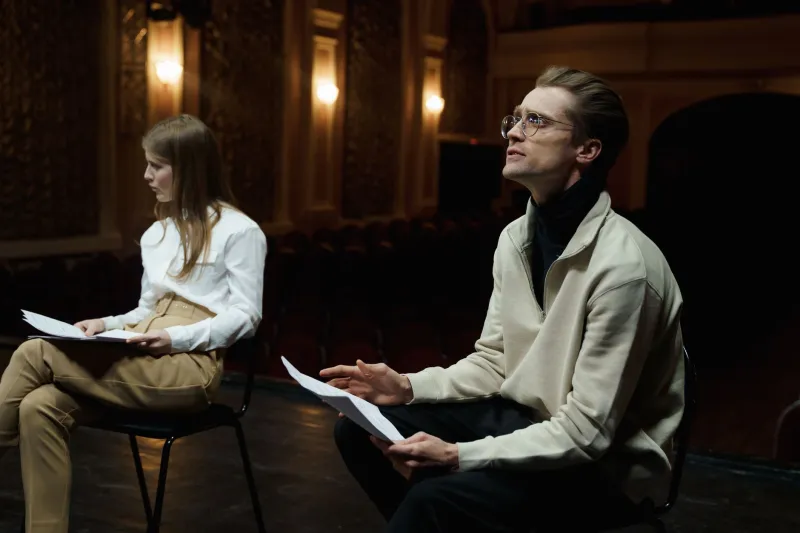
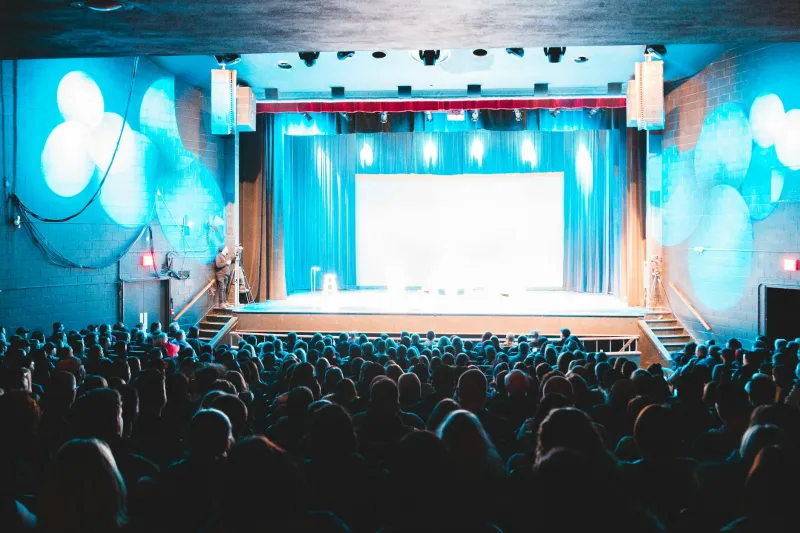
Across Britain's village halls and church annexes, something quietly extraordinary is unfolding on Tuesday evenings: middle-aged accountants are weeping through Chekhov, retired teachers are relishing their inner villainy, and nobody is calling it therapy — though everyone suspects that is precisely what it is. The amateur dramatics revival is less a story about theatre and more a story about a nation that has run out of other ways to feel things. Smith's Magazine considers what happens when the

The Price of the Pit: How Britain's Live Music Became a Members' Club in Disguise

The Price of the Pit: How Britain's Live Music Became a Members' Club in Disguise

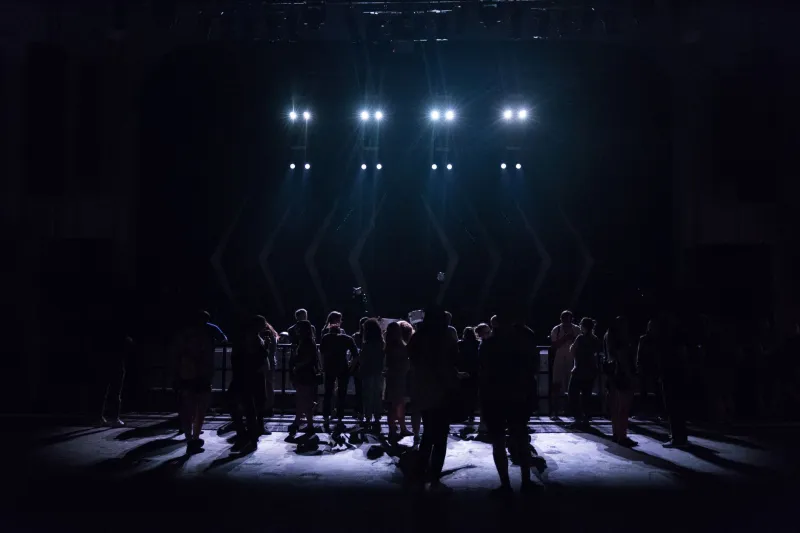
A standing ticket to see a mid-tier touring act at a British city venue now routinely costs more than a family's weekly grocery bill — and that is before the booking fee, the mandatory card charge, and the dynamic pricing surge applied because you hesitated for thirty seconds. Smith's Magazine traces how the live music industry's quiet transformation from democratic ritual to luxury experience has not merely priced out a generation, but has begun to hollow out the very cultural conditions that m

Hampers of Hope: The Peculiar British Ritual of Eating Outdoors Against All Odds

Hampers of Hope: The Peculiar British Ritual of Eating Outdoors Against All Odds

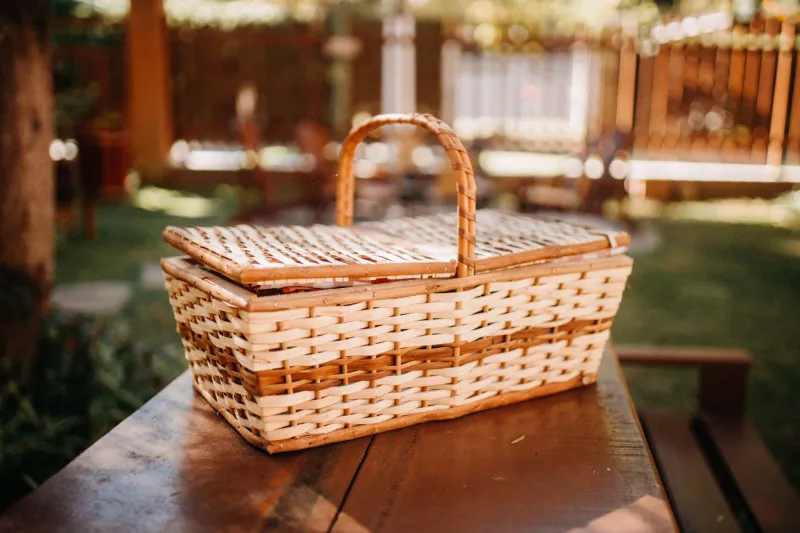
Every summer, Britons across the social spectrum drag elaborate provisions into fields that are almost certainly about to receive rain, enacting a pastoral fantasy that owes more to Merchant Ivory than meteorological reality. The picnic is not merely a meal; it is a statement of intent, a performance of the self, and a peculiarly English form of collective denial. What the wicker basket contains tells us rather less about our appetite than about our aspirations.

Services Rendered: How the Motorway Stop Became Britain's Most Democratic Room

Services Rendered: How the Motorway Stop Became Britain's Most Democratic Room

For decades, the motorway service station occupied a special place in the British imagination as a byword for joyless, overpriced, fluorescent-lit mediocrity. Something, however, has changed. The services have quietly reinvented themselves — and in doing so, they have produced one of the most unexpectedly honest social spaces in contemporary Britain. Where else, in this increasingly stratified nation, do a haulage driver, a family en route to a Center Parcs, and a management consultant all eat t

The Tyranny of the Infinite Queue: Why Britons Are Putting Themselves Back on Schedule

The Tyranny of the Infinite Queue: Why Britons Are Putting Themselves Back on Schedule

Across Britain, a quietly radical act is taking place: people are deliberately constraining their viewing choices, pencilling specific programmes into specific evenings, and rediscovering the forgotten pleasure of having something to look forward to. In an age of infinite content and paralysing freedom, the self-imposed schedule has become an unlikely form of liberation.

The Pause That Refreshes: How the Great British Interval Became a Cultural Lifeline

The Pause That Refreshes: How the Great British Interval Became a Cultural Lifeline

Britain's theatres, concert halls, and even a handful of its cinemas are rediscovering the interval — that apparently antiquated ritual of warm Chardonnay and half-heard opinions — as an antidote to the unbroken consumption that defines contemporary cultural life. In defending the intermission against the tyranny of seamless experience, our cultural venues may be doing something more important than they realise.

Ink and Instinct: The Quiet Return of the Physical Newspaper

Ink and Instinct: The Quiet Return of the Physical Newspaper

Something unexpected is happening in Britain's coffee shops and morning commutes. Young professionals — the very generation presumed to have buried print journalism — are reaching for broadsheets and tabloids with a deliberateness that feels almost political. What does this quiet, tactile rebellion against the scroll reveal about our increasingly complicated relationship with digital information?

When Applause Lost Its Meaning: Britain's Standing Ovation Crisis

When Applause Lost Its Meaning: Britain's Standing Ovation Crisis

From school nativity plays to West End mediocrity, every performance now receives a standing ovation. This relentless democratisation of praise has quietly destroyed one of culture's most powerful signals, leaving genuine excellence with nowhere left to ascend.

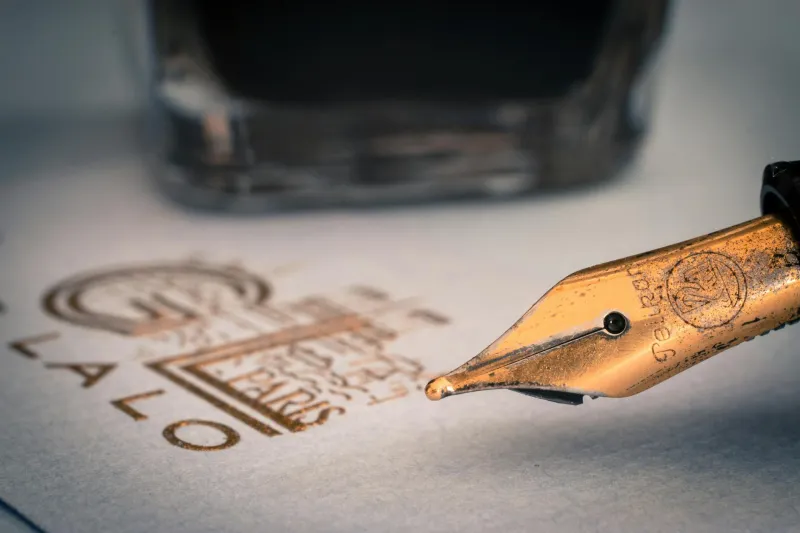
The Lost Intimacy of Ink: Why Britain Stopped Writing Letters

The Lost Intimacy of Ink: Why Britain Stopped Writing Letters

A generation that has never written a personal letter by hand now romanticises correspondence from the safe distance of artisanal stationery shops. What we've truly lost isn't just penmanship, but an entire mode of thinking that WhatsApp was never designed to replace.

Against the Everything Machine: Britain's Quiet Rebellion Through Single-Purpose Objects

Against the Everything Machine: Britain's Quiet Rebellion Through Single-Purpose Objects

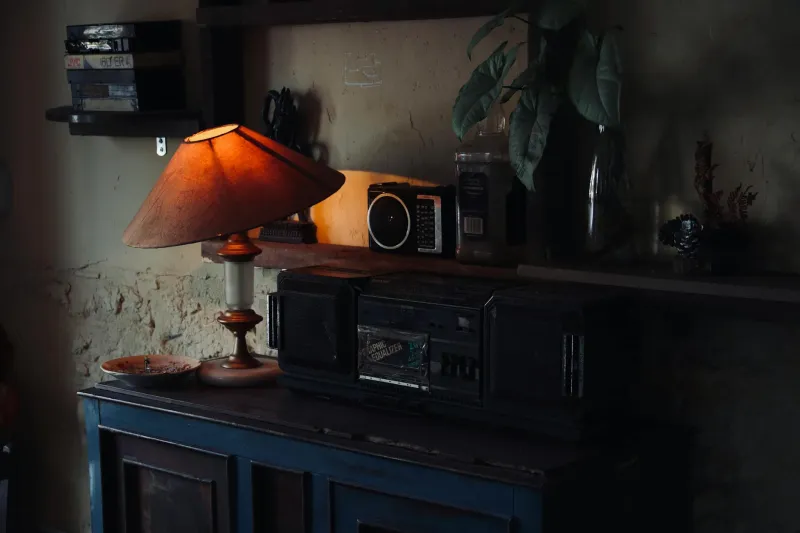
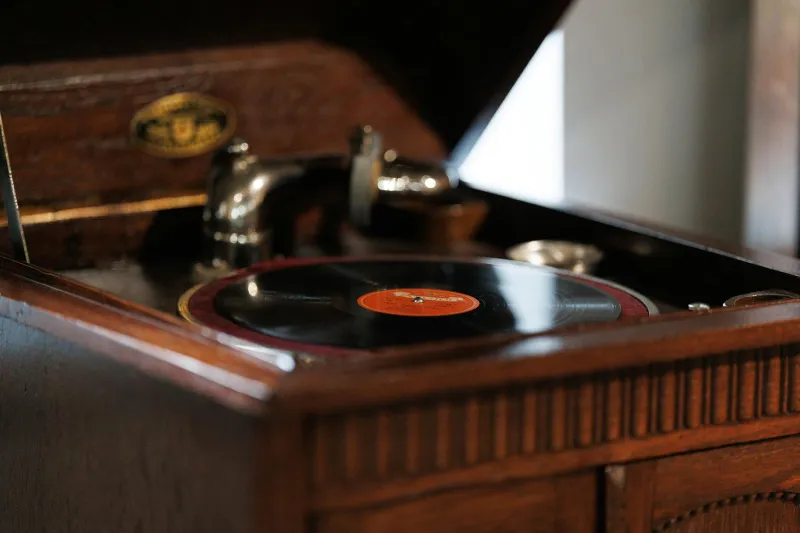
From vinyl record players to mechanical typewriters, a growing movement of Britons is rejecting the smartphone's promise of infinite capability in favour of objects that do precisely one thing well. This cultural shift reveals something profound about our relationship with attention, craftsmanship, and the value of limitation in an age of endless possibility.

The Museum of Missed Occasions: Britain's Perpetual Preparation for Life

The Museum of Missed Occasions: Britain's Perpetual Preparation for Life

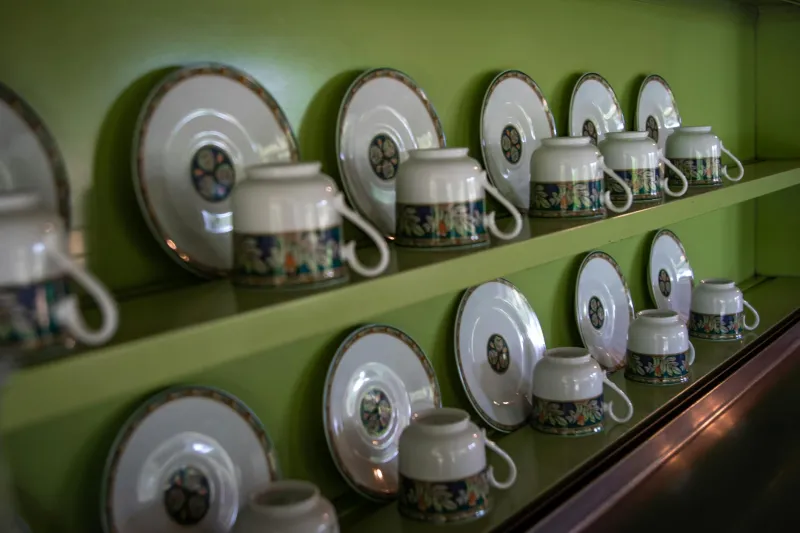
In homes across Britain, elaborate collections of finest china, formal wear, and inherited silverware wait eternally for occasions deemed worthy of their use. This peculiar national habit of saving the best for later reveals deep truths about class, aspiration, and our complex relationship with the idea that everyday life might itself deserve celebration.

Flour Power: When Britain's Bread Renaissance Became Performance Art

Flour Power: When Britain's Bread Renaissance Became Performance Art

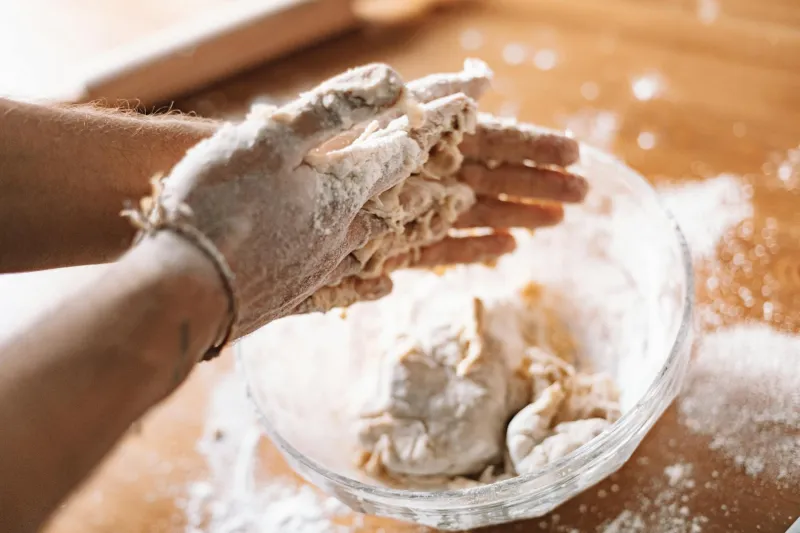
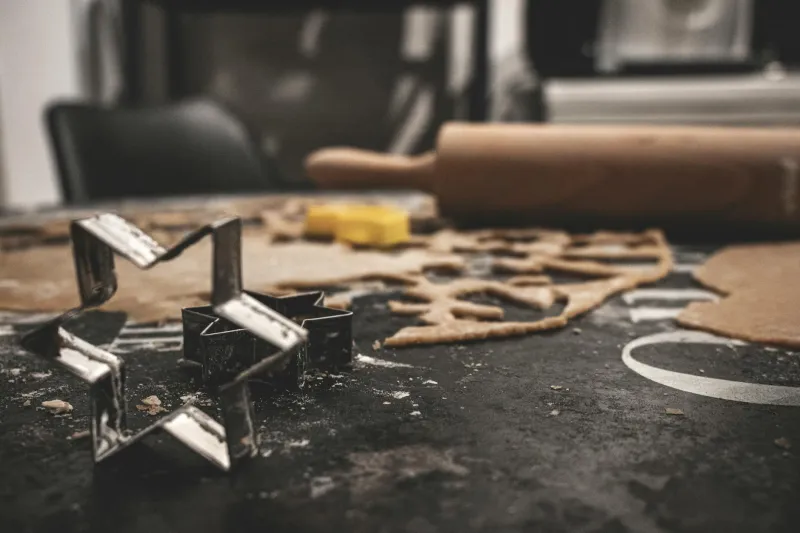
The pandemic turned millions of Britons into amateur bakers, but somewhere between wild yeast cultivation and £12 loaves, artisan bread-making evolved from necessity into spectacle. What happens when an ancient craft becomes another arena for middle-class competition?

The Lost Art of Watching: How Britain's Theatre Audiences Forgot the Social Contract

The Lost Art of Watching: How Britain's Theatre Audiences Forgot the Social Contract

From glowing screens in the darkness to the rustle of sweet wrappers during soliloquies, British theatre audiences have quietly abandoned the unwritten rules that once made live performance a shared ritual. The question is whether this represents democratic accessibility or the erosion of something precious and irreplaceable.

Refresh, Repeat, Regret: Britain's Annual Festival Ticket Hysteria

Refresh, Repeat, Regret: Britain's Annual Festival Ticket Hysteria

Each spring, millions of Britons participate in a digital blood sport disguised as commerce: the festival ticket sale. What began as simple purchasing has evolved into a ritualistic performance of desire, disappointment, and the curious solidarity found in collective failure.

From Kitchen to Screen: Britain's Love Affair with Vicarious Creativity

From Kitchen to Screen: Britain's Love Affair with Vicarious Creativity

As millions tune in to watch others knead, stitch, and sculpt, Britain has quietly transformed from a nation of makers into one of watchers. The rise of competitive craft programming reveals a troubling shift in how we experience creativity—through screens rather than our own hands.

Spinning Out of Control: The Commodification of Britain's Musical Soul

Spinning Out of Control: The Commodification of Britain's Musical Soul

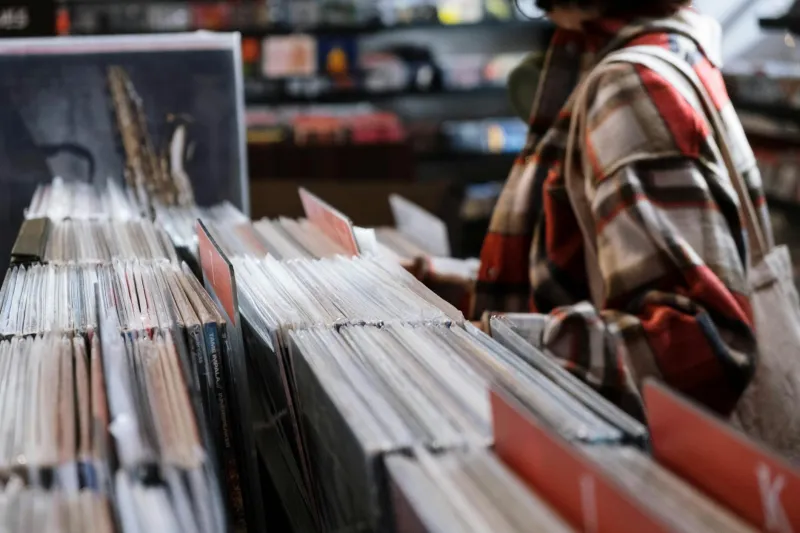
The resurrection of vinyl and independent record shops was supposed to herald a return to authentic musical discovery. Instead, it has birthed a cultural paradox where the very spaces that once democratised music have become exclusive temples to middle-class nostalgia.

Pint-Sized Rebellion: When Britain's Craft Beer Dreams Met Corporate Reality

Pint-Sized Rebellion: When Britain's Craft Beer Dreams Met Corporate Reality

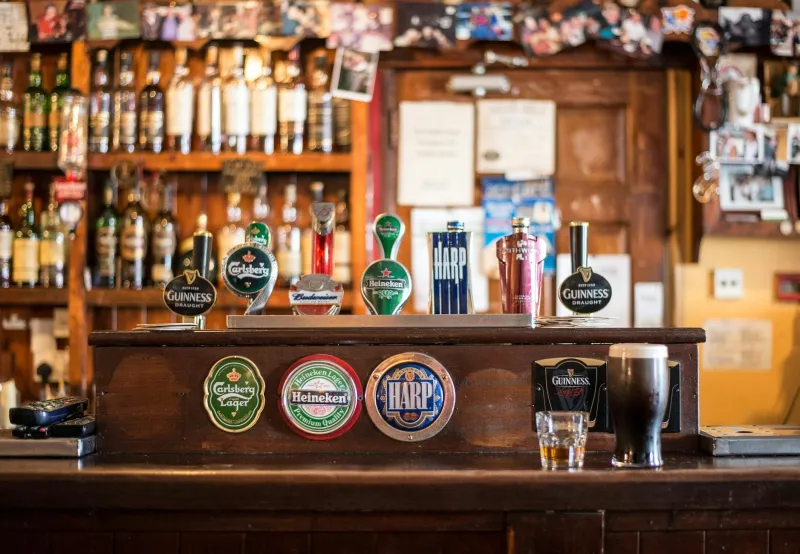
What began as a grassroots movement brewing hope in converted railway arches has transformed into another chapter in Britain's ongoing narrative of authentic culture being packaged and sold back to us. The craft beer revolution that promised to liberate our palates from industrial lager has itself become industrialised, leaving drinkers to question what independence truly means in a pint glass.